
Find the right 3.5 m³ self-loading mixer to meet your village housing project needs, producing 70–90 m³ of concrete daily with an 8-person workforce.
Which 3.5 m³ Self-Loading Mixer is Suitable for Producing 70–90 m³/Day Concrete for Village Housing Projects with 8 Workers?
In many rural housing projects across Indonesia, contractors face a common challenge: how to produce enough concrete every day with a small workforce while keeping costs under control. For village housing projects, the daily demand often falls between 70–90 m³ of concrete. This amount may sound small compared to large urban projects, but in a rural setting, it can be difficult to achieve consistently. A practical solution that many contractors consider is the 3.5 m³ concrete mixer self loading. But the key question remains—can it truly meet the requirements of such projects when only 8 workers are available on site?
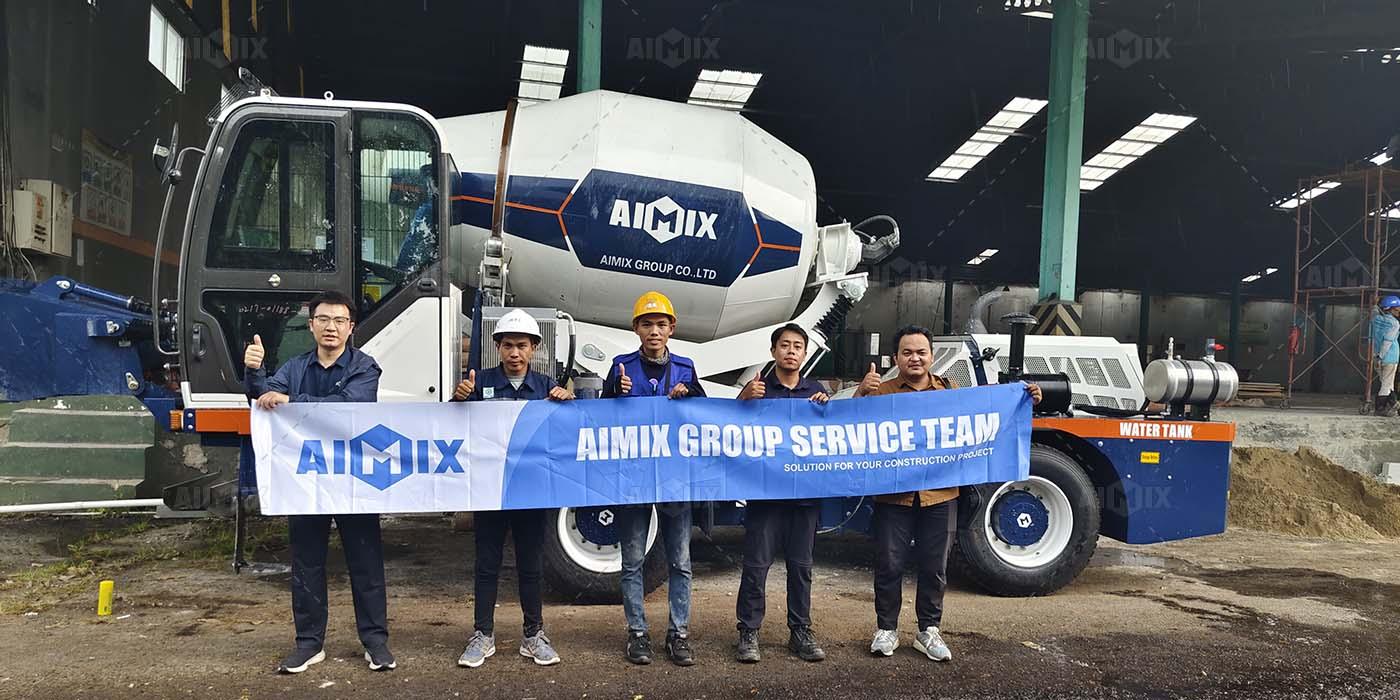
Why a 3.5 m³ Self-Loading Mixer Fits Village Housing Needs
To understand why a 3.5 m³ self loading mixer for sale makes sense, let’s look at the balance between capacity and daily output. A single batch from this machine delivers 3.5 m³ of ready concrete. If the mixer completes 20–25 cycles in one day, it can produce 70–90 m³ of concrete, which matches the demand for village housing. Compared with traditional mixers and manual loading, this saves both labor and time.
Another factor is mobility. Village projects are often scattered across narrow roads, making it hard to transport concrete from a central batching plant. A self-loading mixer can move directly to the site, load materials itself, and discharge concrete where it is needed. This means fewer trucks, fewer delays, and better flexibility in planning daily work.
How 8 Workers Can Operate Efficiently with the Mixer
Some contractors worry that 8 workers may not be enough to handle the workload. In practice, the design of the self-loading mixer reduces manpower needs. The operator manages loading, mixing, and discharging with a single cabin control. Other workers only need to handle material supply, site preparation, and concrete placement. This division of labor allows one machine to keep the entire team productive throughout the day.
For example, if two workers focus on preparing cement bags and aggregates, two workers handle water and additives, while three or four workers pour and finish the concrete, the process becomes smooth. The self-loading mixer replaces multiple separate machines, so fewer workers are required to achieve the same daily target. As a result, the team of 8 can handle 70–90 m³ output without stress.
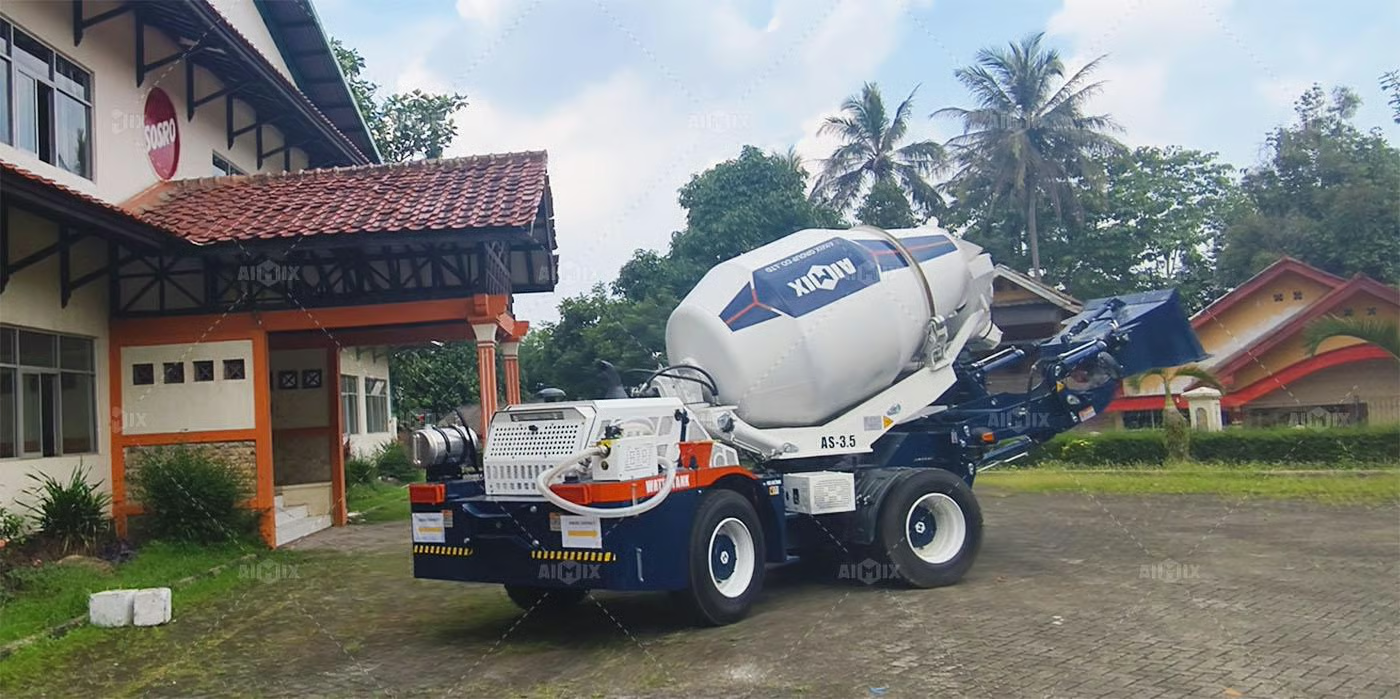
Cost and Productivity Advantages for Rural Projects
Concrete cost control is always a priority in rural housing. Hiring ready-mix trucks for small-scale projects is often too expensive due to transportation fees. On the other hand, buying and operating a small batching plant terdekat may not be realistic because of limited budgets and space. A 3.5 m³ self-loading mixer provides a middle path. It keeps production on site, reduces material waste, and minimizes transport costs.
From a productivity point of view, this machine also improves consistency. Each batch is measured and mixed automatically, which ensures the right water–cement ratio. That means the concrete quality is more reliable compared with hand mixing. For housing projects, where structural safety and durability matter, this consistency adds value for both the contractor and the future homeowners.
Practical Example: Daily Work Cycle
To visualize how this works, imagine a typical day. The mixer starts at 8 a.m., producing the first batch within 15 minutes. By mid-morning, 5–6 cycles are already complete. Workers pour the slabs and walls while the mixer continues running. After a lunch break, another 10–12 cycles are completed in the afternoon. By the end of the day, the site has received 70–90 m³ of fresh concrete, matching the daily target.
This cycle shows how the self-loading mixer balances speed and practicality. With careful scheduling, the small team of 8 can handle multiple house units under construction at the same time.
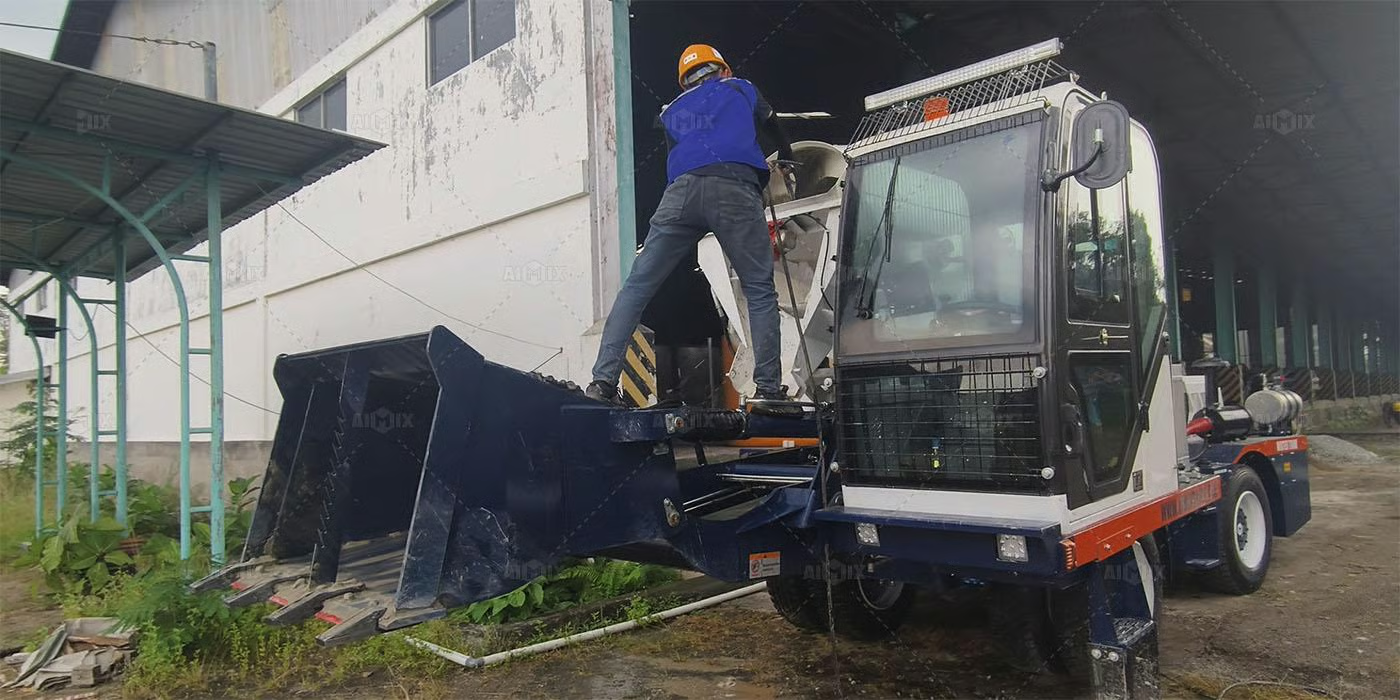
Transitioning Toward Reliable Housing Delivery
Village housing projects often run on tight deadlines. Delays in concrete supply can slow down brickwork, roofing, and finishing stages. By using a 3.5 m³ self-loading mixer, contractors reduce dependence on outside suppliers and control their pace of work better. This independence is especially useful in rural areas where logistics challenges are common.
Key Benefits Summarized
70–90 m³/day output achievable with 20–25 cycles.
Operates smoothly with only 8 workers on site.
Lower cost compared to batching plant or ready-mix trucks.
High mobility for scattered village projects.
Consistent concrete quality with automated mixing.
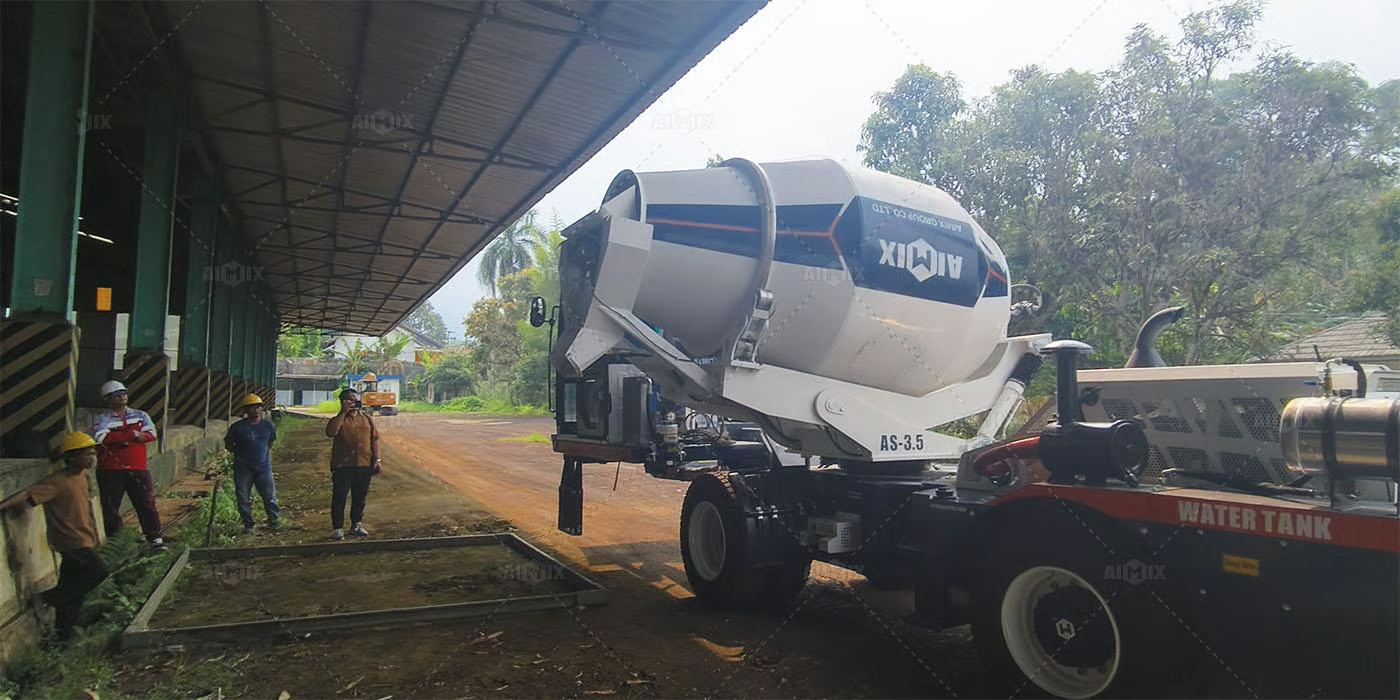
Conclusion: Why Choose AIMIX 3.5 m³ Self-Loading Mixer
If you are planning village housing projects and need to balance daily output with limited labor, the AIMIX 3.5 m³ self-loading mixer is a proven solution. It combines loading, mixing, and transporting in one machine, helping small teams achieve consistent results every day. More importantly, it gives contractors control over cost, schedule, and quality without depending on external suppliers.
At AIMIX, we understand the unique challenges of rural construction in Indonesia. That is why we provide reliable self-loading mixers with local service support, spare parts, and on-site guidance from our engineers. If you want a solution that matches both your budget and your project needs, our 3.5 m³ self-loading mixer is the right choice.
Contact us today to discuss your project requirements and discover how AIMIX can help you build better housing for local communities with the right concrete solution.
self loading concrete mixer Indonesia
Articles similaires

What Is The Best Mobile Crushing Plant Solution For Remote Island Projects In Indonesia?
Remote island projects in Indonesia face high logistics and material challenges. Learn the best mobile crushing plant solutions for efficient on-site aggregate production, lower costs, and reliable performance in remote and difficult conditions.


