
Looking for an asphalt mixing plant that can produce 400 tonnes of hot mix asphalt per day in Indonesia? Discover the best 40–60 TPH models for your road projects.
What TPH Asphalt Mixing Plant Can Meet 400 Tonnes/Day Hot Mix Asphalt Production Demand in Indonesia?
In Indonesia, many road contractors, construction companies, and asphalt suppliers often face a common question before investing in a plant: What capacity of asphalt mixing plant is suitable for producing about 400 tonnes of hot mix asphalt per day? The answer depends on several real project conditions—working hours, production efficiency, fuel type, and mix requirements. Let’s break down how to make the right choice about amp aspal step by step.
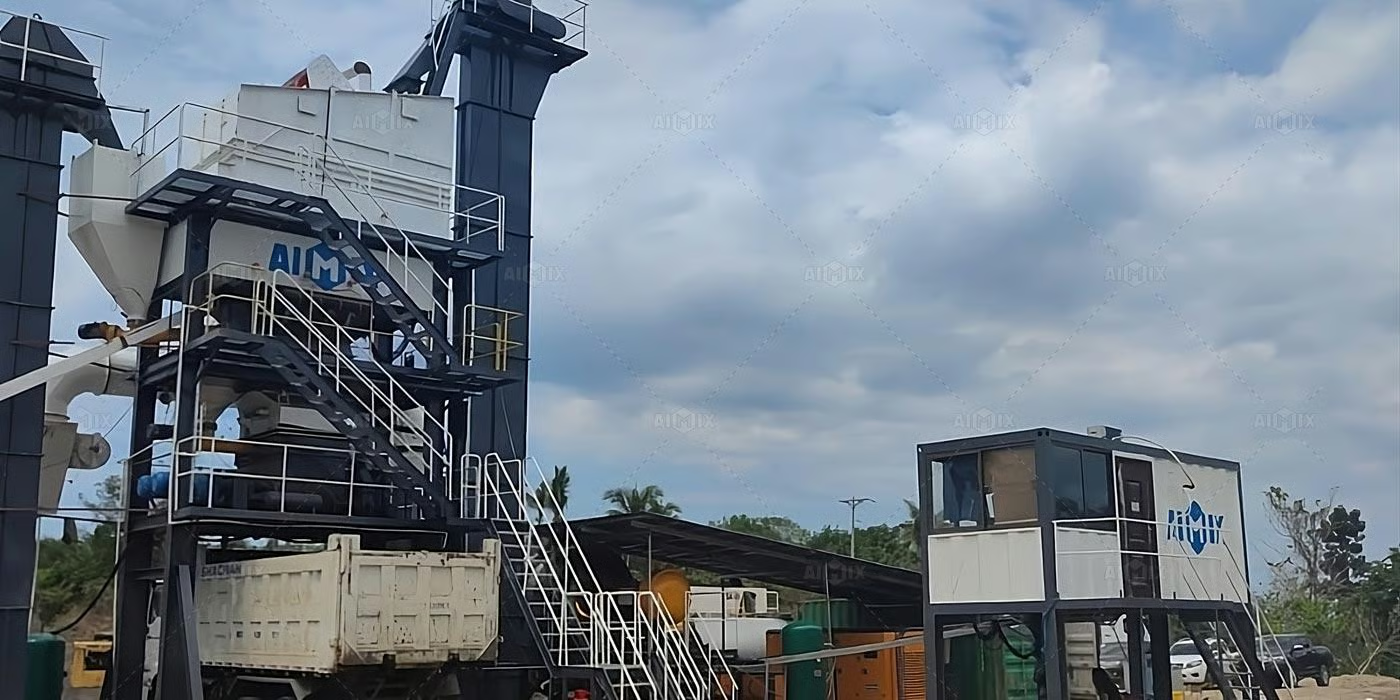
Understanding Your Daily Asphalt Production Needs
To start, let’s turn the daily demand into an hourly figure. If your target is 400 tonnes per day and your plant works about 8 hours per day, you’ll need a plant that can produce around 50 tonnes per hour (TPH). But if your operation runs 10–12 hours per day, then a 40 TPH hot mix plant could already be enough. This calculation helps narrow your options before comparing different models.
However, production rate is not the only factor. The actual efficiency of your asphalt plant also depends on aggregate moisture, mix temperature, and bitumen heating time. That’s why choosing a slightly higher capacity plant than your theoretical need often makes your production more stable and flexible.
Which Asphalt Mixing Plant Model Fits a 400 T/Day Demand?
In most Indonesian road projects, plants with capacities between 40–60 TPH are ideal for producing around 400 tonnes of asphalt per day. Let’s look at both types in more detail.
40–50 TPH Drum Mix Asphalt Plant
This type of plant is suitable for small to medium road construction projects in rural or provincial areas. A 40 TPH drum mix plant can easily produce about 320–400 tonnes of asphalt per day if operated for 8–10 hours continuously. It’s simple to operate, quick to install, and requires less maintenance compared to a batch mix plant.
For contractors who mainly supply local municipal roads or small private projects, this option provides a great balance between cost and output. Moreover, the compact design makes it easy to relocate from one site to another, saving transportation and setup time.
60 TPH Batch Type Asphalt Mixing Plant
If you need more precise mix quality or plan to serve multiple clients with different mix formulas, a 60 TPH batch asphalt plant could be more suitable. Operating this plant for 7–8 hours can easily meet a 400-tonne daily target, while giving you more control over each batch’s composition.
Batch plants are especially preferred for urban road maintenance, airport runways, and highway surfacing projects that require higher standards. Although initial investment is slightly higher, the consistent mix quality and adjustable production make it a smart long-term choice for growing contractors.
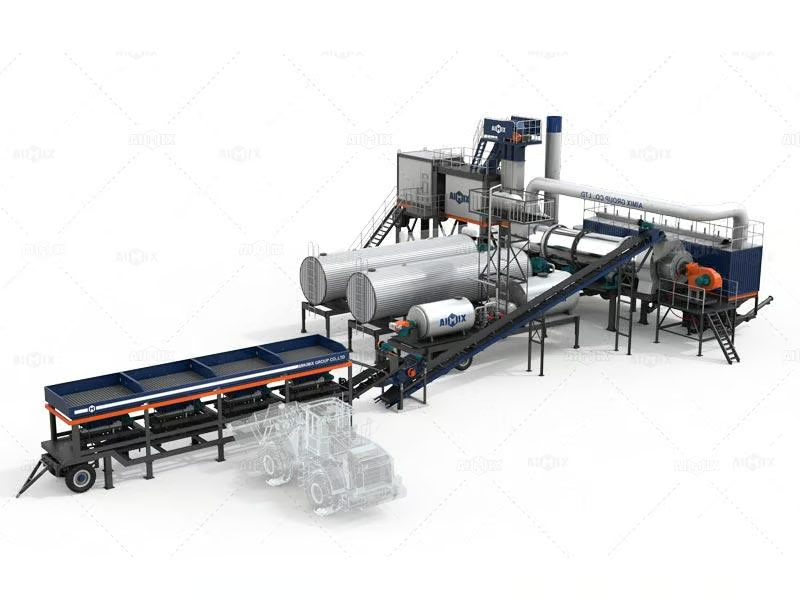
How to Choose Between Drum and Batch Plants
Once you know your target production and project type, the next step is to decide between a drum mix and batch mix plant. The choice depends on your business model and quality requirements.
If your goal is to produce asphalt quickly at a low cost, the drum mix plant is a better option. It continuously mixes aggregates and bitumen, so it consumes less fuel and offers a lower cost per tonne. On the other hand, if your customers demand customized asphalt grades or stricter quality control, the batch mix plant will bring more advantages.
In Indonesia, many contractors start with a drum mix type and later upgrade to a batch type as their project scale or client base expands. This flexible approach helps control investment risk while ensuring steady project growth.
Other Factors That Influence Plant Selection
Besides production capacity, you should also consider a few practical aspects that affect your operation efficiency:
Fuel Type: Diesel, coal, or natural gas—choose what’s easily available in your region to reduce operating costs.
Electricity Supply: Some rural areas in Indonesia face unstable power, so a diesel burner or generator-powered model is often necessary.
Mobility: If your projects are scattered, a portable asphalt mixing plant can save you a lot of time in transportation and installation.
After-sales Service: Make sure your supplier provides local technical support and spare parts in Indonesia for smooth, long-term operation.
Considering these factors ensures that your chosen asphalt plant not only meets daily production targets but also delivers reliability and cost efficiency in the long run.
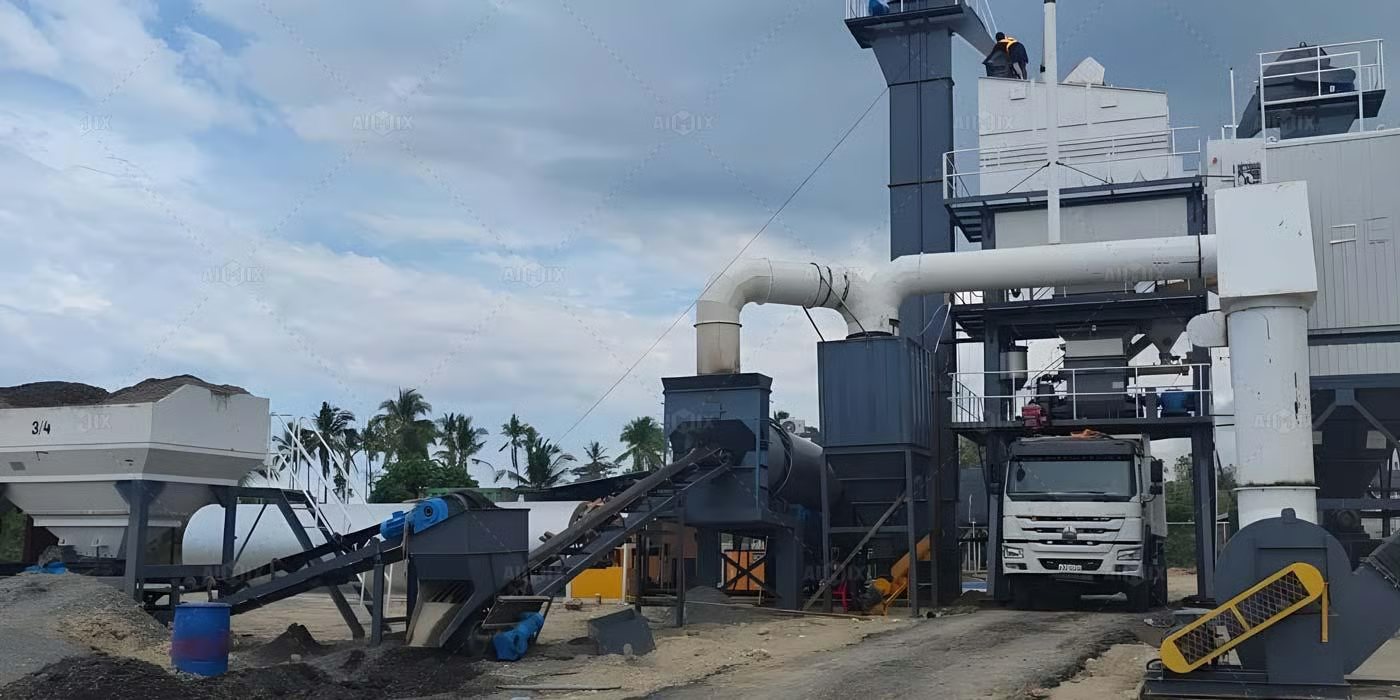
Practical Recommendation for 400 T/Day Asphalt Production
Based on real construction experience, here’s a simple guideline:
If your projects are small to medium and mostly rural → 40–50 TPH drum mix asphalt plant.
If your projects require high-quality asphalt for highways or city roads → 60 TPH batch asphalt mixing plant.
Both types can reach around 400 tonnes/day output with proper operation hours. Choosing the right model mainly depends on your long-term project type, fuel availability, and quality requirements.
Conclusion: Invest in the Right Capacity, Not Just the Biggest Plant
Many Indonesian buyers tend to think that a bigger asphalt plant is always better. In reality, a well-selected 40–60 TPH asphalt plant can already produce enough mix for 400 tonnes per day while saving cost, space, and energy. The key is to match your daily workload, project scale, and local conditions.
Need Expert Advice?
If you’re planning to set up an asphalt mixing plant in Indonesia, I can help you choose the right capacity, layout, and model based on your actual working environment. With local service teams and warehouses in Indonesia, we can offer on-site installation, spare parts, and maintenance support to ensure your plant operates smoothly from day one.
Contact me today to get a practical recommendation and quotation for your ideal asphalt mixing plant that can easily meet your 400 tonnes/day production goal.
Indonesia Asphalt Mixing Plant
Articles similaires

What Is The Best Mobile Crushing Plant Solution For Remote Island Projects In Indonesia?
Remote island projects in Indonesia face high logistics and material challenges. Learn the best mobile crushing plant solutions for efficient on-site aggregate production, lower costs, and reliable performance in remote and difficult conditions.


