
Learn how to configure a 250 TPH rock crusher plant for limestone, producing 0–25 mm aggregates effectively. Enhance your crushing operations today!
What’s the Ideal Crusher Configuration for a 250 TPH Rock Crusher Plant Crushing Limestone into 0–25 mm Aggregates?
When planning to set up a 250 TPH limestone crushing plant, one of the first questions every project manager faces is how to choose the ideal configuration. The goal is simple: produce 0–25 mm aggregates efficiently and consistently, while keeping operating costs low. However, the right solution depends on raw material hardness, moisture, site layout, and end-use requirements. In this post, I’ll walk you through how I would design and configure such a rock crushing machine from a practical, field-based perspective.
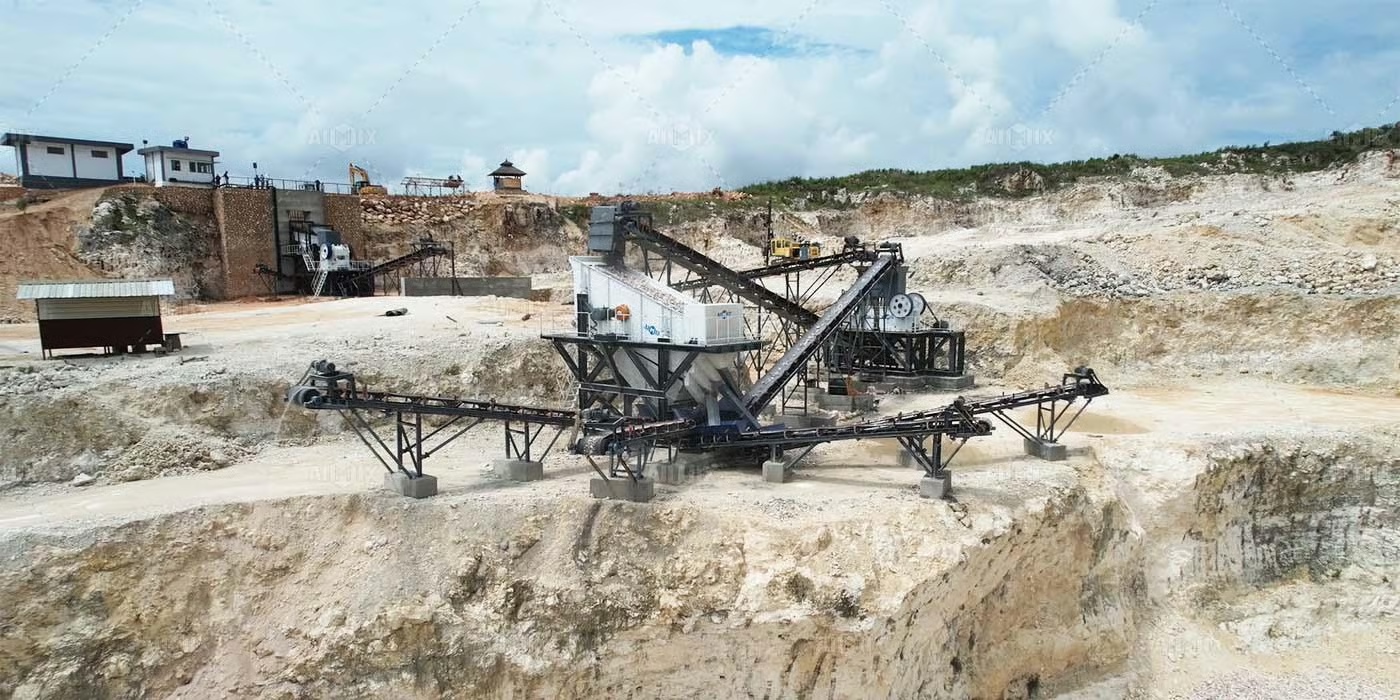
Understanding Your Limestone and Final Product Requirements
Every crushing solution starts with a clear understanding of the material. Limestone is typically a medium-hard rock, easier to crush than granite or basalt, but it can vary in density and moisture. Knowing your limestone type helps decide the right primary and secondary crushers. Likewise, defining the desired output size—0–25 mm in this case—helps determine how many crushing stages you’ll need.
For road base, ready-mix concrete, or asphalt production, this particle size range is ideal. The aggregates need to be clean, well-shaped, and uniform to ensure strength and workability. This requirement influences both the crusher selection and the screening setup.
Recommended Crusher Configuration for a 250 TPH Limestone Plant
To achieve 250 tons per hour of 0–25 mm limestone, a typical setup includes three main stages: primary crushing, secondary crushing, and screening. Each stage plays a specific role in achieving the right gradation and quality of aggregates.
1. Primary Crushing: Jaw Crusher
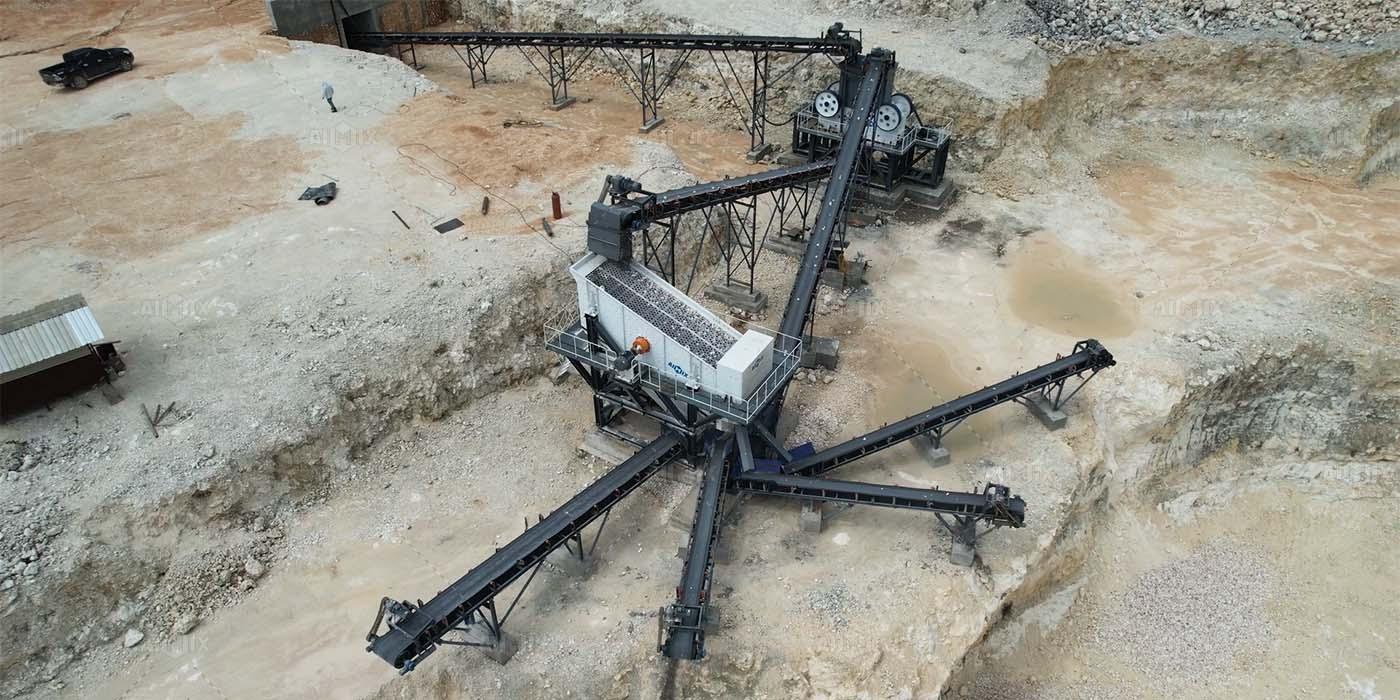
I recommend a PE750×1060 jaw crusher for sale for the primary stage. It handles feed sizes up to 600–700 mm and delivers around 120–150 mm output. The jaw crusher is simple, robust, and reliable for limestone. Its wide opening and powerful crushing force make it ideal for breaking down large rocks efficiently. To ensure continuous feeding, a vibrating feeder with adjustable speed helps control the material flow to the jaw crusher.
2. Secondary Crushing: Cone Crusher
For the next stage, a spring or hydraulic cone crusher (such as PSG1300 or HPC220) works best. The cone crusher refines the 120–150 mm output from the jaw crusher down to around 25 mm. It ensures consistent particle size and better shape, which is crucial when producing premium-grade aggregates for concrete or asphalt. This stage defines the final quality, so selecting a cone crusher with stable performance and easy adjustment is essential.
3. Screening and Shaping
After secondary crushing, materials pass through a vibrating screen to separate different sizes. A three-layer 3YK2460 screen can efficiently classify 0–5 mm, 5–15 mm, and 15–25 mm fractions. Oversized particles can be sent back to the cone crusher for re-crushing, creating a closed-loop system that ensures uniform final output. If you need higher particle quality, adding a vertical shaft impact crusher (VSI) for shaping can further enhance the cubicity of the aggregates.
Balancing Efficiency, Maintenance, and Cost
Choosing the mesin crusher ideal configuration is not only about output capacity. It’s about balancing efficiency with maintenance and cost. Jaw and cone crushers require regular liner replacement, while VSI units consume more energy but offer superior shaping. To control costs, it’s important to match crusher capacity with production goals. Over-sizing equipment increases investment, while under-sizing causes bottlenecks and higher wear rates.
In my experience, adding a dust suppression system and belt conveyor with proper sealing also improves efficiency and reduces maintenance downtime. Efficient screening and recycling reduce waste and energy consumption. Every element in the plant—from feeders to conveyors—plays a role in the overall productivity.
Practical Example: 250 TPH Limestone Plant Layout
Let’s take a practical layout example for clarity:
Vibrating Feeder ZSW380×96
Jaw Crusher PE750×1060
Cone Crusher PSG1300
Vibrating Screen 3YK2460
Conveyor Belts and Control System
This setup produces 0–25 mm limestone aggregates suitable for road base, ready-mix concrete, and asphalt applications. It’s compact, easy to install, and optimized for medium-hard materials. When properly calibrated, it can deliver steady output for long hours with minimal downtime.
Why Customized Design Matters
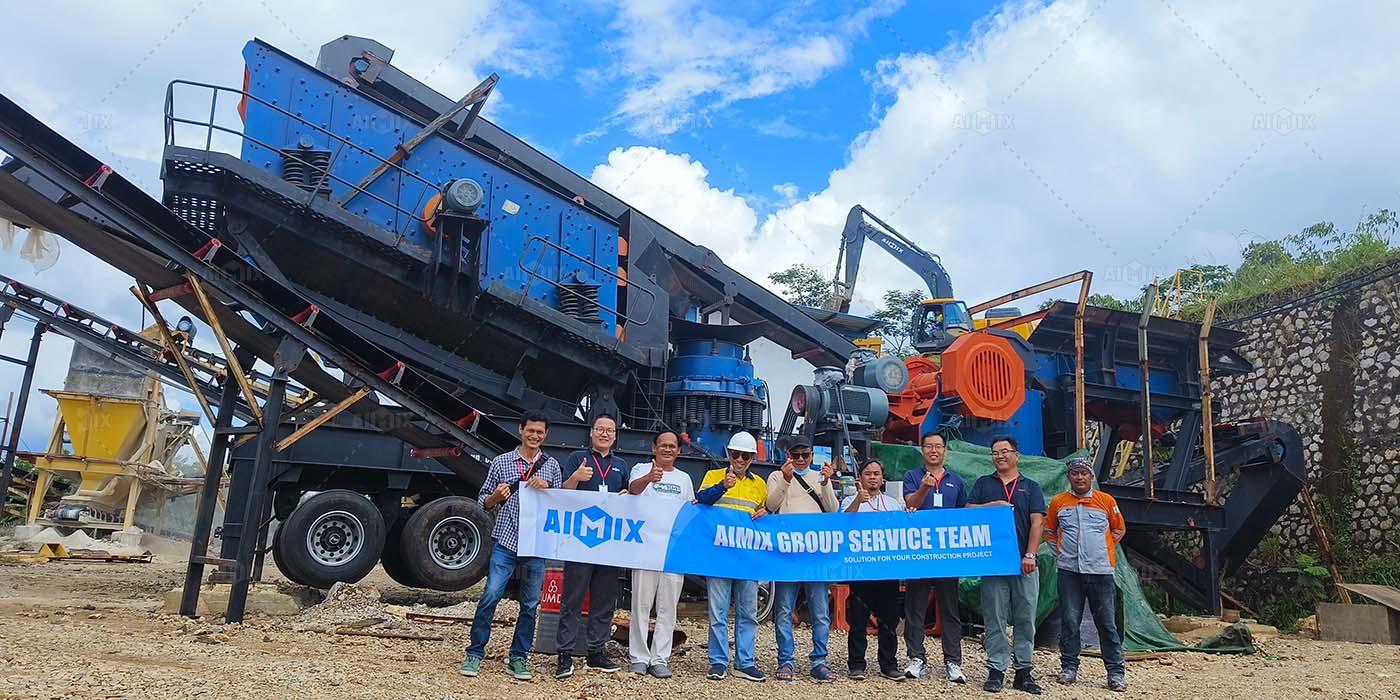
No two projects are identical. The geological conditions, land space, and production goals vary from site to site. That’s why I always recommend customizing your crushing plant configuration. A well-tailored design maximizes equipment lifespan and energy efficiency while keeping the final product quality consistent. Choosing the right layout also simplifies maintenance and improves accessibility for operators.
Conclusion: Build a Reliable Limestone Crushing Solution
A 250 TPH limestone crushing plant can deliver excellent performance when the configuration matches the project needs. By combining a jaw crusher for primary crushing, a cone crusher for secondary crushing, and a well-calibrated screening system, you can achieve consistent 0–25 mm output with stable quality.
If you’re planning to build or upgrade your crushing plant, I can help design a customized 250 TPH solution that fits your material, production goals, and budget. With local engineering support and practical experience from various limestone projects in Indonesia, I ensure every setup delivers long-term performance and reliability.
Contact me today to discuss your project requirements and get a tailored layout for your 250 TPH limestone crushing plant.
Articles similaires

What Is The Best Mobile Crushing Plant Solution For Remote Island Projects In Indonesia?
Remote island projects in Indonesia face high logistics and material challenges. Learn the best mobile crushing plant solutions for efficient on-site aggregate production, lower costs, and reliable performance in remote and difficult conditions.


