Understand the difference between asphalt batch plant and drum mix plant, including production methods, cost, flexibility, and project suitability, to choose the right asphalt solution for your construction needs.
What Is The Difference Between Asphalt Batch Plant And Drum Mix Plant?
When you plan to invest in an asphalt plant, one question often comes first: what is the difference between asphalt batch plant and drum mix plant? This is not just a technical comparison. It directly affects your project quality, cost control, production efficiency, and long-term profitability.
Many contractors, government project managers, and private investors face this choice when preparing for highway construction, municipal roads, airport runways, or industrial park paving. Therefore, understanding the real differences between these two types of hot mix asphalt plants helps you make a confident and informed decision.
In this article, we will clearly explain how asphalt batch plants and drum mix plants work, where they perform best, and how you can choose the right solution based on your project goals.

Understanding Asphalt Batch Plant
Before comparing both systems, let us first understand what an asphalt batch plant actually is.
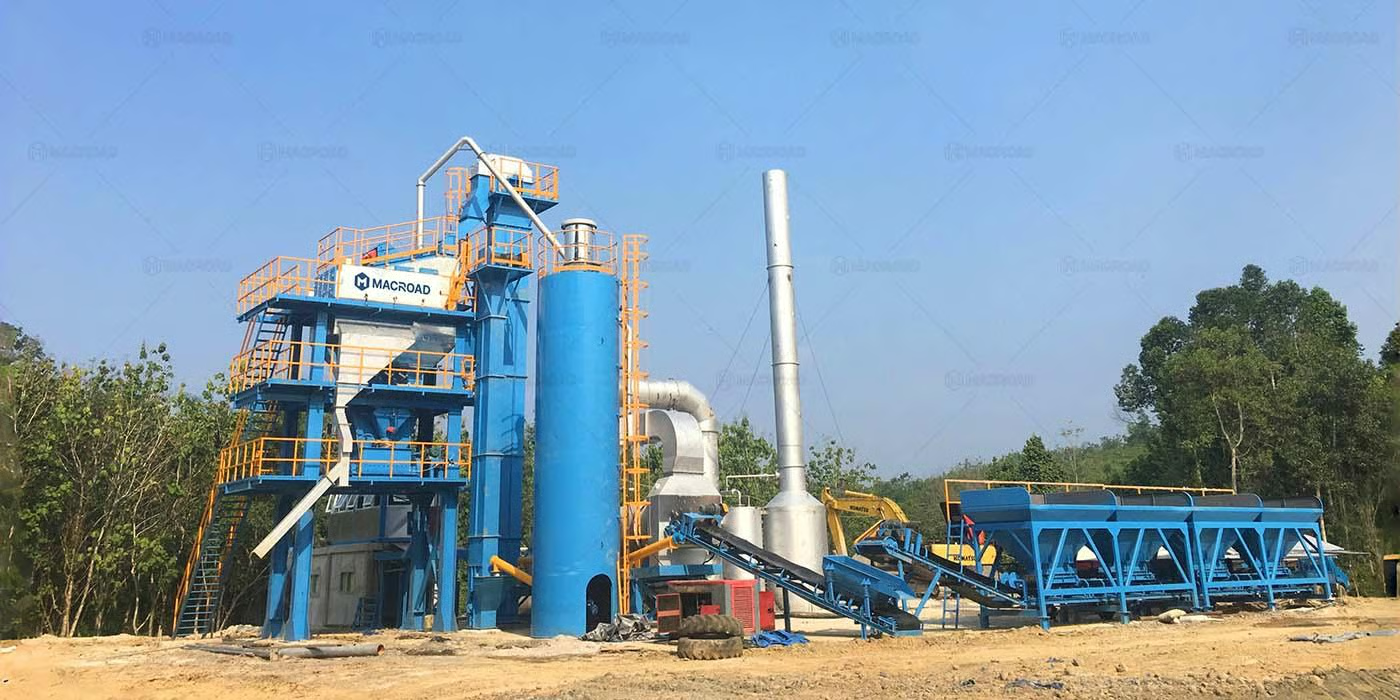
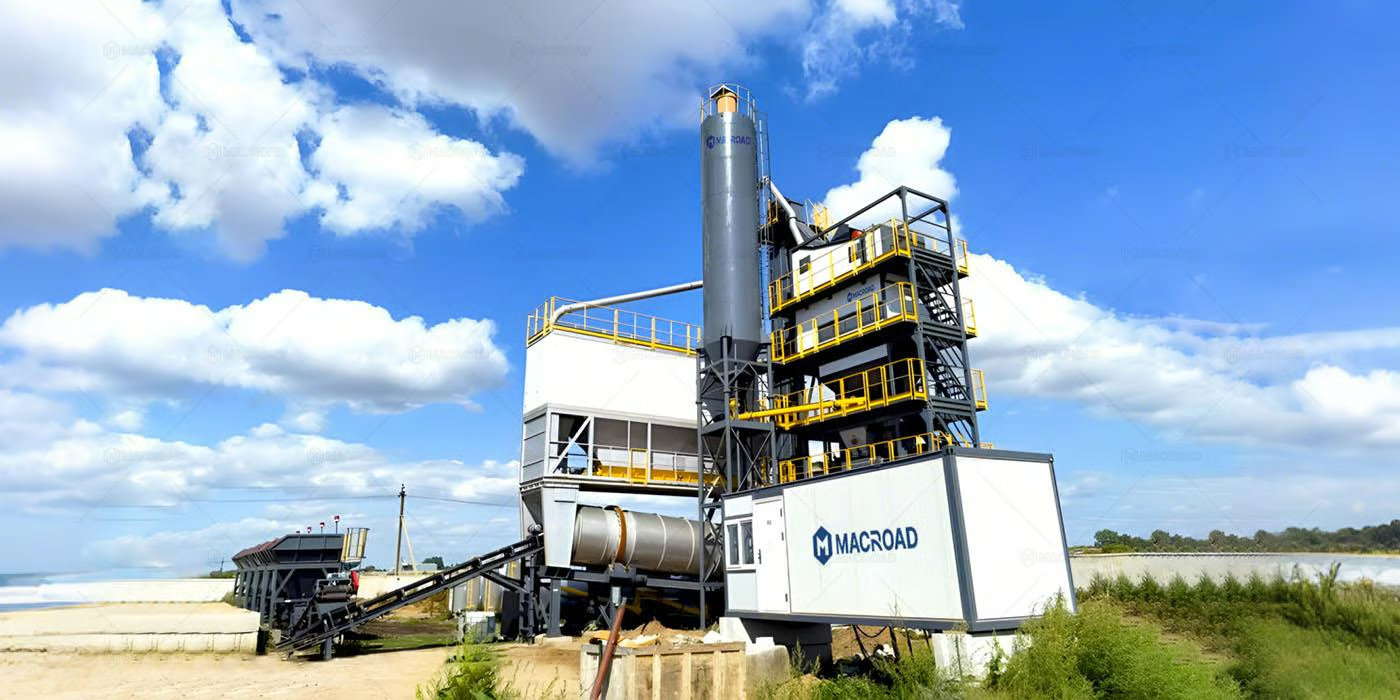
A batch type asphalt plant produces hot mix asphalt in batches. In other words, it measures and mixes aggregates, filler, and bitumen in separate cycles. Each batch has precise proportions. After one batch finishes, the next cycle begins.
How Asphalt Batch Plant Works
First, cold aggregates enter the drying drum. The burner heats and dries them. Then, a hot elevator lifts the materials to a vibrating screen. The screen separates aggregates into different sizes. These materials move into individual hot bins.
Next, the system weighs each aggregate fraction accurately. It also measures filler and bitumen. Finally, all materials enter the mixer for thorough mixing. After mixing, the finished asphalt discharges into a truck or storage silo.
Because the plant controls each step independently, it ensures high accuracy and consistent quality.
Main Advantages Of Asphalt Batch Plant
First, it offers high mixing precision. This matters for projects with strict technical standards, such as highways and airports.
Second, it allows easy formula changes. You can switch between different asphalt grades quickly. This flexibility benefits contractors who handle multiple projects.
Third, it supports high-quality special mixtures. For example, stone mastic asphalt and modified asphalt perform better in batch systems.
However, batch plants usually involve higher initial investment. They also require more complex installation and maintenance.
Understanding Drum Mix Plant
Now that we understand batch plants, let us examine drum mix plants. The structure and working principle differ significantly.
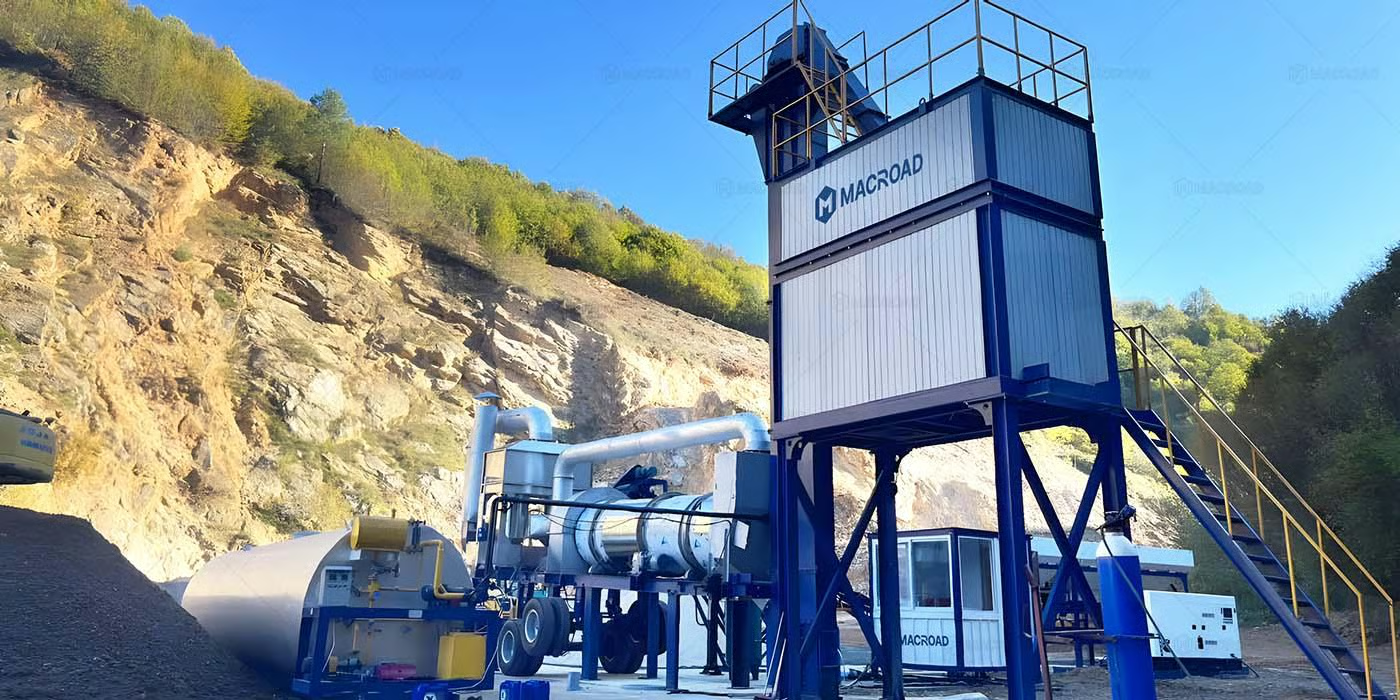
An asphalt drum mixing plant operates in continuous mode. It dries aggregates and mixes them with bitumen in the same drum. Unlike batch plants, it does not separate aggregates into hot bins.
How Drum Mix Plant Works
Cold aggregates feed into the rotating drum. The burner dries and heats them as they move forward. Then, the system injects bitumen and filler into the drum. Mixing occurs continuously as materials travel inside.
Finally, the finished asphalt exits the drum without interruption. As long as raw materials feed continuously, the plant keeps producing.
Main Advantages Of Drum Mix Plant
First, it offers a lower initial investment. Many small and medium contractors prefer this option.
Second, it has a simpler structure. Therefore, installation and operation remain straightforward.
Third, it suits large-volume production. For long road projects with stable mix formulas, drum plants deliver efficient output.
However, drum mix plants provide less flexibility in mix design changes. Quality control also depends heavily on stable material feeding.
Key Differences Between Asphalt Batch Plant And Drum Mix Plant
Now that we understand both systems individually, we can compare them directly. The difference between asphalt batch plant and drum mix plant lies mainly in production method, flexibility, cost, and application scenarios.
Production Method: Batch Vs Continuous
Batch plants produce asphalt in separate cycles. Each batch follows a precise weighing process. In contrast, drum plants operate continuously without interruption.
Therefore, if your project requires frequent mix adjustments, batch plants offer better control. On the other hand, if you focus on stable and large-scale output, drum plants perform efficiently.
Mixing Accuracy And Quality Control
Batch plants provide higher accuracy because they weigh each material separately. This ensures strict compliance with technical standards.
Drum plants rely on continuous feeding and calibration. Although they produce good quality asphalt, they may not match the precision of batch systems for high-grade projects.
Initial Investment And Operating Cost
Generally, drum mix plants cost less at the beginning. They require fewer components and simpler systems.
Batch plants require higher investment due to hot bins, screening systems, and mixing towers. However, they may generate higher long-term returns in premium projects.
Flexibility In Formula Adjustment
Batch plants allow easy and quick mix formula changes. You can produce different asphalt types in the same day.
Drum plants suit projects with fixed formulas. Changing mix design takes more time and adjustment.
Environmental And Energy Performance
Modern batch and drum plants both use advanced dust collection systems. However, batch plants often provide better control over emissions due to separate process stages.
Energy consumption depends on plant capacity, insulation, and burner efficiency. Therefore, evaluating actual project demand becomes essential.
Which Asphalt Plant Is Right For Your Project?
Now comes the most important question: which one should you choose?
The answer depends on your project type, budget, production target, and long-term strategy.
Choose Asphalt Batch Plant If:
You work on highways, airports, or government infrastructure projects with strict specifications.
You need frequent formula changes.
You aim to supply high-end asphalt mixes to multiple clients.
You focus on long-term brand reputation and quality positioning.
Choose Drum Mix Plant If:
You handle rural roads or standard municipal projects.
You want lower initial investment.
You produce large quantities of the same asphalt mix continuously.
You prefer simpler operation and maintenance.
Practical Considerations From A Contractor’s Perspective
Beyond technical comparison, contractors should evaluate real business factors.
First, consider project duration. A short-term project may not justify high capital investment. In contrast, long-term infrastructure planning supports batch plant investment.
Second, analyze local regulations. Some regions enforce strict environmental standards. In that case, advanced batch systems may provide compliance advantages.
Third, evaluate raw material stability. Drum plants require stable aggregate grading and feeding. If local materials vary frequently, batch plants offer better adaptability.
Finally, think about market positioning. Do you compete on price or quality? Your strategic direction influences equipment selection.
Long-Term Business Value And Return On Investment
Equipment purchase is not just a cost. It is a long-term investment decision.
Batch plants may require higher upfront cost. However, they often generate better profit margins in premium projects. They also strengthen your company’s technical capability.
Drum plants allow faster entry into the asphalt market. They help smaller contractors expand capacity without heavy financial pressure.
Therefore, instead of asking which plant is better, you should ask which plant matches your business model.
Conclusion: Make A Smart Choice For Sustainable Growth
In summary, the difference between asphalt batch plant and drum mix plant lies in production method, precision, flexibility, cost, and application suitability.
Batch plants provide higher accuracy and flexibility. Drum mix plants offer cost efficiency and continuous production.
Your final decision should align with your project scale, market demand, and growth strategy. When you evaluate these factors carefully, you reduce risk and improve long-term profitability.
If you are planning a new asphalt project or upgrading your production line, now is the right time to analyze your real needs. Consult experienced manufacturers, review technical parameters, and compare total lifecycle costs.
Choose wisely today, and your asphalt business will build stronger roads — and stronger profits — tomorrow.
Indonesia Asphalt Mixing Plant
Articles similaires

What Is The Best Mobile Crushing Plant Solution For Remote Island Projects In Indonesia?
Remote island projects in Indonesia face high logistics and material challenges. Learn the best mobile crushing plant solutions for efficient on-site aggregate production, lower costs, and reliable performance in remote and difficult conditions.


