
Discover whether a 25 m³/h or 35 m³/h mini concrete batching plant is the best choice for housing projects under 10,000 m³ total demand in Indonesia. Compare project speed, costs, and flexibility to make the right decision for your construction needs.
What is the Best Mini Concrete Batching Plant Capacity (25 m³/h vs 35 m³/h) for Housing Projects under 10,000 m³ Total Concrete Demand in Indonesia?
In Indonesia, housing development projects often have concrete needs below 10,000 m³ in total. Contractors and developers in this segment face a common question: should they invest in a 25 m³/h mini concrete batching plant or step up to a 35 m³/h batching plant mini? The answer depends on project size, timeline, and budget strategy. By comparing these two capacities, we can identify which option offers the best value for housing projects.
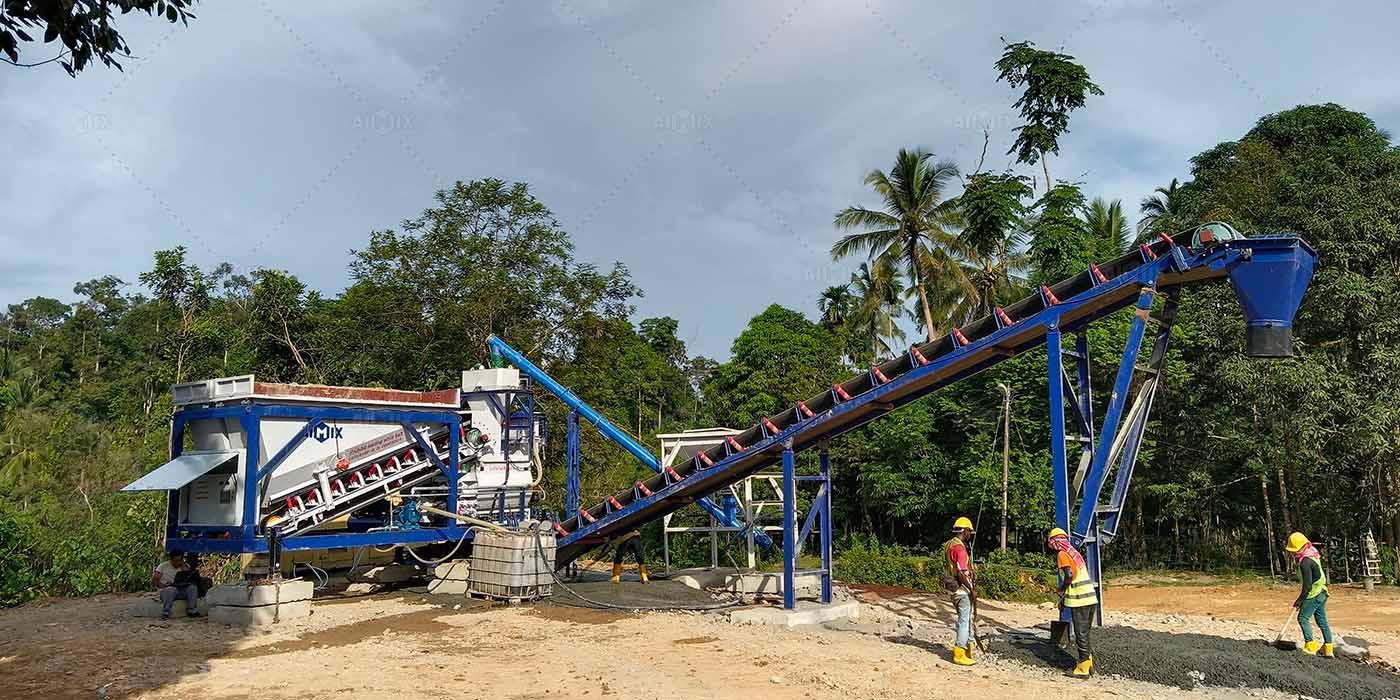
Why Mini Concrete Batching Plants Suit Housing Projects
Housing projects are very different from massive highway or airport jobs. They require steady concrete supply, but not extremely high daily output. That is why mini plants in the 25–35 m³/h range have become popular in Indonesia. They balance mobility, investment cost, and production efficiency.
Since housing projects usually spread across multiple phases, contractors value flexibility. Choosing the right capacity helps them avoid delays and unnecessary expenses. Now, let’s look at how 25 m³/h and 35 m³/h plants perform in real housing scenarios.
Comparing 25 m³/h vs 35 m³/h Mini Plants
Both capacities can handle housing projects with less than 10,000 m³ demand. However, their differences in speed, batching cycle, and project efficiency make a big impact. Understanding these contrasts allows contractors to plan better.
1. Project Timeline and Speed
A 25 m³/h plant typically produces around 200 m³ per day if running for one full shift. In contrast, a 35 m³/h plant can reach about 280 m³ per day. For a project requiring 10,000 m³, the 25 m³/h small concrete batching plant would need about 50 working days, while the 35 m³/h model could finish in closer to 36 days. This difference is crucial when developers face strict deadlines.
2. Investment and Operating Costs
Cost considerations are equally important. A 25 m³/h batching plant usually comes with lower upfront investment, lower power demand, and smaller land requirements. On the other hand, the 35 m³/h plant costs slightly more but reduces labor and machine time. Over the full project life, contractors need to decide whether saving time or saving investment matters more.
3. Flexibility Across Multiple Sites
In Indonesia, many housing developers run projects in several phases or at different locations. The 25 m³/h mini batch plant is lighter and easier to move, which suits contractors who shift sites frequently. The 35 m³/h option, though heavier, provides stronger productivity for larger clusters of houses. In short, the first favors mobility, while the second favors efficiency.
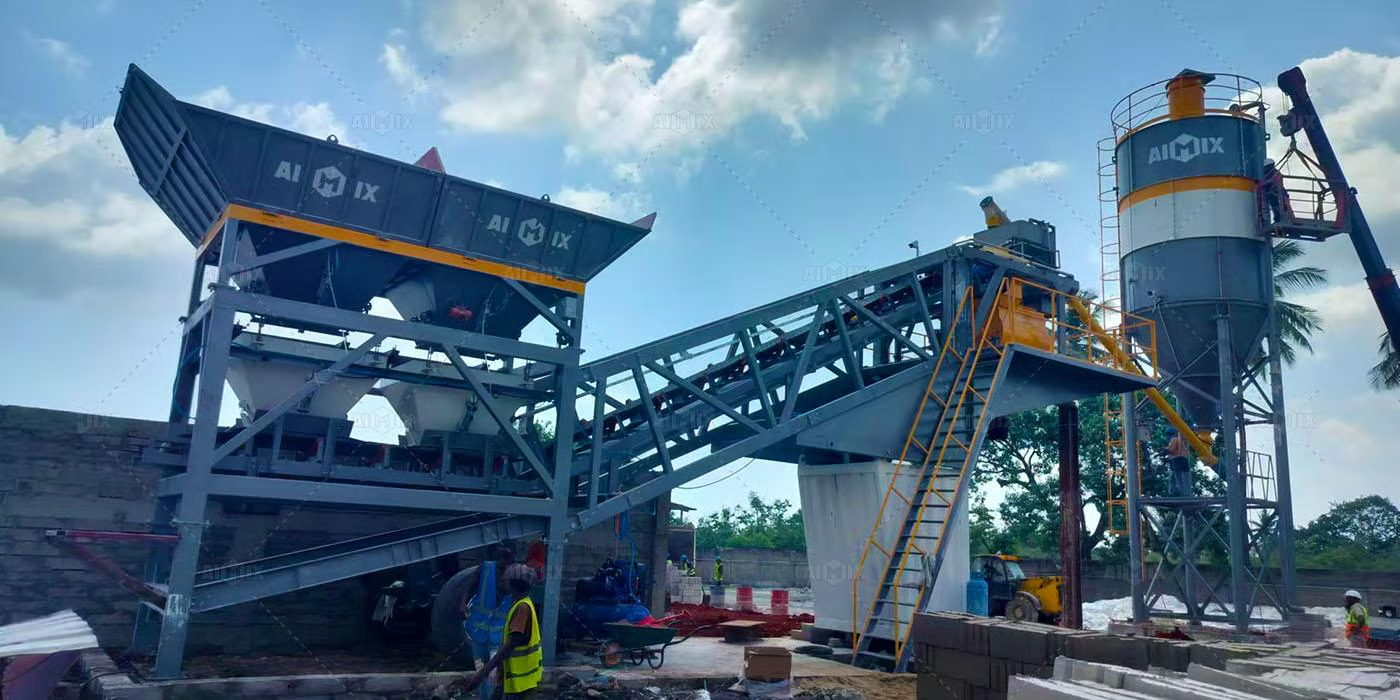
Which Option is More Practical in Indonesia?
Looking at industry practice, the 25 m³/h mini batching plant fits smaller housing projects with relaxed timelines and tighter budgets. It is often chosen by local developers or contractors entering new markets. Meanwhile, the 35 m³/h option is a better match for housing projects that need to finish faster or deliver multiple units in parallel.
In both cases, the key is matching plant capacity with real project demand. Oversizing leads to wasted investment, while undersizing risks costly delays. This balance is what every contractor must calculate carefully.
How to Decide Between 25 m³/h and 35 m³/h
To simplify the choice, consider three factors: total project volume, timeline pressure, and long-term business goals. If a developer expects more housing projects in the near future, a 35 m³/h batching plant terdekat may become more cost-effective in the long run. However, if the current project is a one-time or small-scale job, a 25 m³/h concrete mixing plant is usually sufficient.
Therefore, decision-making is not only about plant capacity but also about aligning equipment with business growth strategy.
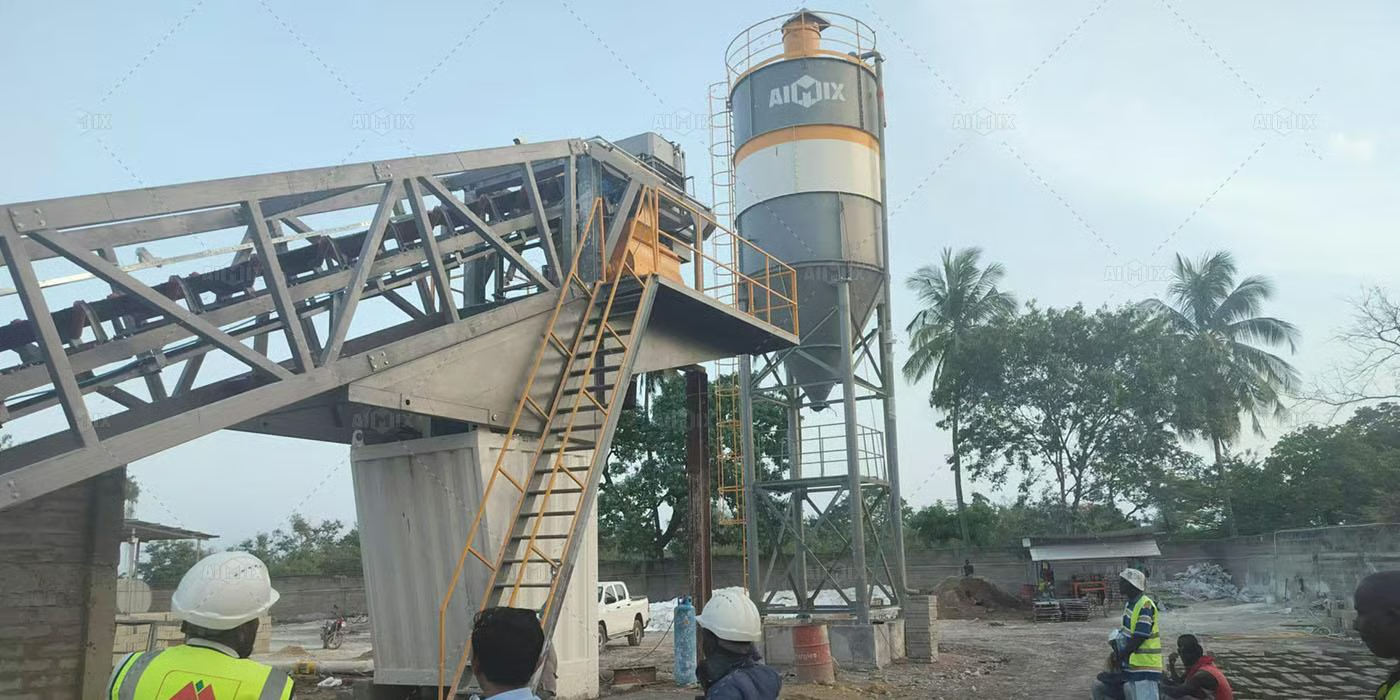
Conclusion: Choosing the Best Capacity for Your Housing Project
For housing projects under 10,000 m³ total demand in Indonesia, both 25 m³/h and 35 m³/h mini concrete batching plants can deliver reliable performance. The difference lies in project speed, investment scale, and flexibility. Contractors who prioritize quick delivery and plan for future expansion may lean towards the 35 m³/h model. Those focused on cost control and frequent mobility may find the 25 m³/h plant more practical.
If you are considering which option suits your project, our team can provide tailored advice based on your site conditions, schedule, and budget. Contact us today to discuss the best batching plant solution for your housing project in Indonesia.
Indonesia batching plant terdekat
Articles similaires

What Is The Best Mobile Crushing Plant Solution For Remote Island Projects In Indonesia?
Remote island projects in Indonesia face high logistics and material challenges. Learn the best mobile crushing plant solutions for efficient on-site aggregate production, lower costs, and reliable performance in remote and difficult conditions.


