Learn about the ideal configuration for a 120 TPH asphalt batch plant in Indonesia. Discover key components, benefits, and considerations for efficient asphalt production in Indonesia's climate.
What Configuration Is Needed for a 120 TPH Asphalt Batch Plant in Indonesia?
If you're in the construction industry in Indonesia and considering investing in a 120 TPH asphalt batch plant, understanding the right configuration is crucial for ensuring efficiency and meeting project needs. In this article, we’ll explore the essential components and configurations you should consider, offering a comprehensive guide to help you make an informed decision.
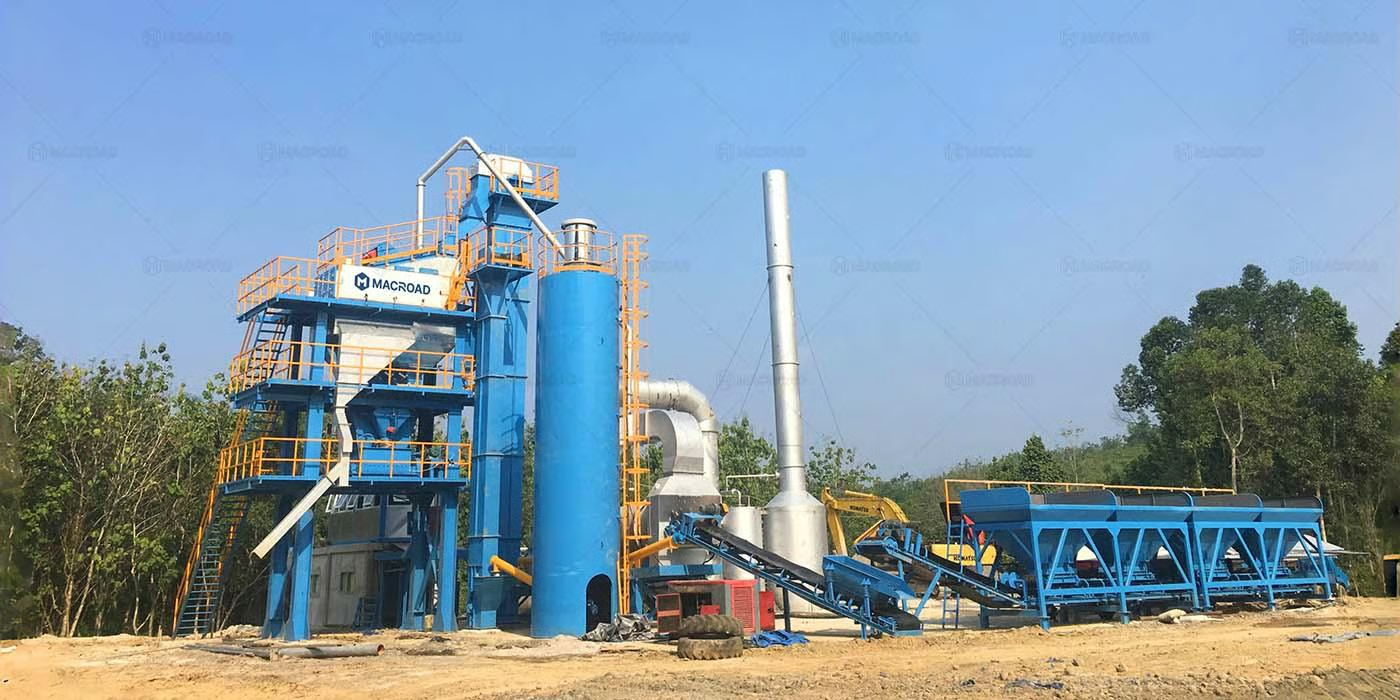
Why a 120 TPH Asphalt Batch Plant?
When it comes to paving roads, highways, and large infrastructure projects, the right asphalt plant configuration plays a key role in achieving high production rates while maintaining quality. A 120 TPH (Tons Per Hour) asphalt batch plant is ideal for mid-to-large scale projects, offering a balance between performance, cost-efficiency, and production capacity. But what configuration ensures that this plant performs at its best in Indonesia’s unique construction environment?
Key Components of a 120 TPH Asphalt Batch Plant
Understanding the key components of an asphalt batch plant is the first step in ensuring you choose the right configuration for your specific needs. The main parts that make up a 120 TPH hot mix batching plant include:
1. Cold Aggregate Feeding System
The cold aggregate feeding system is where the raw materials (aggregates) are stored and fed into the plant. This system usually includes storage silos, conveyors, and feeders. In Indonesia, where humidity and weather conditions can vary significantly, choosing a system that minimizes material wastage and maintains consistency is essential.
2. Drum Mixer
The drum mixer is one of the most important parts of the plant. It mixes the aggregates with the bitumen and other additives. A well-designed drum mixer ensures that the asphalt is uniformly mixed, which is essential for achieving the required quality. A 120 TPH batch plant typically has a high-efficiency drum mixer that meets the specific needs of road construction projects in Indonesia.
3. Bitumen Supply System
Bitumen is a key ingredient in asphalt production. The supply system must be robust, with proper storage and heating equipment to keep the bitumen at the right temperature. For Indonesia, where high temperatures and humidity are common, it’s crucial to choose a plant that maintains bitumen at an optimal temperature for quality production.
4. Asphalt Storage Silos
Asphalt storage silos are used to temporarily store the finished product before it’s delivered to the construction site. Depending on the project’s scale, you might need one or multiple silos. For larger projects in Indonesia, multiple silos can help maintain continuous production and ensure smooth delivery to the site.
5. Control System
The control system is at the heart of the plant’s operation. A fully automated and user-friendly control system ensures precise monitoring and adjustment of all components. This not only increases efficiency but also ensures that the asphalt produced meets the necessary quality standards. A good control system is essential for meeting the specific requirements of Indonesian projects, where precision is key.

Optimal Configuration for Indonesian Conditions
Indonesia presents unique challenges when it comes to asphalt production. With its tropical climate, high humidity, and fluctuating temperatures, the configuration of your asphalt batch plant must account for these factors. To ensure optimal performance, consider the following configurations:
1. Advanced Cold Feed System
Due to the high moisture content in some of the materials used in Indonesia, it’s advisable to invest in a cold feed system with moisture-resistant features. This will prevent issues like material clumping and ensure smooth operation even in wet conditions.
2. High-Efficiency Dryer
Indonesia’s high humidity can increase the moisture content in aggregates, making drying a key step in asphalt production. A high-efficiency dryer with advanced burner technology will ensure that the aggregate is thoroughly dried, leading to better mix quality and reduced energy consumption.
3. Bitumen Heating System
The bitumen used in asphalt must be heated to specific temperatures to maintain quality. A robust bitumen heating system that can handle the climate variations in Indonesia is essential for preventing solidification and ensuring smooth asphalt production.
4. Easy Transportation and Mobility
In Indonesia, construction sites are often located in remote areas with limited access. An asphalt mixing plant portable configuration that prioritizes mobility is crucial. Opting for a modular plant design that is easy to transport and set up can help save time and costs during plant relocation, especially for large-scale, long-term projects.
5. Integrated Dust Collection System
Asphalt production can generate dust, which can be harmful to the environment and workers. To comply with Indonesia’s environmental regulations, you’ll need an integrated dust collection system to keep emissions at a minimum. A high-efficiency filtration system can help meet these standards while keeping the plant clean and safe.
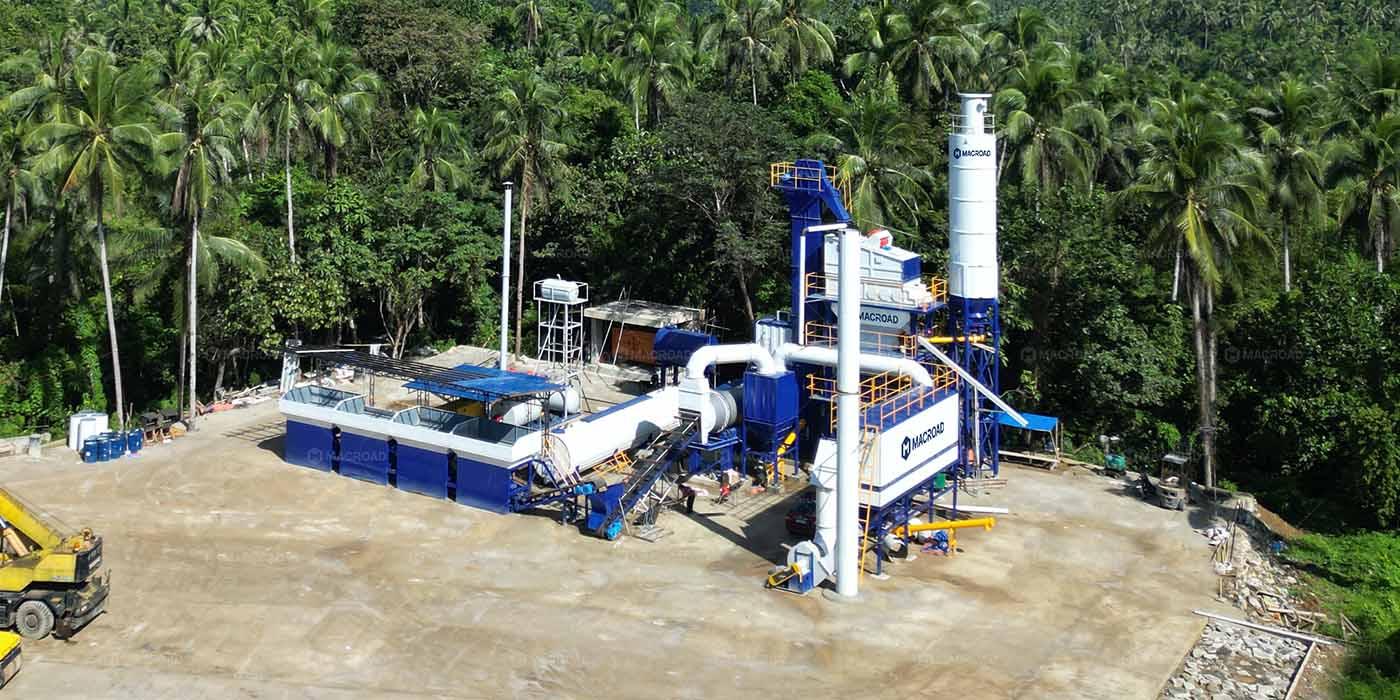
Benefits of the Right Configuration for Your Asphalt Plant
Choosing the right configuration for your 120 TPH asphalt batch plant can result in numerous benefits, especially for road construction projects in Indonesia. These benefits include:
1. Increased Productivity
A properly configured plant ensures that each component works efficiently, which translates into higher output and reduced downtime. This is particularly beneficial for large-scale projects, where meeting deadlines is critical.
2. Cost Efficiency
Investing in the right configuration helps to reduce operating costs. With optimized components like the drying system and bitumen heater, your plant will consume less energy while maintaining high output. Additionally, the efficient handling of raw materials ensures that there is less wastage, contributing to overall cost savings.
3. Consistent Asphalt Quality
Consistency is key in asphalt production. By choosing the right configuration, you ensure that the quality of asphalt remains uniform, which is crucial for meeting construction specifications and maintaining the integrity of the roads.
4. Compliance with Environmental Standards
Indonesia has strict environmental regulations, especially concerning dust and emissions. A well-configured asphalt plant with advanced filtration and dust collection systems will help you meet these standards and avoid costly penalties.
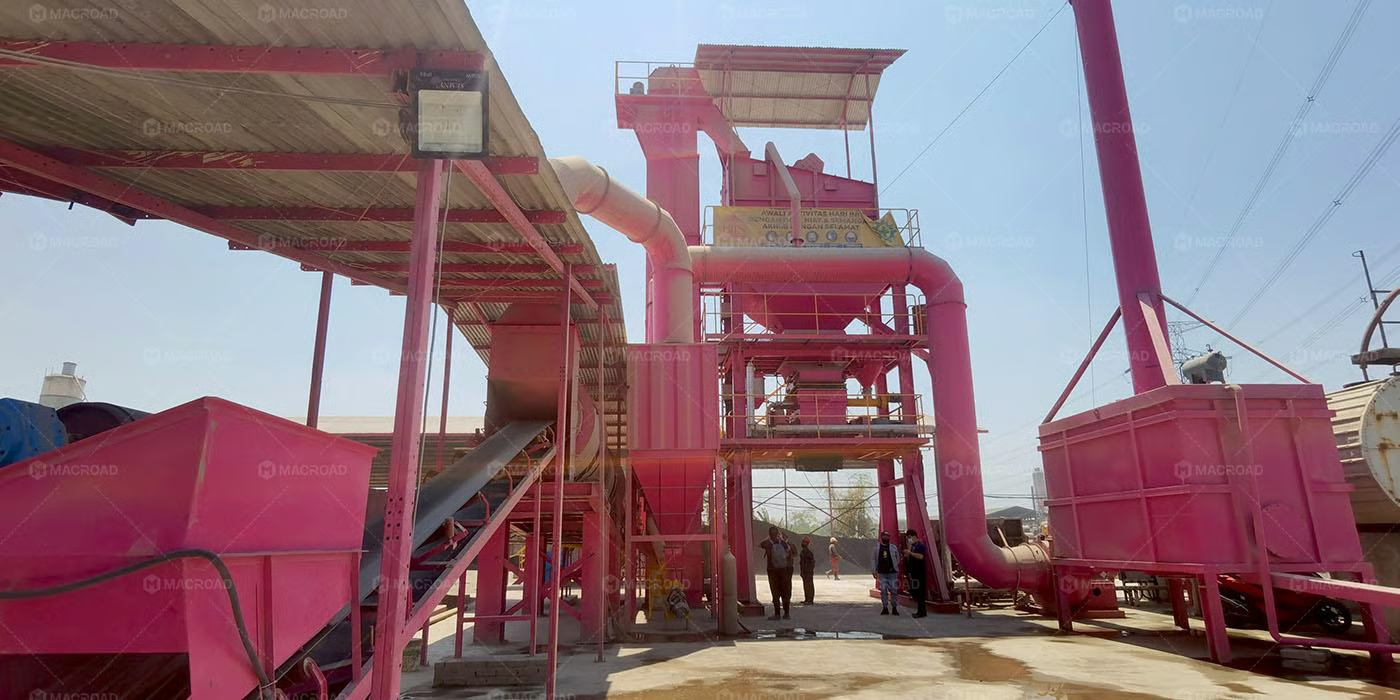
Conclusion: Why You Need the Right Configuration for Your 120 TPH Asphalt Batch Plant
In conclusion, selecting the correct configuration for your 120 TPH asphalt batch plant is essential for meeting the demands of road construction projects in Indonesia. By considering factors like climate conditions, mobility, and energy efficiency, you can ensure that your plant runs smoothly and delivers high-quality asphalt every time. Whether you are building roads in urban areas or remote locations, a well-configured asphalt plant will help you meet your project goals efficiently and cost-effectively.
Ready to choose the right configuration for your asphalt batch plant? Contact us today to discuss how we can help you select the best plant for your needs and ensure your project’s success!
Indonesia Asphalt Mixing Plant
Articles similaires

What Is The Best Mobile Crushing Plant Solution For Remote Island Projects In Indonesia?
Remote island projects in Indonesia face high logistics and material challenges. Learn the best mobile crushing plant solutions for efficient on-site aggregate production, lower costs, and reliable performance in remote and difficult conditions.


