
Learn how to choose the right asphalt plant capacity for your daily paving needs of 300-500 tons. Maximize efficiency and productivity with our comprehensive guide.
What Asphalt Plant Capacity Meets My Daily Paving Demand of 300-500 Tons?
When planning an asphalt paving project, choosing the right asphalt plant capacity is crucial. If your daily paving demand ranges from 300 to 500 tons, selecting an amp hotmix that matches this workload directly impacts efficiency, cost, and overall project success. In this article, I will help you understand how to pick the most suitable asphalt plant capacity based on your needs, budget, and project scale.
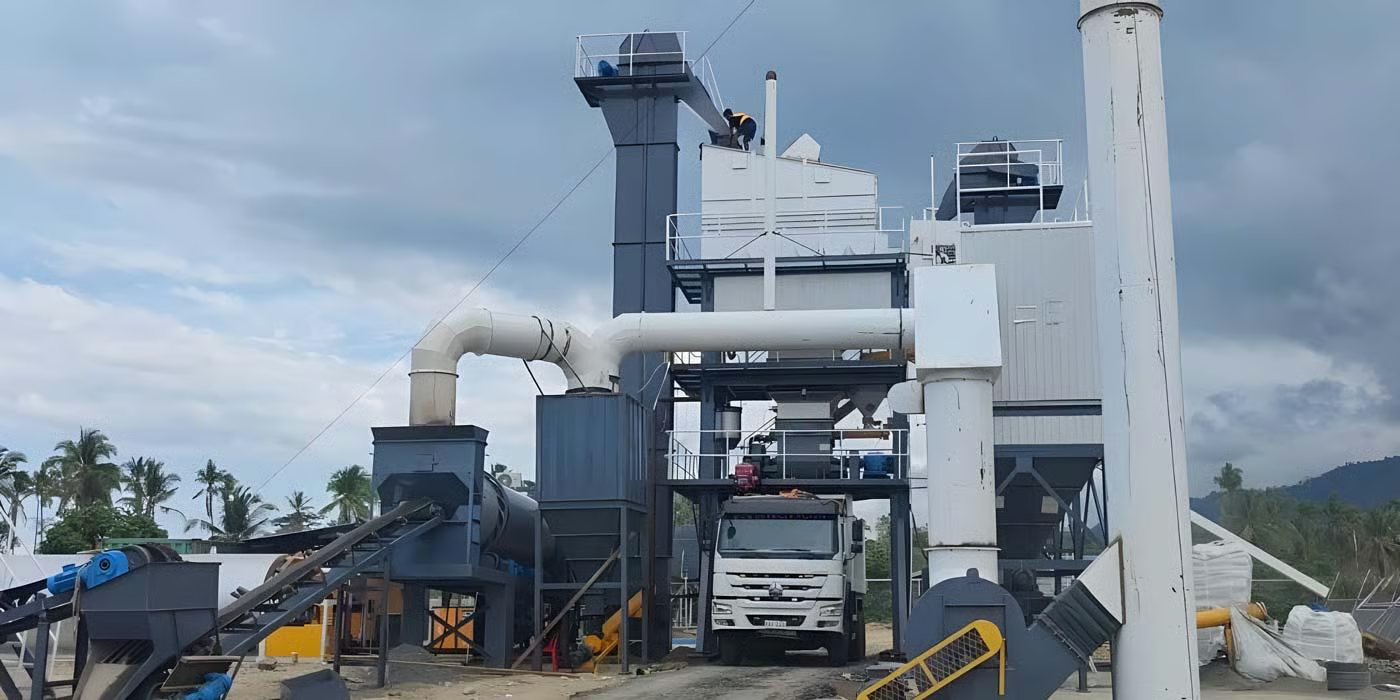
Understanding Your Daily Paving Demand
First, let's clarify what "daily paving demand" means. It refers to the amount of asphalt mixture you need to produce and lay within one working day. For many road construction and maintenance projects, 300 to 500 tons per day is a common range. This volume can support medium-sized roads, highway repairs, parking lots, or urban infrastructure projects.
Accurately estimating your demand helps avoid buying an underpowered or oversized asphalt plant, both of which have drawbacks. An undersized plant can cause delays and raise operational costs, while an oversized plant leads to unnecessary investment and higher running expenses.
How to Match Asphalt Plant Capacity with Your Project Requirements
Choosing an asphalt plant starts with aligning plant capacity with your daily paving target. Usually, asphalt plants are rated by their production capacity per hour, for example, 40 tons per hour (tph), 60 tph, 80 tph, and so on. To meet a daily demand of 300 to 500 tons, you must consider:
1. Working Hours per Day
If your team works 8 hours per day, a plant producing 40 to 60 tph can meet your demand efficiently. For example, a 40 tph plant running for 8 hours produces 320 tons, which fits your lower limit. An 80 tph plant can cover 640 tons in the same time, providing flexibility for higher demand or longer shifts.
2. Project Timeline and Paving Speed
Besides capacity, consider how fast you want the paving completed. Faster timelines require plants with higher throughput to avoid production bottlenecks. If your project needs to finish quickly, you might prefer an 80 tph plant over a 40 tph one to avoid downtime and meet deadlines.
3. Quality and Consistency
Choosing a capacity that matches demand ensures the plant operates optimally. Plants running at or near their design capacity deliver better mix quality and consistency. Frequent underuse can lead to operational inefficiencies, while overuse may reduce product quality.
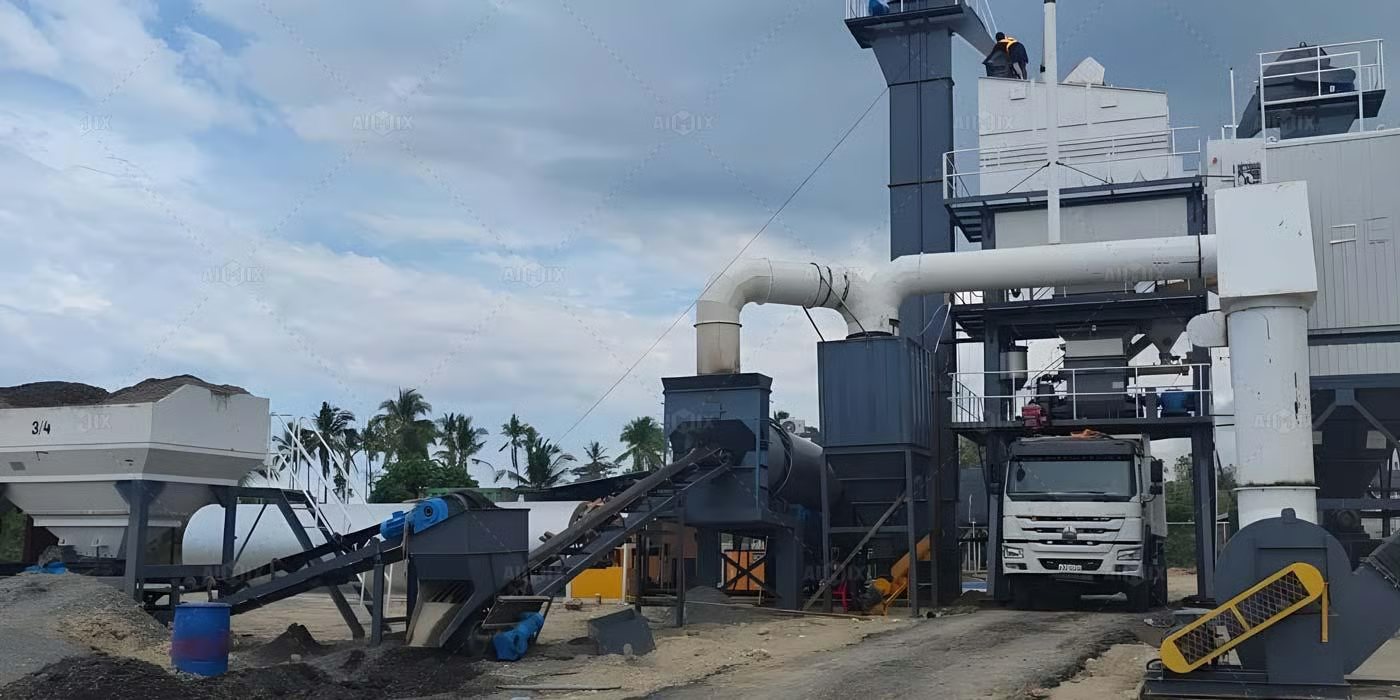
Comparing Different Asphalt Plant Types and Capacities
Now that you understand the capacity needs, it’s important to choose the right type of asphalt plant. Generally, plants come as stationary or mobile, and batch or drum mix plants.
Stationary Batch Asphalt Plants
Batch plants produce asphalt mix in batches, ideal for projects requiring precise mix designs. They often have capacities ranging from 40 tph to over 160 tph. For 300-500 tons per day, a 40-60 tph batch plant works well, offering precise control and good flexibility.
Mobile Asphalt Plants
Mobile asphalt plants provide the advantage of quick relocation, which suits multiple-site projects. Their capacity usually ranges between 20 tph and 80 tph. A 60-80 tph portable asphalt mixing plant is suitable for your demand if you value mobility without sacrificing production speed.
Drum Mix Asphalt Plants
Drum mix plants offer continuous mixing, suitable for large-scale projects. Their capacities often start at 60 tph and can go beyond 300 tph. For your daily demand, smaller drum plants with 60-80 tph capacity will be efficient and cost-effective.
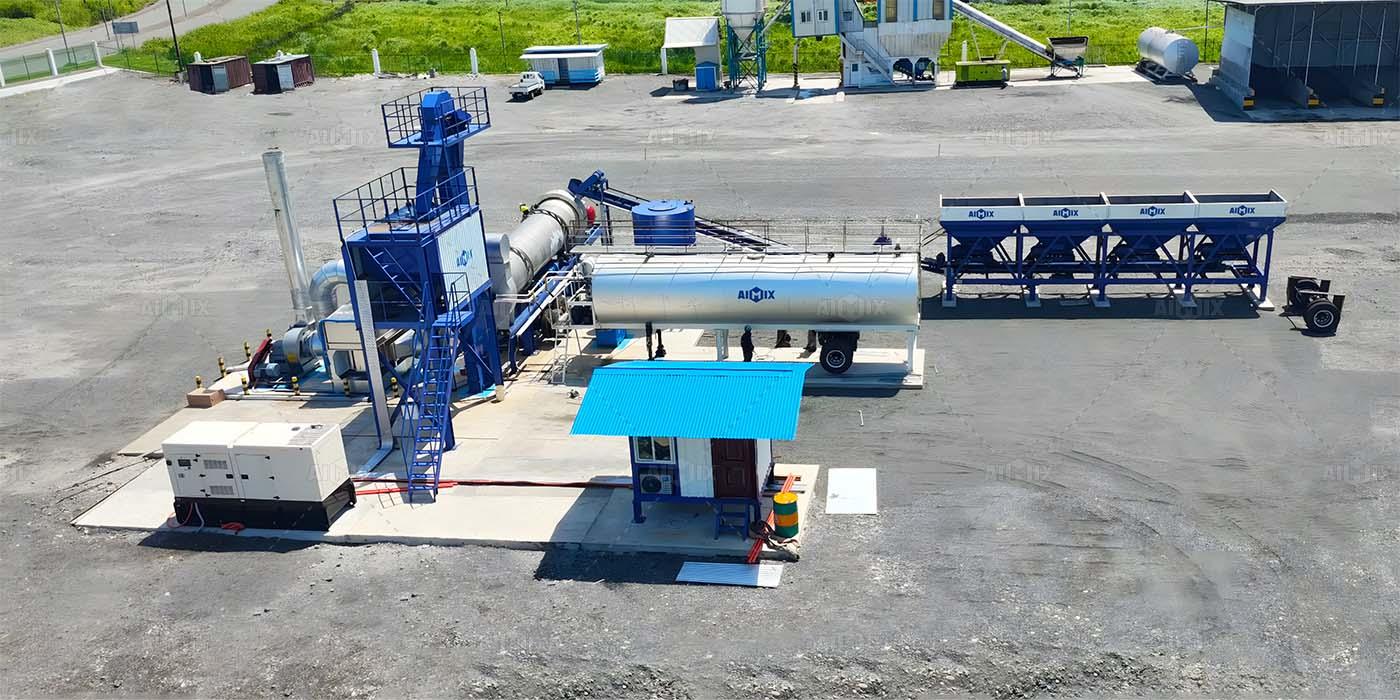
Additional Factors Influencing Capacity Selection
Capacity alone does not determine your choice. You should also weigh these factors:
1. Budget Constraints
Bigger plants cost more initially and consume more energy. Balancing capacity and budget ensures you don’t overspend on unused production power.
2. Material Supply and Storage
Your ability to supply aggregates, bitumen, and fillers must match plant output. Storage space and transport logistics can limit how much you can realistically produce daily.
3. Local Regulations and Environmental Considerations
Some regions have strict emission limits. Choosing plants with environmental compliance technology can be crucial.
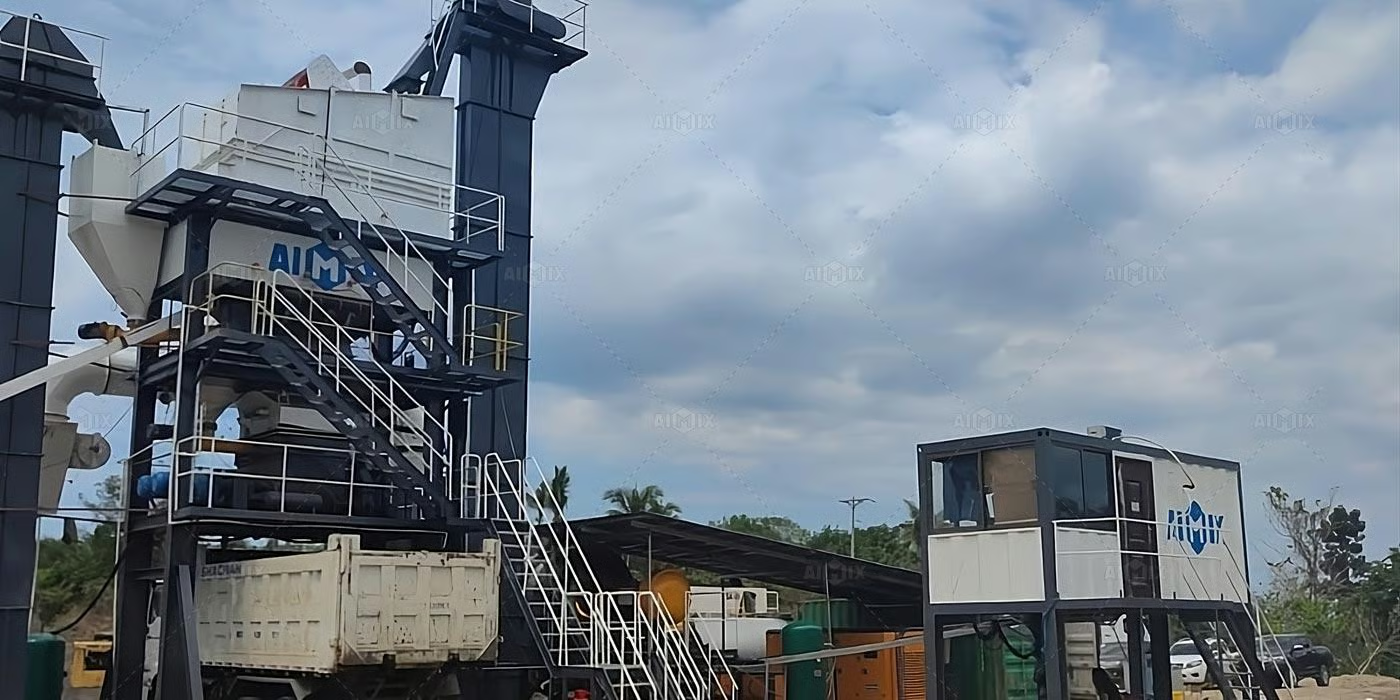
Conclusion: Selecting the Right Asphalt Plant Capacity for 300-500 Tons Daily Demand
To meet a daily paving demand of 300 to 500 tons, look for asphalt plants with a production capacity between 40 and 80 tph, depending on your working hours and project timeline. Both stationary and mobile plants have options suitable for this range. Prioritize not only capacity but also operational efficiency, quality control, budget, and site conditions.
Making the right choice leads to smoother paving operations, controlled costs, and on-time project completion.
How AIMIX Can Help You Choose the Perfect Asphalt Plant
At AIMIX, we understand the challenges you face in selecting an asphalt plant. Our range includes batch asphalt plant and asphalt drum mix plant with capacities tailored for daily outputs from 30 to over 300 tons. Whether you need a compact mobile plant for multiple sites or a stationary plant for long-term projects, we provide solutions with reliable performance and quality assurance.
Contact us today to discuss your paving requirements. We offer personalized guidance to help you choose the right asphalt plant capacity that fits your project’s scope and budget. Together, we can ensure your paving project runs efficiently and successfully.
Indonesia Asphalt Mixing Plant
Articles similaires

What Is The Best Mobile Crushing Plant Solution For Remote Island Projects In Indonesia?
Remote island projects in Indonesia face high logistics and material challenges. Learn the best mobile crushing plant solutions for efficient on-site aggregate production, lower costs, and reliable performance in remote and difficult conditions.


