
Practical guidance on the best limestone particle size distribution for concrete batching plants. Clear ranges, site tips, and AIMIX solutions.
Optimal Limestone Particle Size for Concrete Batching Plants (0–5, 5–20, 20–40 mm)
I focus on results customers can feel on site. The right limestone gradation lifts strength, improves workability, and controls cost. Because mix behavior starts with particle size distribution (PSD), I break down how 0–5 mm, 5–20 mm, and 20–40 mm work together. Then I map these bands to real projects, step by step. You can use this guide today at your batching plant.
Why PSD Matters Before You Pour
A well-graded blend packs tighter. Therefore, paste demand drops. Lower paste reduces heat, shrinkage, and cost. In contrast, a gap-graded blend leaves voids. Hence, water and cement go up, while finish quality goes down. So, the goal is balance: fines for cohesion, mids for strength, and coarse for a stable skeleton.
With this goal in mind, I move from fines to coarse. This order clarifies how each fraction supports the next and how small tweaks ripple through the whole mix.
0–5 mm: Control Workability and Pumpability
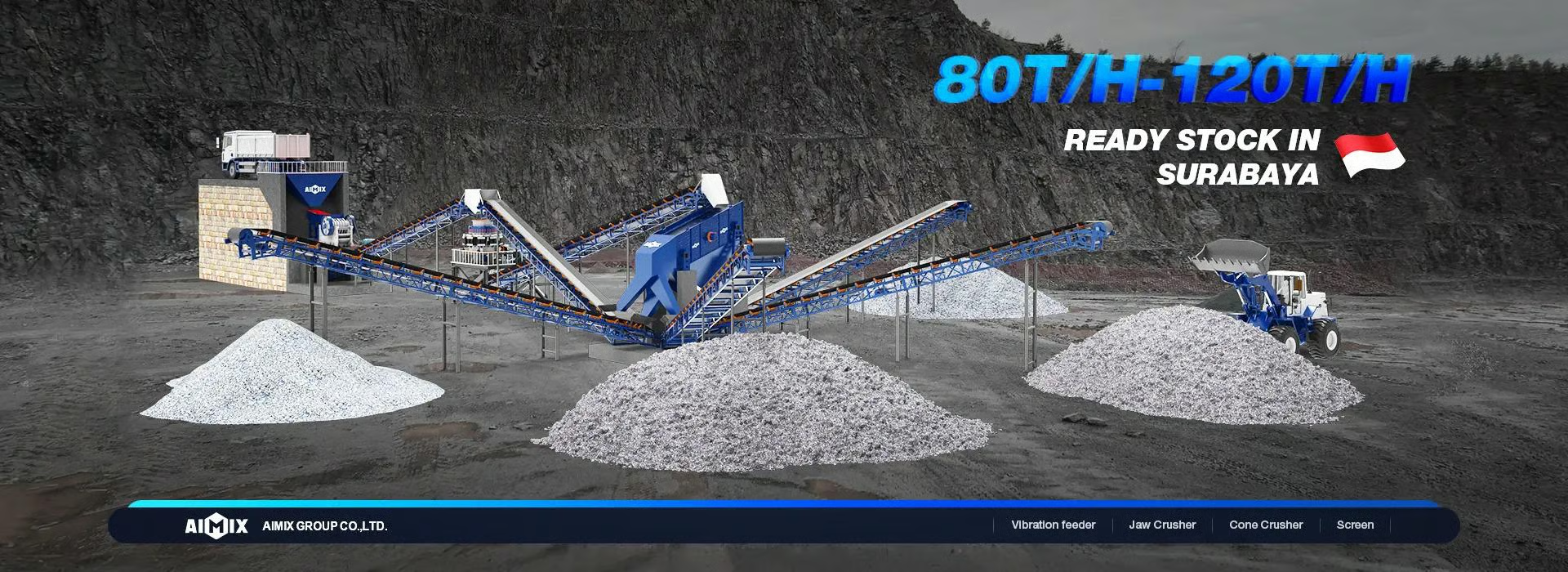
The 0–5 mm fraction acts as manufactured sand. It drives cohesion, finishability, and pumping stability. Slightly higher fines hold water better and cut bleeding. As a result, placement speeds up and surfaces look cleaner. However, too many fines raise water demand and shrinkage risk. So, balance remains key.
Target Window for 0–5 mm
Match the feel of good natural sand. Keep the ultra-fine portion (passing 0.075 mm) moderate. This keeps the slump curve predictable. In hot or humid climates, consistent fines also limit segregation during transit.
When to Adjust Fines
Increase 0–5 mm if mixes feel harsh, segregate at discharge, or cause pump surges. Decrease fines if water demand spikes, finishing gets sticky, or shrinkage cracks show up. Log every change. Small 1–2% steps already shift slump and air.
5–20 mm: Build the Strength Skeleton
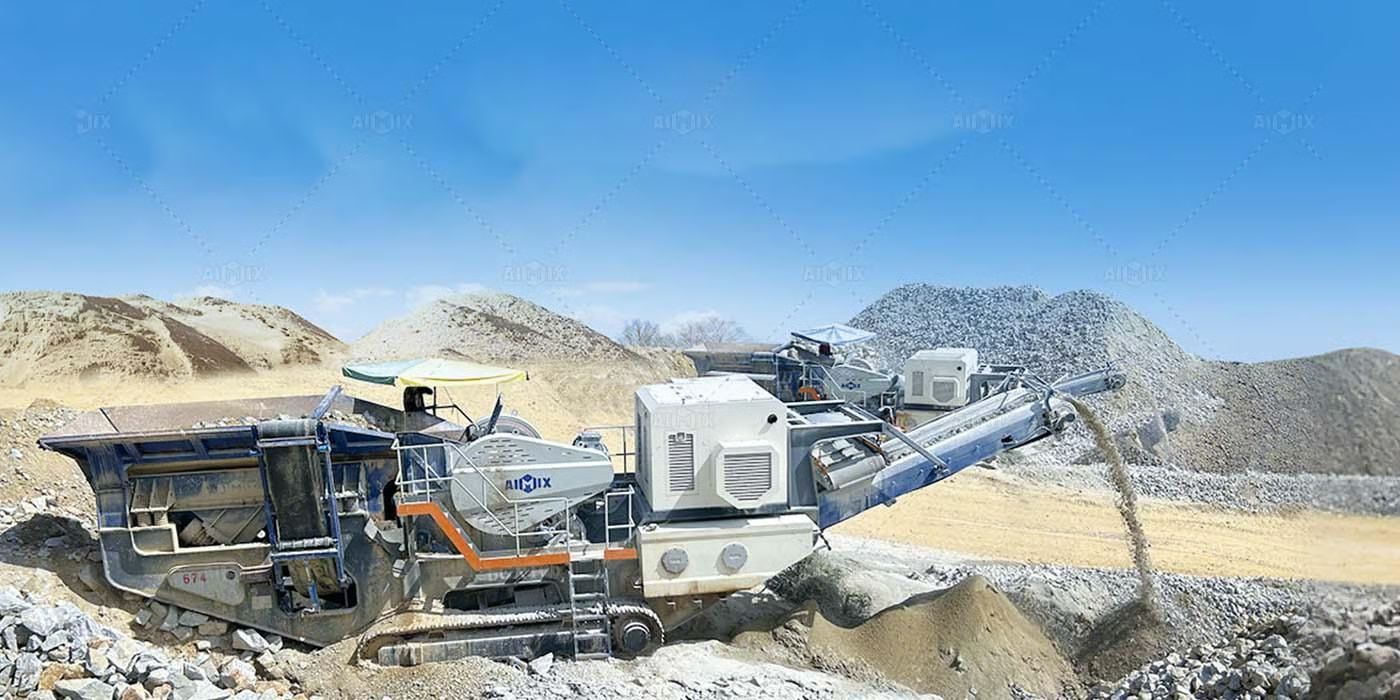
Once fines give cohesion, the 5–20 mm fraction locks the matrix. It carries load and reduces paste. Because of that, most structural mixes blend 5–10 mm and 10–20 mm. This blend boosts packing density and keeps the water–cement ratio stable at a lower paste volume.
Target Window for 5–20 mm
For slabs, beams, columns, and general civil work, the 5–20 mm blend hits the sweet spot. It balances strength and pumpability. If rebar spacing is tight or the pump line is long, shift a little toward 5–10 mm. Flow improves while the skeleton stays firm.
When to Adjust the Mid Fraction
Raise the 5–10 mm share for smoother pumping and better finishing. Raise the 10–20 mm share for higher stiffness and reduced paste. Coordinate each change with the fines. The system works as a whole; total voids must stay low.
20–40 mm: Stabilize Volume and Cut Paste
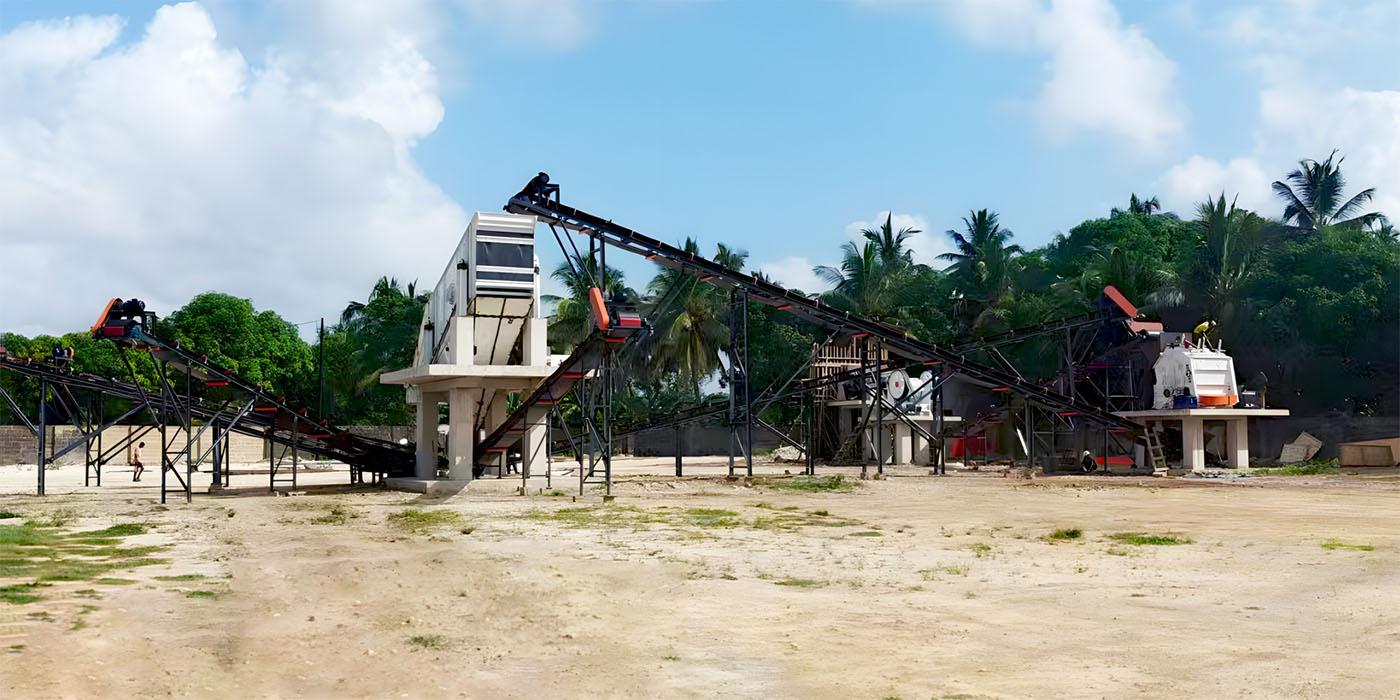
The 20–40 mm fraction reduces paste volume and heat of hydration. It also trims cost because large chips replace paste in the volume. Yet not every mix needs them. In congested reinforcement, large chips can bridge and block flow. Therefore, use 20–40 mm where spacing, cover, and pump hardware allow it.
Target Window for 20–40 mm
Adopt 20–40 mm in foundations, thick mats, and plain concrete works. It helps in road bases or lean concrete as well. However, for high-rise columns or dense cages, keep it minimal. Rely instead on a tighter 5–20 mm skeleton with consistent fines.
When to Adjust the Coarse Fraction
Add 20–40 mm when heat control, economy, and bulk stability matter most. Reduce it if you see pump blockages, honeycombing near rebar, or poor finish at form faces. Adjust in small steps and confirm with trial batches.
Recommended Blends by Scenario
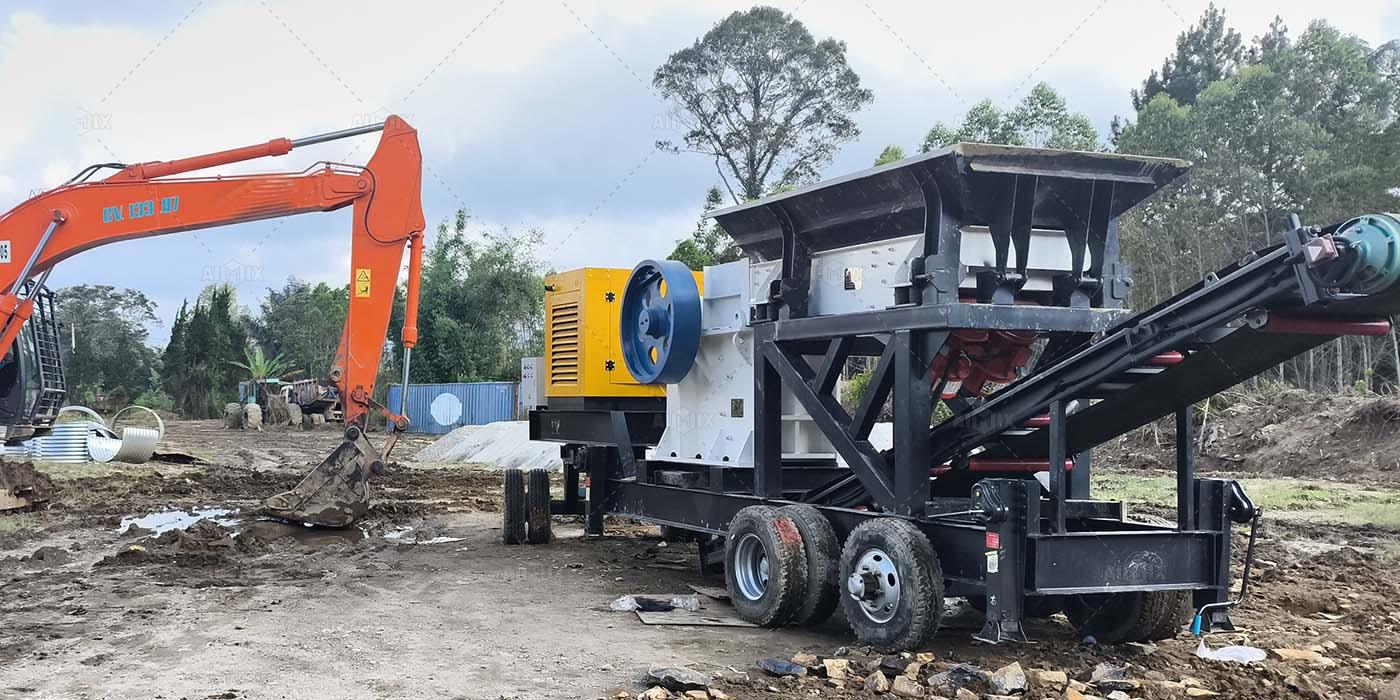
We have covered each band. Now I connect them to practical starting blends. Treat these as baselines. Then refine with sieve tests, slump checks, and cube results.
General Structural Concrete (Slabs/Beams/Columns)
Start with 35–45% of 0–5 mm, 45–60% of 5–20 mm, and 0–15% of 20–40 mm. This usually gives steady slump, clean finish, and solid strength. If pumping is critical, shift a little from 10–20 mm to 5–10 mm and retest.
Pumped Concrete with Tight Rebar
Lean toward more 0–5 mm and 5–10 mm. Keep 20–40 mm near zero. Flow improves, pressure spikes drop, and blockage risk falls. Control water with proper admixture dosing.
Mass Concrete or Thick Foundations
Include 20–40 mm to cut paste and heat. Balance with enough fines to prevent edge voids. Check rebar spacing and cover. If space is limited, step back to a richer 5–20 mm skeleton and use cooling measures instead.
Production Control: Crushers, Screens, and Moisture
Design matters, but production control locks in results. Because consistency wins, match your crushing circuit to the target fractions and keep tight routines.
Crushing and Screening Setup
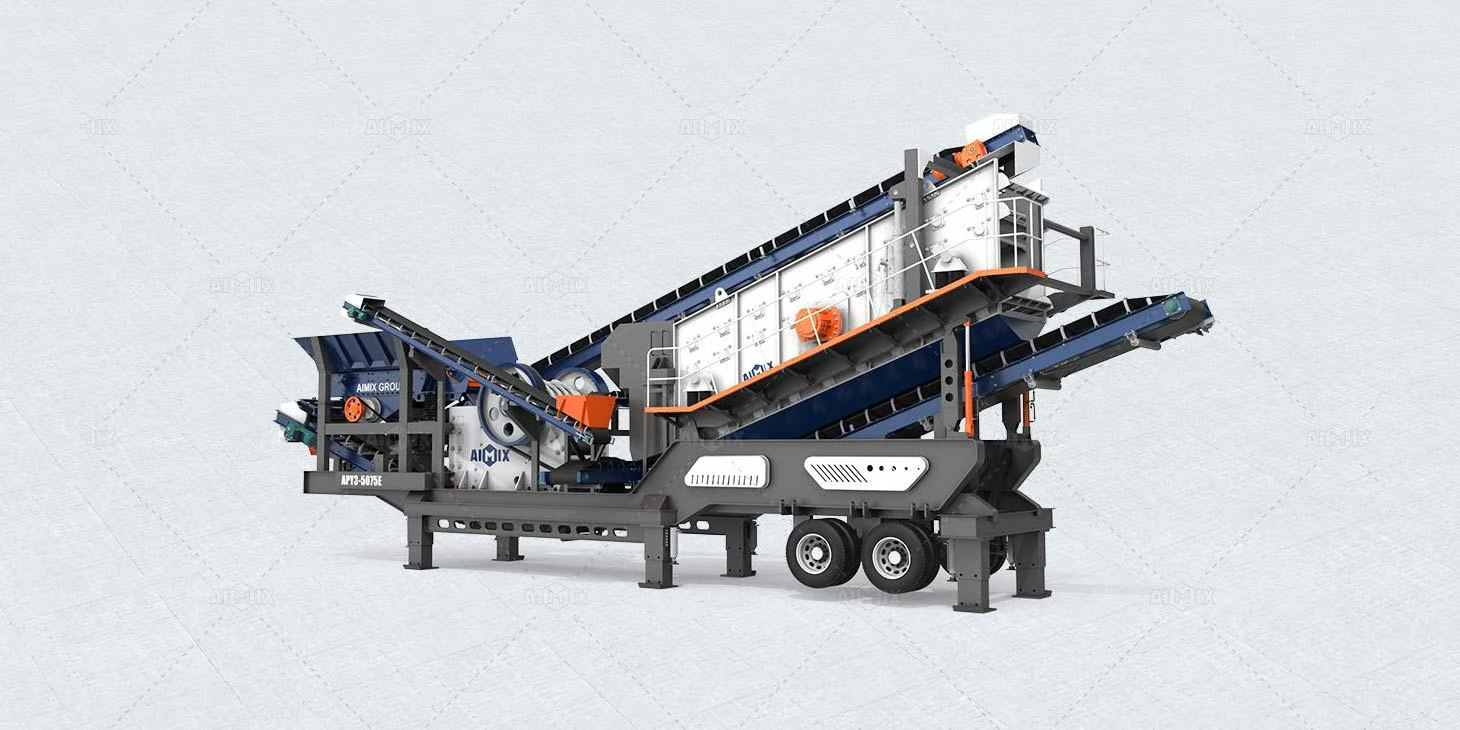
Use a jaw crusher for primary reduction. Then deploy a cone or impact crusher to shape the 5–20 mm product. Add a vibrating screen with 5 mm and 20 mm decks. This yields clean 0–5, 5–20, and 20–40 mm stockpiles. Recirculate oversize to improve shape and limit flaky particles.
Moisture and Stockpile Management
Moisture swings change the real water–cement ratio. Consequently, slump drifts and strength suffers. Cover fine aggregate, slope stockpiles, and probe moisture near the sand feeder. Short, frequent checks beat a single daily correction. Separate each fraction with clear bays to prevent contamination.
Quality Checks and Data Feedback
Run sieve analysis at start-up each shift and after any jual stone crusher change. Track fineness modulus for 0–5 mm. Log slump, air, temperature, and delivery time per truck. Then close the loop: trim feeder rates or tweak screen apertures per the data. This keeps PSD inside the target window.
Cost, Compliance, and Project Fit
A well-graded PSD lowers cement use; therefore, total cost falls. At the same time, steady grading supports national standards for durability and strength. For road work, tune fines to resist ravelling. For building frames, tune 5–20 mm for pumpability and strength. For infrastructure, deploy 20–40 mm where mass and economy matter. In short, fit the blend to the structure, not the other way around.
Conclusion: Start Right, Then Tune on Site
Use 0–5 mm for cohesion and pumpability, 5–20 mm for the strength skeleton, and 20–40 mm for volume and heat control. Begin with the baseline ranges. Test small changes. Track results. Step by step, you will lock in a PSD that saves cement, stabilizes slump, and improves durability.
Work with AIMIX for a Matched Solution
I help you choose crusher, screen, and layout that hit your PSD targets from day one. I also support trial mixes, sieve plans, and moisture routines. As a result, your batching plant runs steady and your concrete performs as designed. If you want a PSD plan tailored to your limestone source and project goals, contact AIMIX. I will review your drawings, target strengths, and site limits, then deliver a matched proposal. Let’s turn consistent grading into consistent profit—reach out now.
Articles similaires

What Is The Best Mobile Crushing Plant Solution For Remote Island Projects In Indonesia?
Remote island projects in Indonesia face high logistics and material challenges. Learn the best mobile crushing plant solutions for efficient on-site aggregate production, lower costs, and reliable performance in remote and difficult conditions.


