I evaluate whether a 60 m³/h concrete plant can reliably handle 1,000 m³/week—practical tips on scheduling, risks, and when to upgrade capacity.
Is a 60 m³/h Concrete Mixing Plant Fast Enough for Weekly 1,000 m³ Casting Schedules?
When I talk with contractors in Indonesia and Southeast Asia, one question appears again and again: “Can a 60 m³/h concrete mixing plant support my weekly 1,000 m³ casting plan?” It’s a real concern because project timelines keep getting tighter. Meanwhile, material supply delays bring huge risks. In this post, I want to explain the answer from a practical, on-site perspective, so you can judge whether a 60 m³/h concrete batch plant fits your schedule, budget, and construction rhythm.
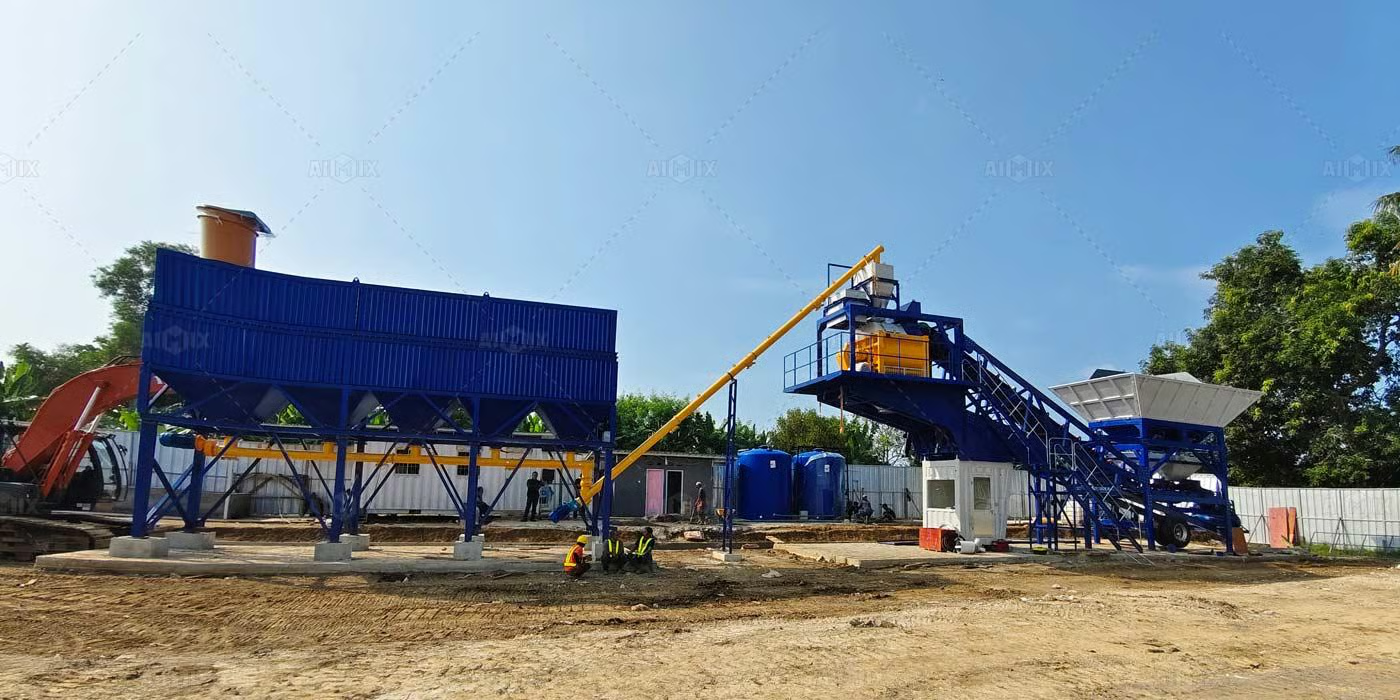
Understanding the Real Output of a 60 m³/h Batch Plant
Before diving into production planning, I want to clarify how much concrete a 60 m³/h ready mix concrete plant for sale actually produces. Although the nominal capacity is 60 m³/h, the real hourly output usually sits between 45–55 m³. This depends on factors such as mix design, work shift efficiency, material feeding, and truck dispatch coordination.
Because of this real-world variation, contractors often ask whether the difference matters for a weekly 1,000 m³ casting pace. To answer that clearly, we need to connect plant capacity to your actual daily schedule.
How Many Hours You Really Need Each Week
Let’s break it down. If your target is 1,000 m³ a week, and your average daily production window is 8–10 hours, then a 60 m³/h plant gives you:
360–450 m³/day of achievable production
1,080–1,350 m³/week under stable operation
This means that, under normal conditions, a 60 m³/h plant can meet your weekly 1,000 m³ plan. However, the real decision becomes clearer once we consider jobsite disruptions.
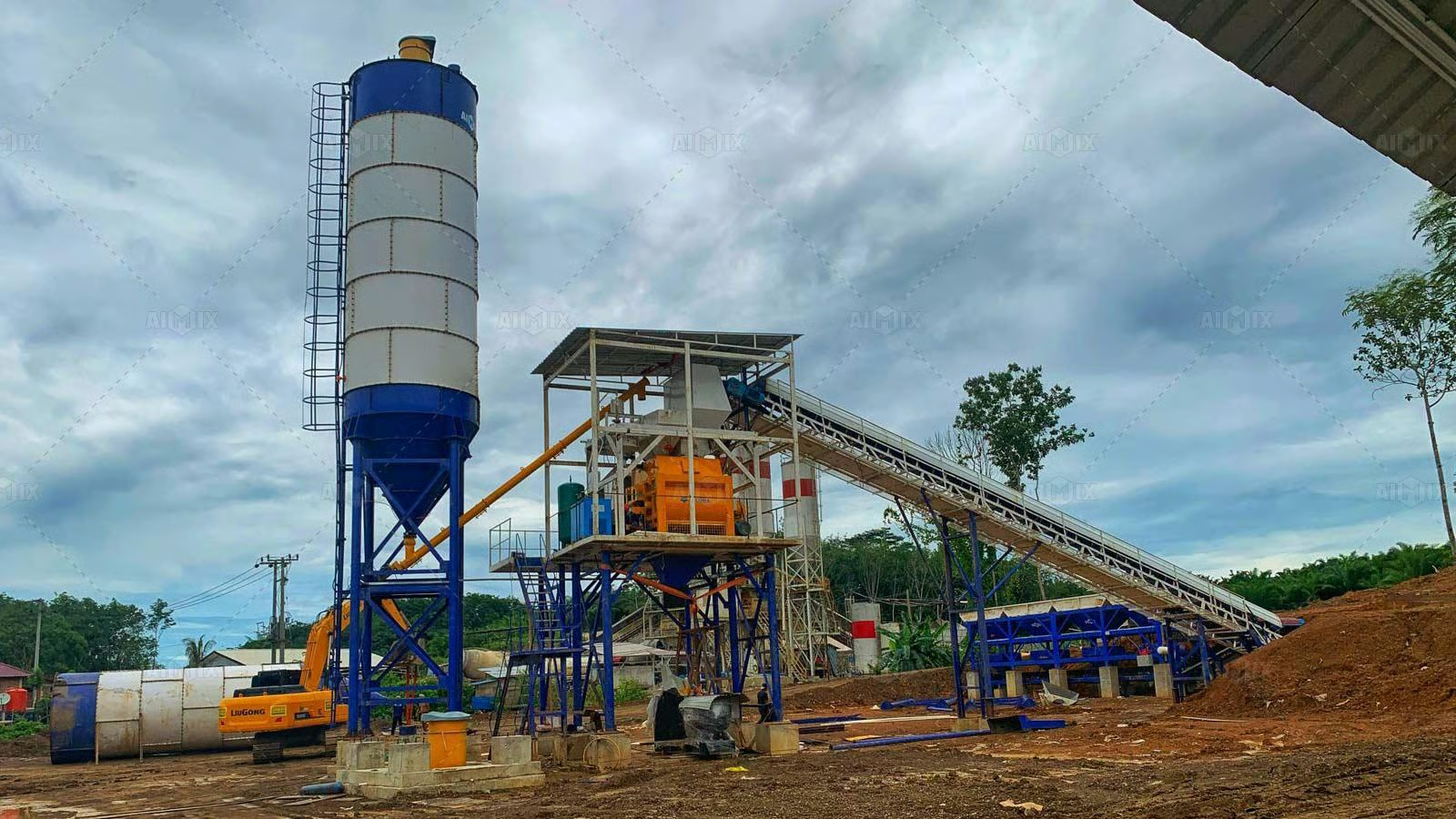
What Happens When Real-World Conditions Hit?
Even when the math works, construction rarely goes exactly as planned. This is why I always advise contractors to consider delays, material shortages, and peak-demand days. After all, no project runs in a perfect straight line.
Because of that, the next step is to look at common on-site challenges that affect production speed.
Loading and Truck Dispatch Efficiency
Your production rate depends heavily on how fast you load trucks and cycle them back to the plant. If trucks queue too long, you lose effective hourly output. On the other hand, coordinated dispatching increases output and helps the 60 m³/h jual batching plant stay consistent throughout the day.
Mix Design and Material Moisture
When your mix requires more cement or tighter slump control, the batching cycle may slow down. Wet aggregates can also reduce batching speed because your operator needs to adjust water content more often. These small slowdowns add up and influence the weekly total.
Power Stability and Weather Conditions
Rainstorms, extreme heat, and unstable electricity affect concrete production. Indonesia’s tropical climate makes this especially relevant. If your working area often faces sudden weather changes, you should include a safety margin when choosing plant capacity.
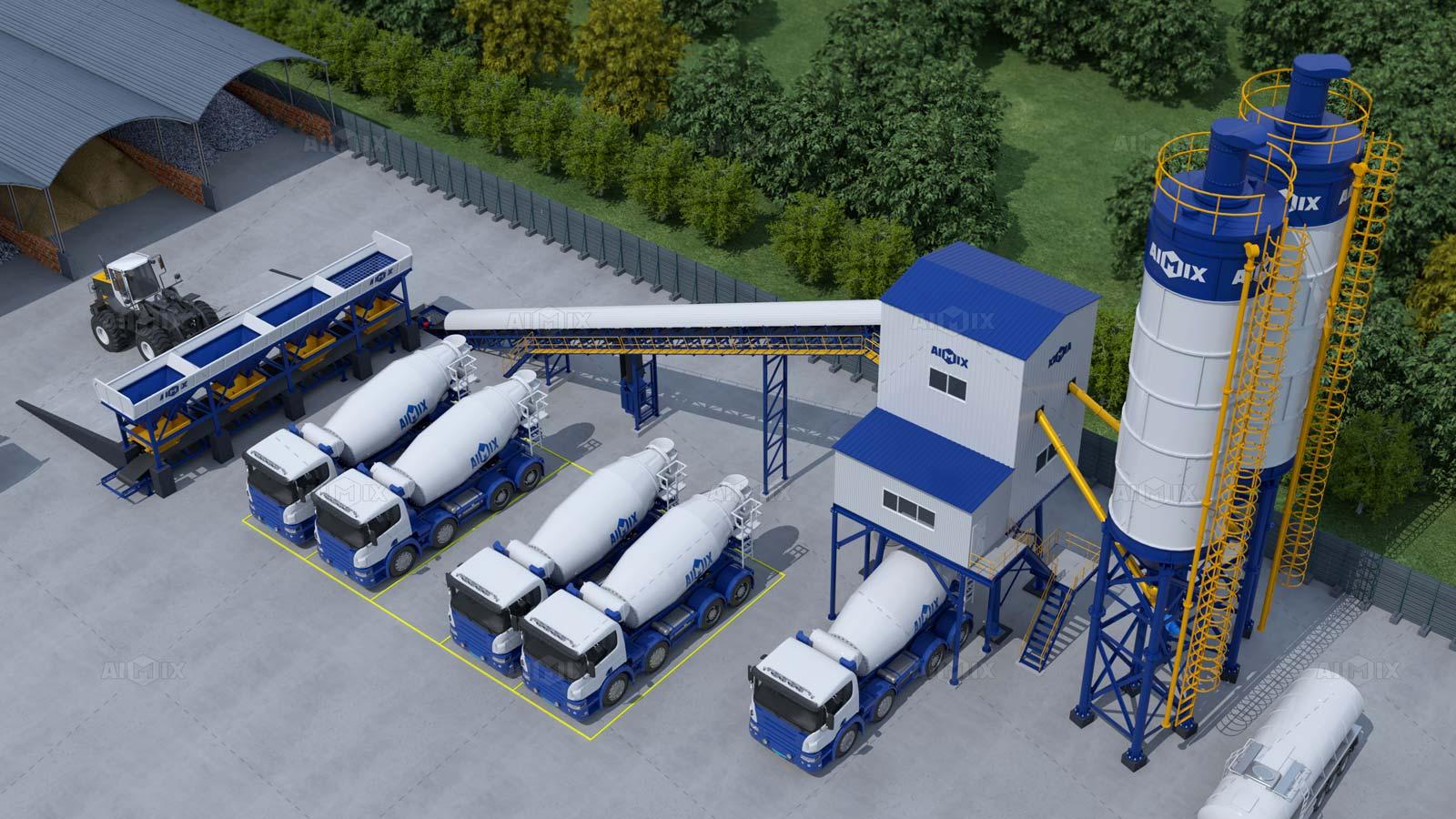
When a 60 m³/h Concrete Plant Is the Right Choice
After talking with many clients, I notice that a 60 m³/h plant works well when the project has predictable casting schedules. This includes housing clusters, mid-size buildings, precast yards, and road repair projects. In these cases, the output aligns well with daily needs, and the plant provides enough flexibility for unexpected delays.
Because of this flexibility, many clients choose 60 m³/h models to balance project demands with cost control. They want a plant that keeps production steady without over-investing in extra capacity that stays unused most days.
Ideal Scenarios for 60 m³/h Capacity
Weekly casting volume between 700–1,200 m³
8–10 hour work shifts
Stable demand without long continuous pours
Projects with moderate concrete travel distances
These characteristics show how the 60 m³/h plant fits many contractor needs. Yet, some projects demand more speed.
When You Should Consider a Larger Plant
If your project requires long, uninterrupted pours—such as bridges, foundations, industrial floors, or high-rise core walls—you may experience pressure with a 60 m³/h setup. Once you fall behind schedule during these pours, it becomes difficult to catch up.
Therefore, upgrading to a 75 m³/h or 90 m³/h plant can provide greater production stability. The extra capacity gives you more confidence on heavy casting days and reduces the risk of bottlenecks.
Signs You Need Higher Capacity
Daily demand above 300–400 m³
Continuous pouring exceeding 5–6 hours
Long travel distance to the jobsite
Strict deadlines with limited buffer time
In these situations, the upgrade helps you avoid production stress and ensures that your casting schedule remains stable.
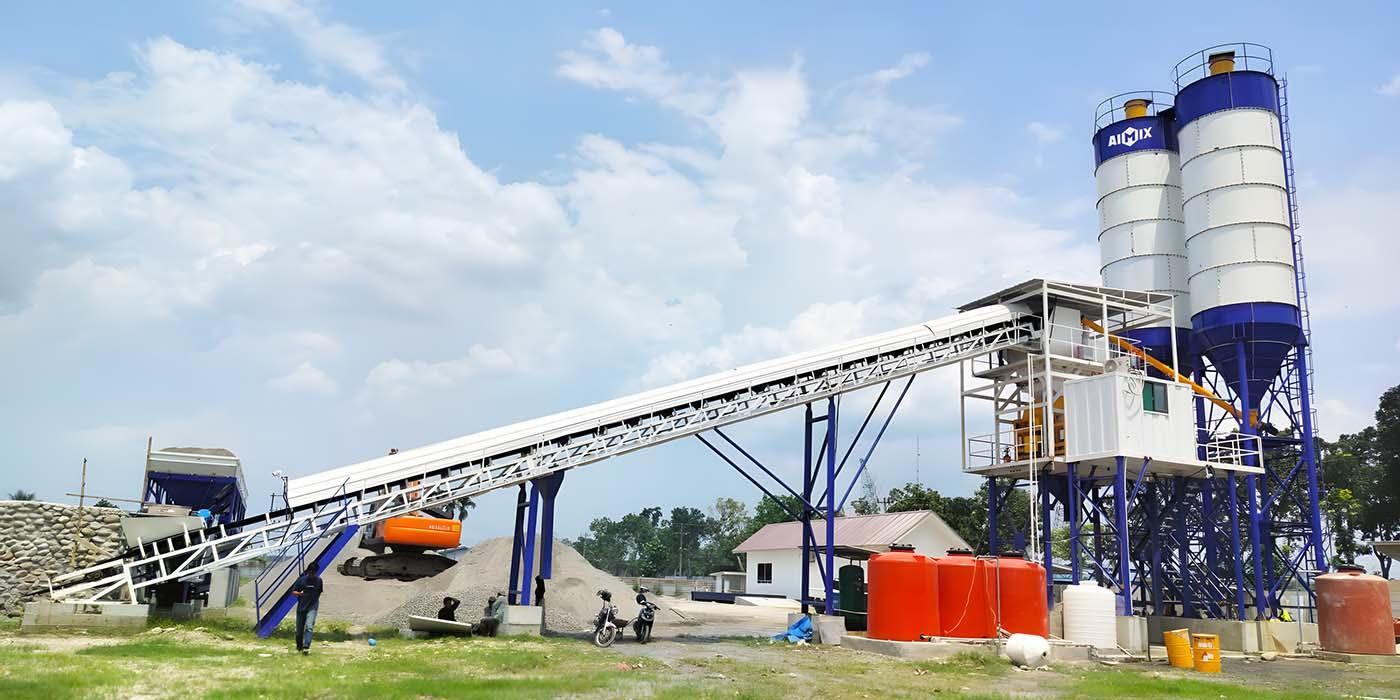
Final Thoughts: Choosing the Capacity That Matches Your Reality
Every project has its own rhythm. Because of that, the right plant capacity depends on actual casting patterns, transportation distance, and your risk tolerance. A 60 m³/h plant can meet weekly 1,000 m³ needs if your schedule is predictable and your work shifts stay steady. However, if your project is high-intensity or deadline-driven, larger capacity gives you more security.
Ready to Choose the Right Size for Your Project?
If you are planning a 1,000 m³ weekly casting schedule and want guidance on whether a 60 m³/h plant fits your project, I can help. I support contractors across Indonesia and Southeast Asia with real, on-site solutions—not just catalog specifications.
Contact me today for tailored advice and plant recommendations that match your budget, timeline, and casting rhythm.
Indonesia batching plant terdekat
Articles similaires

What Is The Best Mobile Crushing Plant Solution For Remote Island Projects In Indonesia?
Remote island projects in Indonesia face high logistics and material challenges. Learn the best mobile crushing plant solutions for efficient on-site aggregate production, lower costs, and reliable performance in remote and difficult conditions.


