A practical look at how a 60 m³/h concrete batching plant supports fast, stable, and cost-controlled rebuilding work in earthquake-affected areas of Sulawesi.
Is a 60 m³/h Concrete Batching Plant Enough for Rapid Rebuilding Projects After Earthquakes in Sulawesi?
After a major earthquake, time becomes the most valuable resource. In Sulawesi, where seismic activity is a real and recurring risk, contractors and local governments often face the same urgent question: how to rebuild faster without sacrificing quality. Concrete demand surges overnight. Roads, bridges, schools, hospitals, and housing must rise again, often under tight budgets and unstable site conditions. In this context, many project owners ask a practical question: is a 60 m³/h plant batch enough for rapid rebuilding projects after earthquakes in Sulawesi?
This question is not only about capacity. It is about logistics, reliability, labor efficiency, and real on-site performance. Let’s look at it step by step, from both an industry perspective and the contractor’s point of view.
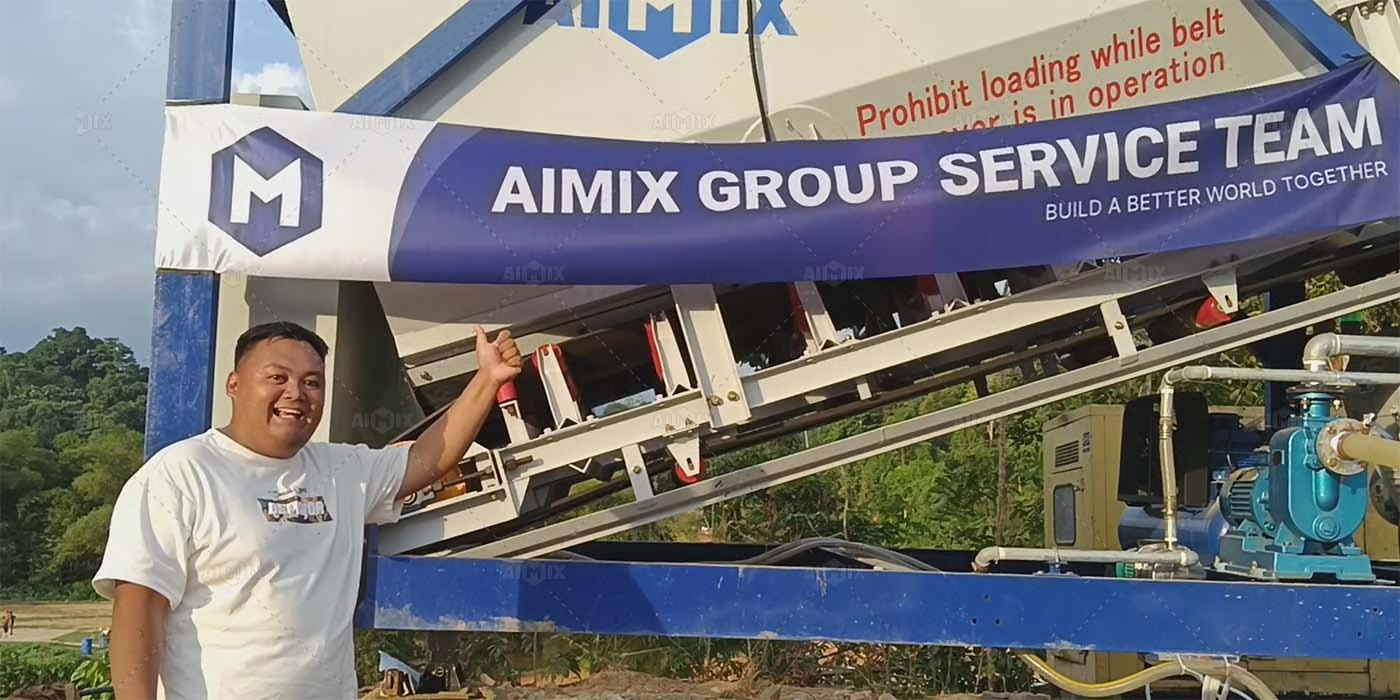
Understanding the Real Concrete Demand After an Earthquake
Before choosing plant capacity, it is important to understand what post-earthquake rebuilding actually looks like in Sulawesi.
Most rebuilding projects are not single mega projects. Instead, they involve many parallel works. These include low-rise housing clusters, damaged road sections, drainage systems, public buildings, and small bridges. As a result, concrete demand spreads across multiple sites rather than one massive pour.
A 60 m³/h ready mix batching plant can typically produce 360–480 m³ of concrete in a standard 6–8 hour shift. With extended shifts, output can go even higher. For many rebuilding zones, this daily volume already covers a significant portion of demand.
More importantly, demand often fluctuates. Some days focus on foundations. Other days focus on slabs or pavements. Therefore, flexibility matters as much as peak capacity.
Why 60 m³/h Is Often a Practical Sweet Spot in Sulawesi
Now that we understand demand patterns, the next question is why many contractors in Sulawesi lean toward 60 m³/h plants.
First, transportation and access conditions play a major role. After an earthquake, roads may be damaged. Site access can be narrow or unstable. Large stationary plants above 90 or 120 m³/h often require more space, heavier foundations, and longer installation time. In contrast, a 60 m³/h plant offers a more balanced footprint.
Second, power supply can be unstable in post-disaster areas. Medium-capacity batching plants place less stress on local power systems or generators. This directly reduces downtime, which is critical when schedules are tight.
As a result, many rebuilding teams find that 60 m³/h aligns better with real conditions on the ground.
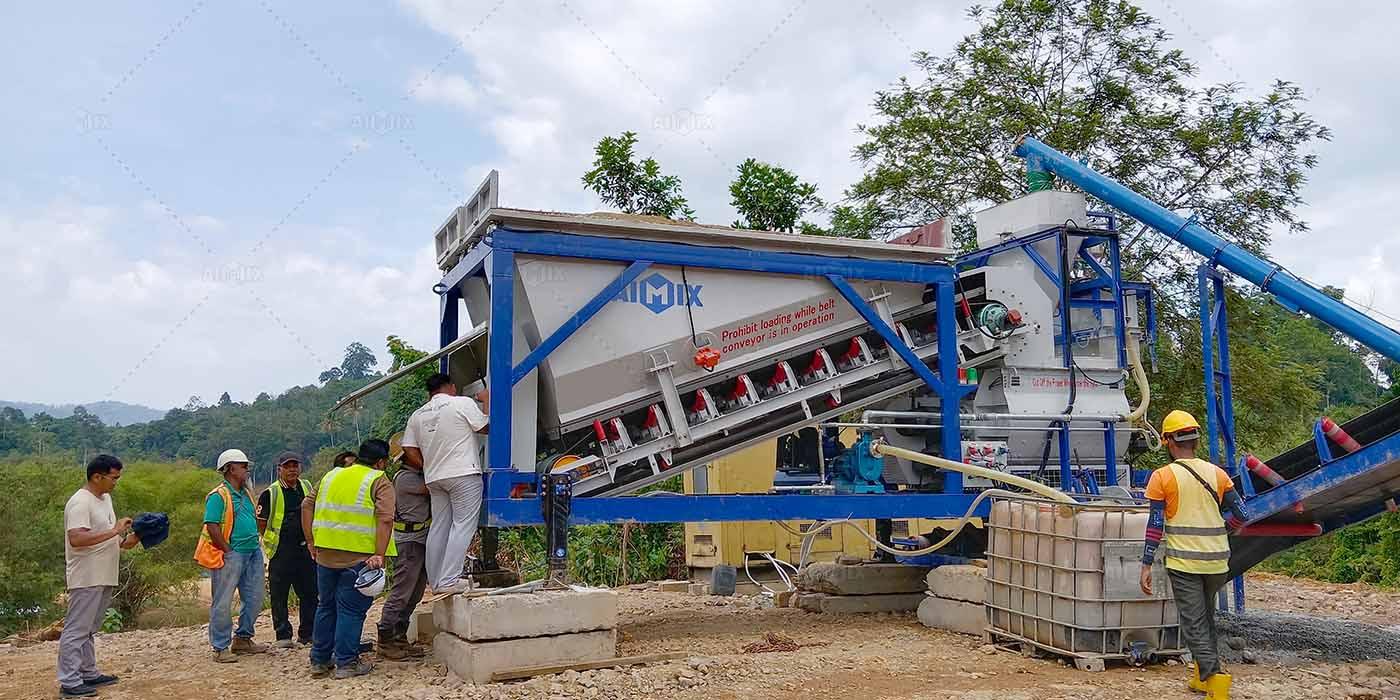
From Capacity to Continuity: What Really Matters on Site
However, capacity alone does not rebuild cities. Continuity does.
A 60 m³/h batching plant can run continuously with stable output. This consistency helps contractors plan daily pours with confidence. It also reduces the risk of cold joints and quality issues caused by delayed concrete supply.
In addition, medium-capacity plants are easier to operate with smaller crews. After earthquakes, skilled labor may be limited. A plant that requires fewer operators becomes a strategic advantage.
Because of this, many project managers prefer a plant that can run smoothly every day, rather than a larger plant that sits idle due to logistics or manpower issues.
Matching Plant Output With Common Rebuilding Structures
To make this more concrete, let’s look at typical structures.
A low-rise residential house may require 20–30 m³ of concrete. A small clinic or school block may need 150–300 m³ over several days. A 1 km damaged road section might consume 400–600 m³.
With a 60 m³/h plant, contractors can serve multiple sites in rotation. Morning pours can support housing. Afternoon pours can support infrastructure. This balanced workflow is often more realistic than attempting massive single pours.
Cost Control and Risk Reduction After Disasters
Another key factor is cost control.
Post-earthquake rebuilding budgets are often tight. Funding may come from government programs, NGOs, or emergency allocations. Every cost decision faces scrutiny.
A 60 m³/h concrete batching plant usually offers a lower initial investment than higher-capacity plants. It also reduces costs related to installation, foundation works, and maintenance. At the same time, it still delivers professional-grade concrete output.
From a risk perspective, medium-capacity plants are also easier to relocate. If rebuilding priorities shift to another area, moving the plant becomes more feasible. This mobility reduces long-term investment risk.
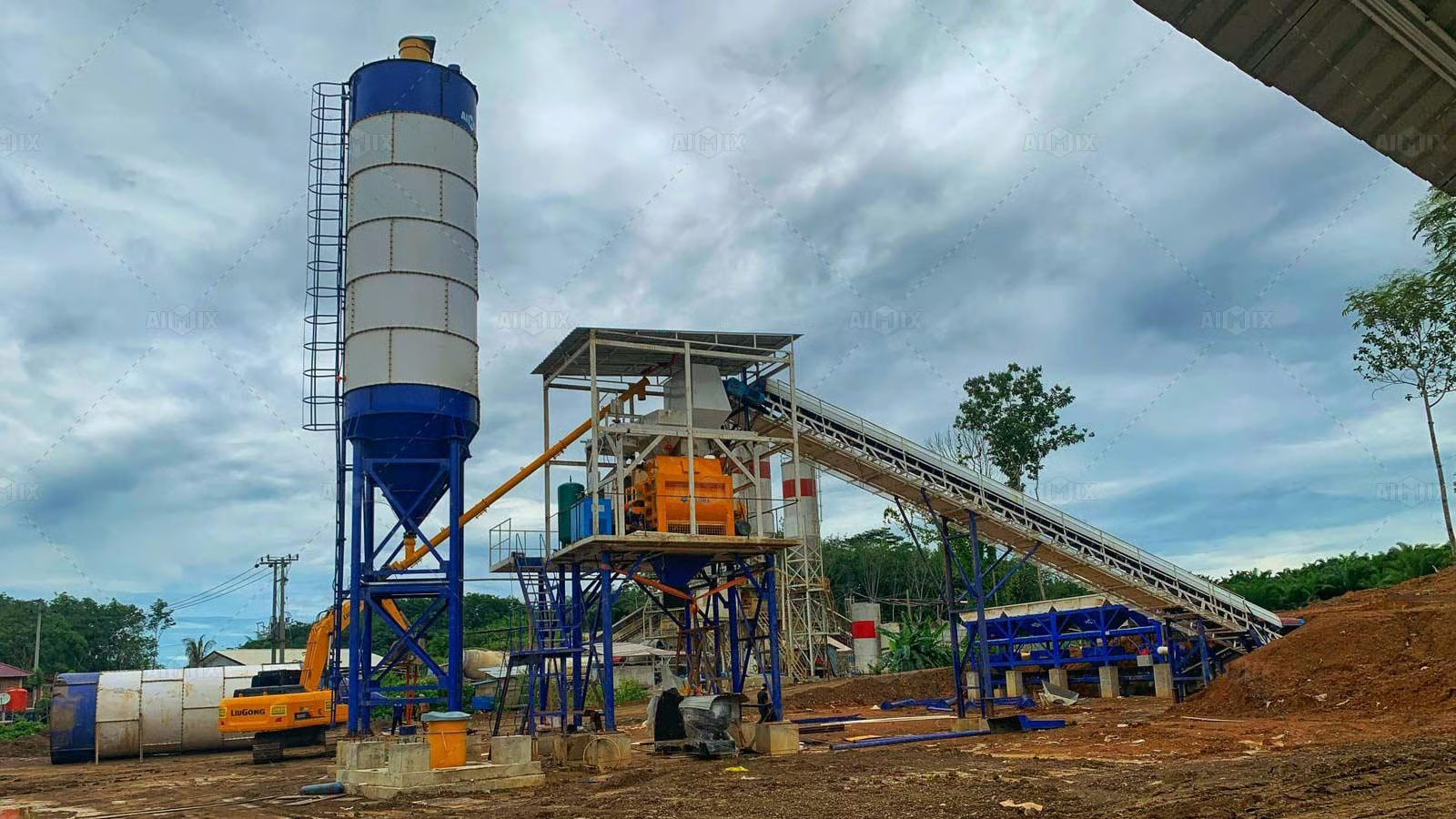
When a 60 m³/h Plant May Need Support
That said, no solution fits every scenario.
If a project involves large-scale bridge reconstruction or airport pavements, peak demand may exceed 60 m³/h. In such cases, contractors often pair the batching plant with optimized delivery schedules or temporary ready-mix support.
Alternatively, adding cement silos, aggregate storage, or faster mixers can help maximize the plant’s effective output. Therefore, smart configuration matters as much as nameplate capacity.
Choosing the Right Solution for Sulawesi’s Reality
So, is a 60 m³/h concrete batching plant enough for rapid rebuilding projects after earthquakes in Sulawesi?
In most cases, the answer is yes. It offers a strong balance between output, flexibility, cost control, and site adaptability. More importantly, it matches how rebuilding actually happens: step by step, across multiple sites, under real-world constraints.
For contractors, the right batching plant is not the biggest one. It is the one that works every day, under pressure, without surprises.
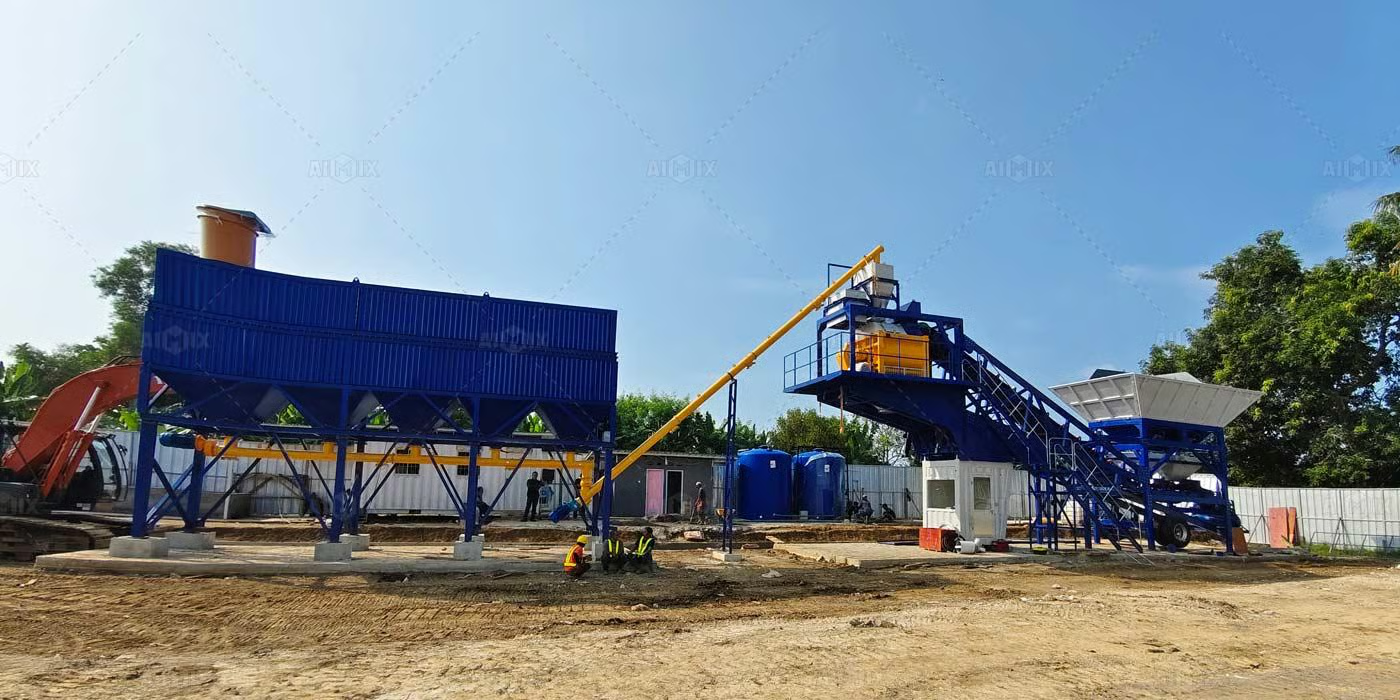
Move Faster, Build Smarter, Rebuild Stronger
In post-earthquake recovery, speed matters. Quality matters more. Choosing the right concrete batching plant can support both.
If you are planning rebuilding projects in Sulawesi and want a solution that balances capacity, reliability, and investment value, a well-configured 60 m³/h concrete batching plant is worth serious consideration.
Now is the time to rebuild smarter, not heavier. The right equipment choice today can accelerate recovery and strengthen communities for years to come. Learn about the overall concrete batch plant price at right!
Indonesia batching plant terdekat
Articles similaires

What Is The Best Mobile Crushing Plant Solution For Remote Island Projects In Indonesia?
Remote island projects in Indonesia face high logistics and material challenges. Learn the best mobile crushing plant solutions for efficient on-site aggregate production, lower costs, and reliable performance in remote and difficult conditions.


