A 21–25 m concrete boom pump with a pan mixer offers the reach, mobility, and on-site batching flexibility ideal for Indonesian townhouse projects. Explore if it fits your needs.
Is a 21–25 m Concrete Boom Pump with Pan Mixer in Indonesia Enough for Townhouse Projects?
As I speak with more Indonesian clients in the housing development sector, many ask the same question: “Is a 21–25 m concrete boom pump with a pan mixer enough for our townhouse projects?” I understand why this becomes a key concern. Townhouse sites often sit in tight urban areas, space is limited, concrete demand changes every day, and speed matters because every delay increases total project cost. In this post, I want to walk you through the real considerations, connect them with your project challenges, and show you when this boom concrete pump for sale fits perfectly—and when you may need to scale up.
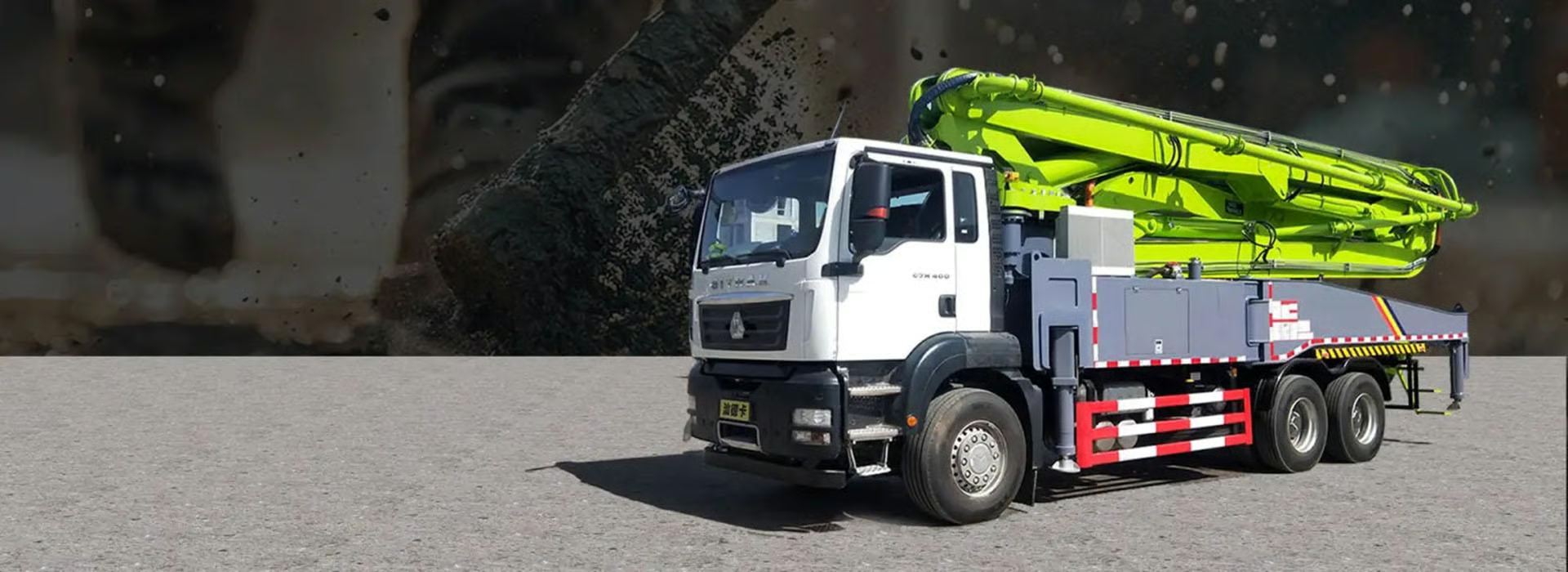
Why Townhouse Projects Have Unique Concrete Pumping Needs
Townhouse construction in Indonesia moves fast. Plots are smaller, block layouts repeat, and developers want consistent daily concrete outputs. Because of this, concrete equipment must be flexible, efficient, and easy to maneuver. A 21–25 m boom pump with a pan mixer often fits these demands. However, to help you judge properly, I’ll break things down from the ground reality you see on-site.
Before we go deeper into boom reach, logistics, and productivity, let’s look at what constrains your daily operation so we can link each factor together naturally.
How Boom Reach Affects Daily Pouring Efficiency
The first question most contractors ask is simple: “Can the boom reach every unit?” A 21–25 m boom generally reaches 3 to 5 storeys easily. Because most townhouse projects fall in this height range, the boom length usually covers slabs, columns, and beams without repositioning often. This reduces setup time and helps your team pour continuously.
Moreover, shorter booms allow smoother positioning on narrow streets inside gated townhouse clusters. Since many townhouse sites do not have wide turning areas, this mobility becomes a real advantage. And because you move the pump more efficiently, you minimize waiting time for each pour. Next, let’s link boom mobility with concrete production needs.
How the Pan Mixer Boosts On-Site Flexibility
Many Indonesian townhouse developers choose pumps with pan mixers because they want reliable on-site concrete production. With a pan mixer, you don’t depend on external ready-mix trucks that sometimes arrive late or deliver inconsistent slump. So you gain control of both quality and schedule.
A 21–25 m mesin concrete pump paired with a pan mixer often handles small daily batches well. For example, slab casting for several units per day only requires 10–20 m³. With stable mixing and continuous pumping, your team keeps the project moving without idle time. Now that we understand mixing flexibility, let’s connect it to site layout and productivity.
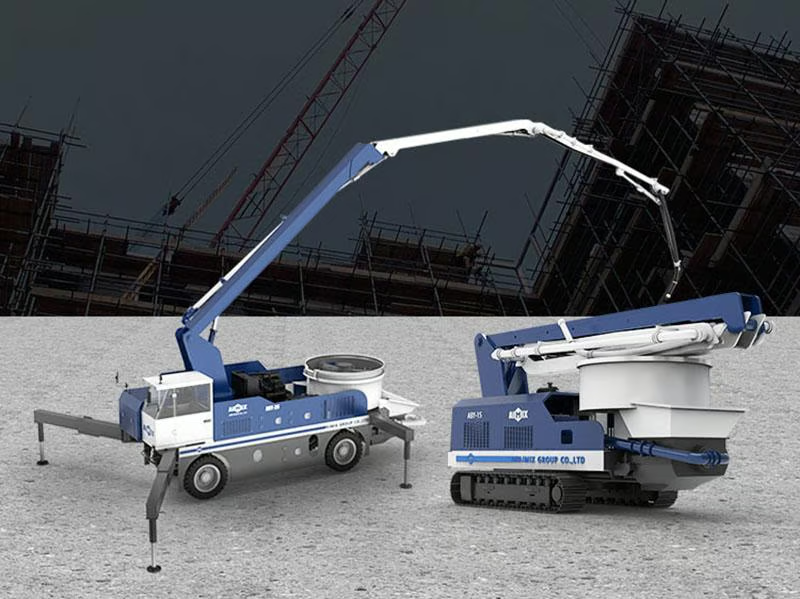
Why Compact Boom Pumps Fit Narrow Urban Sites
Urban townhouse sites in Jakarta, Bekasi, Surabaya, and Medan often face extreme space limits. Contractors struggle with equipment access and maneuvering room. Because a 21–25 m boom pump is compact, it fits entry lanes more easily than larger pumps.
Additionally, smaller stabilization legs require less setup space. This means you can position the pump right next to the unit you want to pour. As a result, you reduce pipeline length and improve pumping stability. Since site logistics often decide total project duration more than concrete output itself, equipment size matters more than many realize. After solving the mobility question, let’s move to productivity.
How Much Concrete Output Do You Really Need?
From my experience supporting Indonesian townhouse contractors, the daily concrete volume usually ranges from 10–40 m³ depending on the stage. A boom pump with a pan mixer suits these typical workloads. Because the pumping rate stays steady and the mixer produces constant batches, both match the real needs of townhouse development phases.
However, if you run a high-density project with simultaneous pours across many blocks, you may need a separate batching setup or a larger pump. But for small to mid-size clusters, the 21–25 m boom pump range remains efficient. Now, let’s combine all these points and look at labor and cost considerations.
The Cost and Labor Advantages for Developers
Because a 21–25 m boom pump consumes less fuel and needs fewer operators than larger pumps, your operating cost drops. You also reduce the number of workers needed for manual distribution because the boom places concrete directly at the point of pour.
Furthermore, on-site mixing avoids waiting hours for ready-mix trucks stuck in traffic. Time savings directly turn into lower labor cost per unit. After understanding cost impact, let’s look at reliability and safety because these factors influence your long-term investment.
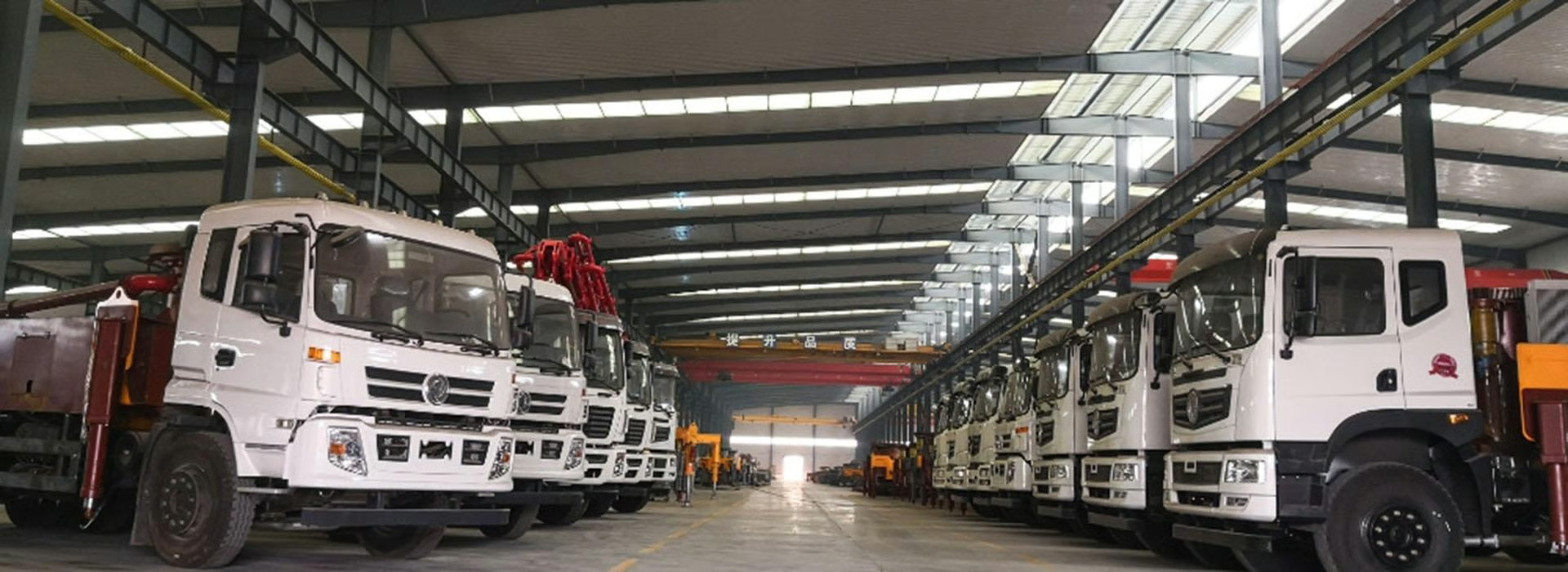
Safety and Reliability for Daily Townhouse Operations
Smaller booms are easier to stabilize and safer to operate in tight areas. Your team can set up faster, reduce operational risks, and keep pouring without interruption. Most developers want predictable performance every day, and this pump size delivers that consistency.
So when you combine reach, stability, mobility, and on-site mixing flexibility, the value of a 21–25 m mobil pompa beton becomes clear for townhouse projects. With all points connected, you can now assess whether this range suits your exact project.
Is a 21–25 m Boom Pump with Pan Mixer Enough? My Final Conclusion
Yes, for most Indonesian townhouse projects, this configuration is enough. It covers height, supports flexible batching, saves time, reduces labor, and fits narrow sites. Only when your project involves large-scale simultaneous pouring or higher building heights do you need to consider a bigger pump or full batching plant.
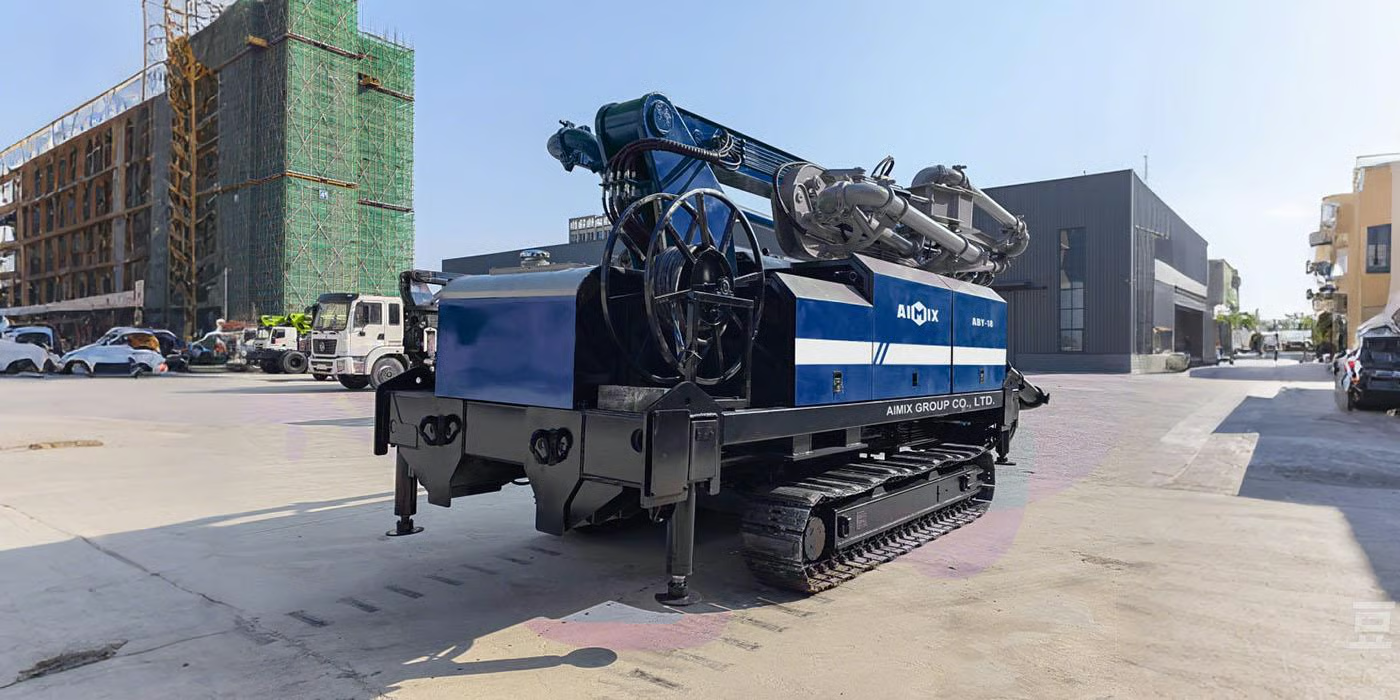
Why I Recommend AIMIX for Townhouse Pumping Solutions
If you want reliable performance, simple operation, and responsive service, I recommend choosing a 21–25 m concrete boom pump with a pan mixer from AIMIX. I help many Indonesian clients select the right model based on real on-site needs, unit spacing, block layout, and daily concrete demand. Because AIMIX provides full after-sales support, fast parts delivery, and installation guidance, you get a complete solution instead of just a machine.
If you want me to help you choose the right pump for your townhouse project, feel free to contact me anytime. I’m ready to discuss your site layout, concrete volume, and project schedule so you get the most practical and reliable solution.
Articles similaires

What Is The Best Mobile Crushing Plant Solution For Remote Island Projects In Indonesia?
Remote island projects in Indonesia face high logistics and material challenges. Learn the best mobile crushing plant solutions for efficient on-site aggregate production, lower costs, and reliable performance in remote and difficult conditions.


