
Is a 150 TPH stone crusher plant enough to supply multiple batching plants in Indonesia? Learn how to match crusher capacity with real concrete demand.
Is a 150 TPH Stone Crusher Plant Enough for Multiple Batching Plants in Indonesia?
Many contractors in Indonesia are expanding their concrete production. They plan to operate several batching plants at the same time. As a result, they ask an important question: Is a 150 TPH stone crusher plant near me enough to supply multiple batching plants?
This question matters. Aggregate supply affects concrete quality, production speed, and project profit. If the crusher capacity is too small, batching plants will stop. If it is too large, investment costs will increase.
So, how can you make the right decision? Let’s explore this topic from a contractor’s perspective.
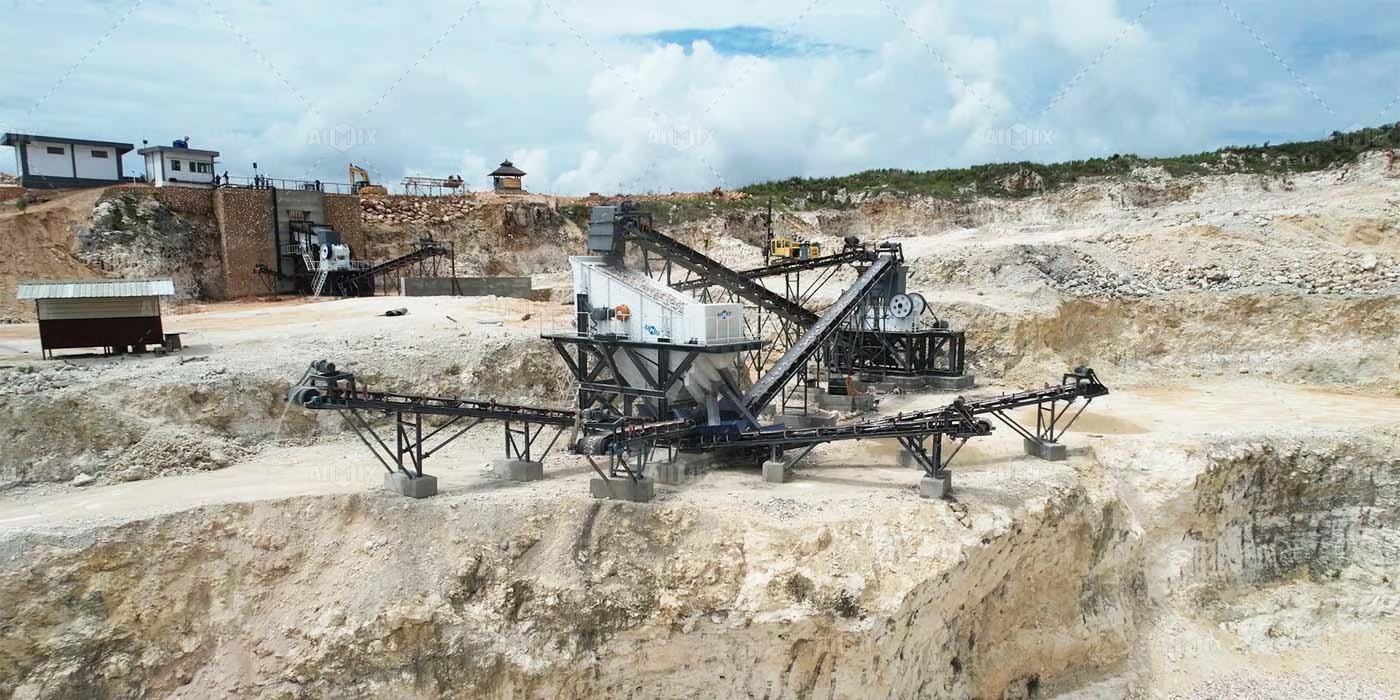
Understanding the Real Demand of Batching Plants
Before choosing a crusher plant, you need to understand aggregate demand. Batching plants consume large volumes of sand and gravel every hour. The demand depends on concrete output, project scale, and working hours.
For example, a 60 m³/h batching plant may consume around 90–120 tons of aggregates per hour. A 120 m³/h crusher machine plant may consume more than 200 tons per hour. Therefore, one batching plant already requires a strong aggregate supply.
Now imagine you operate two or three batching plants. The aggregate demand will multiply quickly.
Therefore, the next step is to analyze whether 150 TPH is enough.
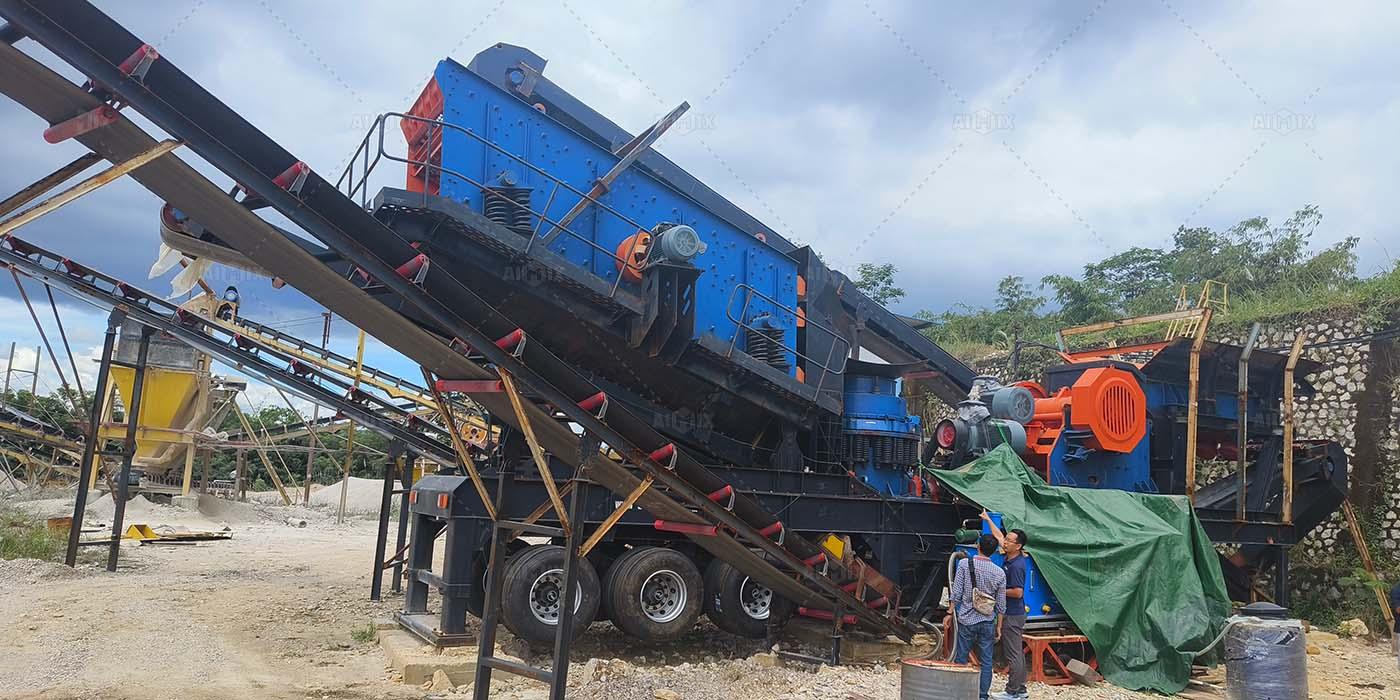
Is 150 TPH Crusher Capacity Enough?
A 150 TPH stone crusher plant means it can produce around 150 tons of aggregates per hour under ideal conditions. This capacity suits many medium-scale projects.
However, real production is often lower. Moisture content, raw material hardness, and operator skills affect output. In practice, you may get 120–140 TPH stable production.
So, can this supply multiple batching plants? The answer depends on your setup.
Scenario 1: Supplying One Medium Batching Plant
If you operate one 60–90 m³/h batching plant, a 150 TPH crusher plant is usually enough. You will have stable aggregate supply. You can also store aggregates in stockpiles for peak production.
Scenario 2: Supplying Two Batching Plants
If you run two batching plants, the situation changes. Two 60 m³/h concrete batch plants may need more than 200 tons of aggregates per hour. In this case, a 150 TPH crusher plant will struggle during peak hours.
You may face batching plant downtime. This will increase production costs and delay project schedules.
Scenario 3: Supplying Three or More Plants
For three batching plants, a 150 TPH crusher is usually not enough. You will need at least 250–300 TPH capacity or multiple crusher lines.
Therefore, capacity planning is critical.
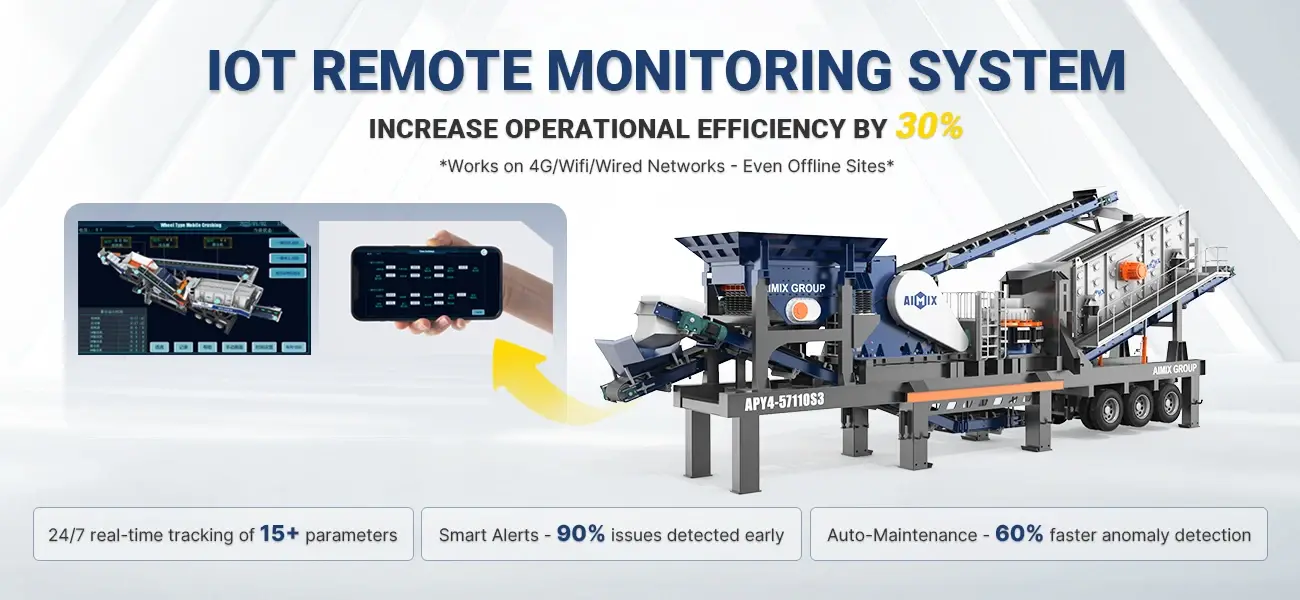
Why Indonesian Contractors Should Care About Crusher Capacity
Indonesia has a booming construction market. Infrastructure projects, housing developments, and commercial buildings are expanding fast.
Concrete demand is growing. Contractors want to control aggregate supply instead of buying from external suppliers.
A dedicated crusher plant helps reduce material costs. It also ensures consistent aggregate quality. Moreover, it improves project independence.
However, underestimating crusher capacity can cause serious problems.
Key Factors That Affect Aggregate Demand
To make a smart decision, you should consider several factors.
Concrete Production Volume
First, check your batching plant capacity. Higher concrete output means higher aggregate consumption.
Operating Hours
Next, consider working hours. If your plant runs 10 hours per day, you can balance production with stockpiling. If you run 24/7, you need higher crusher capacity.
Project Schedule
Tight deadlines require continuous aggregate supply. Delays can cause penalties and reputation damage.
Material Type
Hard rock like basalt reduces crusher output. Soft limestone increases output. Therefore, material type matters.
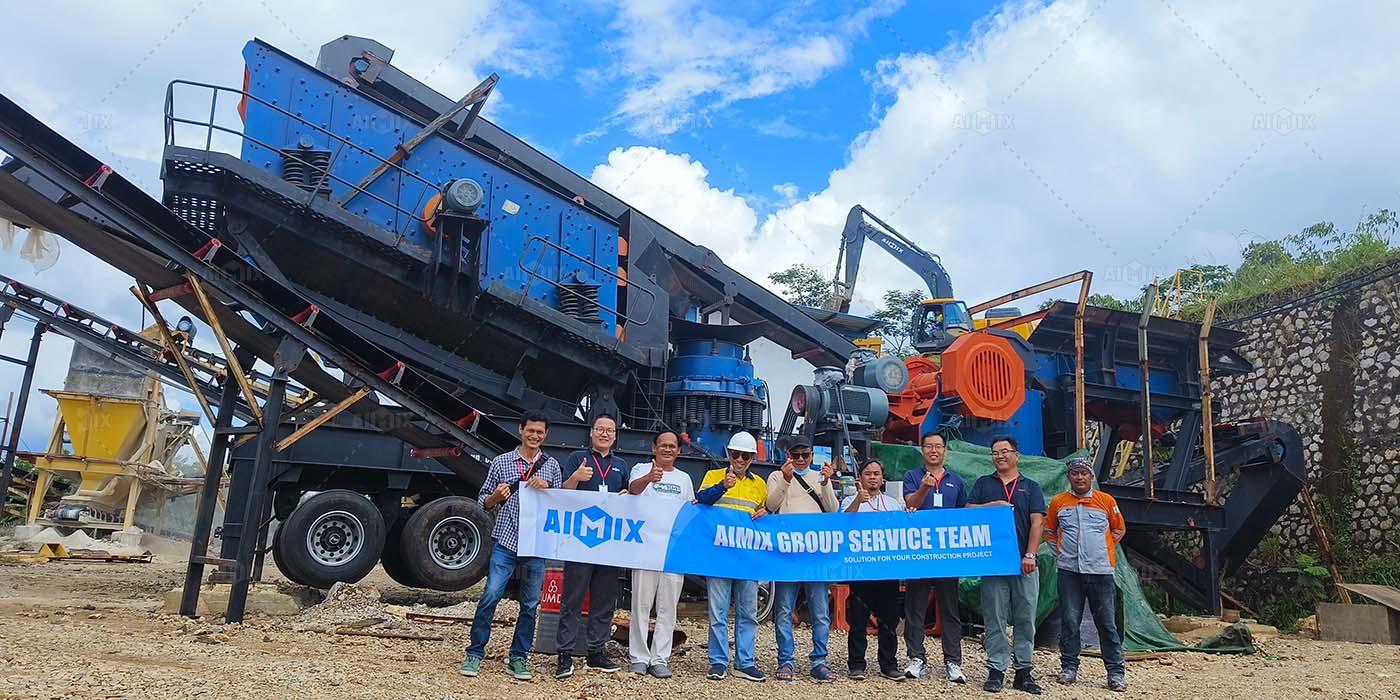
How to Optimize a 150 TPH Crusher for Multiple Plants
If you already have a 150 TPH crusher plant, you can still optimize its performance.
Build Aggregate Stockpiles
You can produce aggregates during off-peak hours and store them. This buffer helps during high demand.
Improve Crushing Efficiency
Use proper screening and secondary crushing. Optimize crusher settings. Train operators well.
Use Mobile Crushers
Mobile crushers can support your main plant. They provide flexible production near project sites.
Upgrade in Phases
You can start with 150 TPH and expand later. Modular designs make upgrades easier.
Comparing 150 TPH vs Larger Crusher Plants
Many contractors compare 150 TPH with 200 TPH or 300 TPH crusher plants.
A 150 TPH plant has lower investment costs. It suits medium projects and single batching plants.
A 250–300 TPH plant requires higher investment. However, it supports multiple batching plants and large infrastructure projects.
Therefore, your long-term business plan should guide your choice.
Typical Use Cases in Indonesia
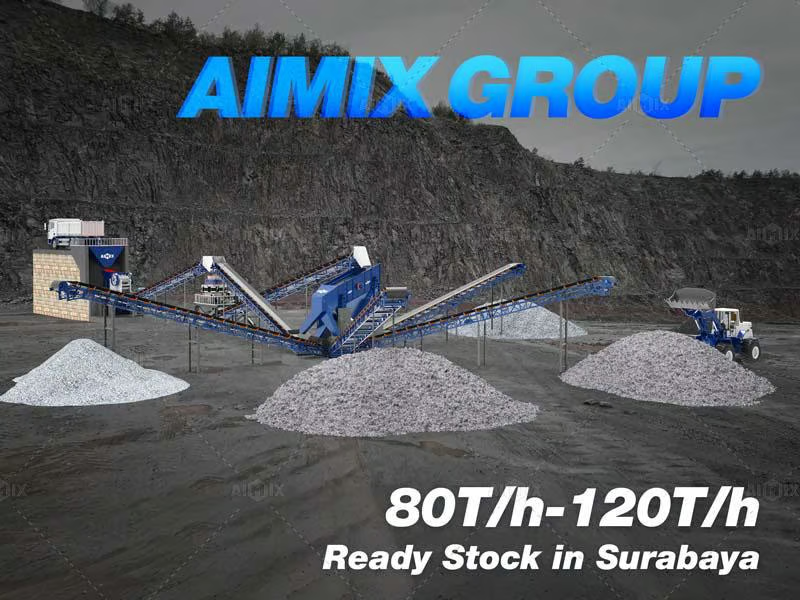
In Indonesia, a 150 TPH crusher plant is popular for:
• Small to medium concrete batching plants
• Local housing and commercial projects
• Quarry operations supplying local contractors
• Road maintenance projects
For highways, airports, and large bridges, contractors usually choose 250 TPH or higher.
Cost Considerations for Contractors
Investment cost is a key concern. A 150 TPH crusher plant costs less than larger systems. It also consumes less power and requires fewer operators.
However, downtime costs more than equipment. If batching plants stop, labor and trucks remain idle. This hidden cost is often higher than the initial investment.
Therefore, you should balance CAPEX and operational risk.
How to Choose the Right Configuration
Choosing the right crusher configuration is not only about capacity.
You should consider:
• Primary crusher type (jaw or impact)
• Secondary and tertiary crushers
• Screening system
• Conveyor layout
• Automation and control system
A well-designed plant improves efficiency and reduces maintenance costs.
Future Expansion Planning
Many Indonesian contractors plan to expand their batching plant network. Therefore, future expansion is important.
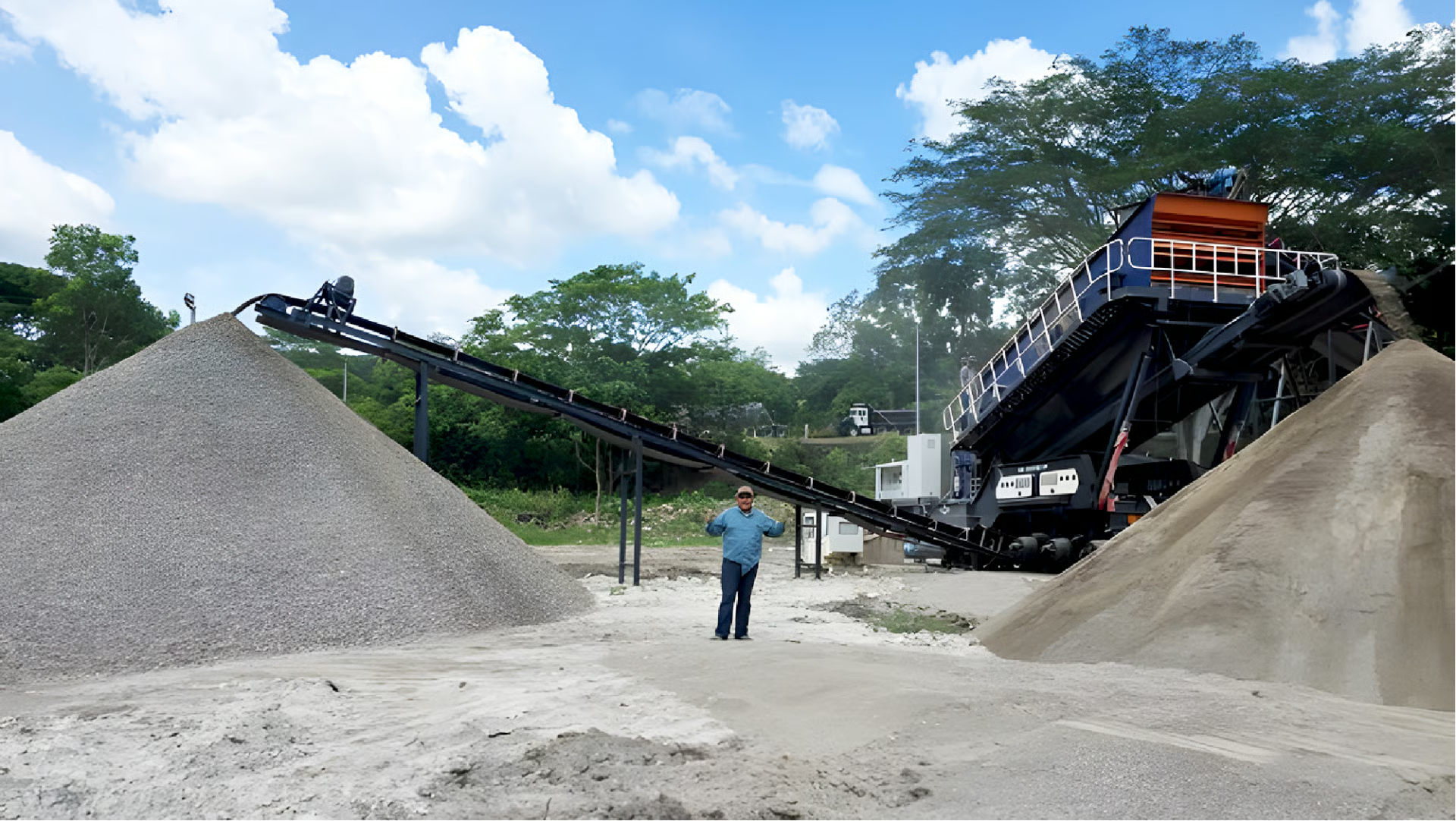
You can choose a modular crusher plant. You can add crushers, screens, and conveyors later. This approach reduces initial investment while keeping expansion options open.
Final Recommendation for Indonesian Contractors
So, is a 150 TPH stone crusher plant enough for multiple batching plants in Indonesia?
Yes, it is enough for one medium batching plant. It may support two plants with stockpiling and good planning. However, it is not ideal for three or more batching plants.
If you plan large infrastructure projects, consider higher capacity solutions. This will ensure stable production and protect your project schedule.
At AIMIX, we provide customized crusher solutions for Indonesian contractors. We help you analyze production demand, project scale, and budget. Then, we design the best configuration for your business.
Contact us today to discuss your project. Let’s build a reliable aggregate supply system for your batching plants and grow your construction business together.
Crusher plant Indonesia batching plant terdekat
Articles similaires

What Is The Best Mobile Crushing Plant Solution For Remote Island Projects In Indonesia?
Remote island projects in Indonesia face high logistics and material challenges. Learn the best mobile crushing plant solutions for efficient on-site aggregate production, lower costs, and reliable performance in remote and difficult conditions.


