Learn how a 100 TPH asphalt plant can fulfill government road project requirements with a weekly target of 2,500 tons. Get informed on optimal solutions today.
Is a 100 TPH Asphalt Plant Ideal for Government Road Projects with Weekly Output Target of 2,500 Tons?
When planning government road projects, especially in regions like Indonesia where infrastructure is rapidly developing, choosing the right asphalt mixing plant amp is critical. If your project has a weekly production target of around 2,500 tons, you might be wondering — is a 100 TPH (tons per hour) asphalt plant enough to meet that goal? In this article, we’ll break it down based on actual project timelines, site conditions, and performance expectations to help you make a confident decision.
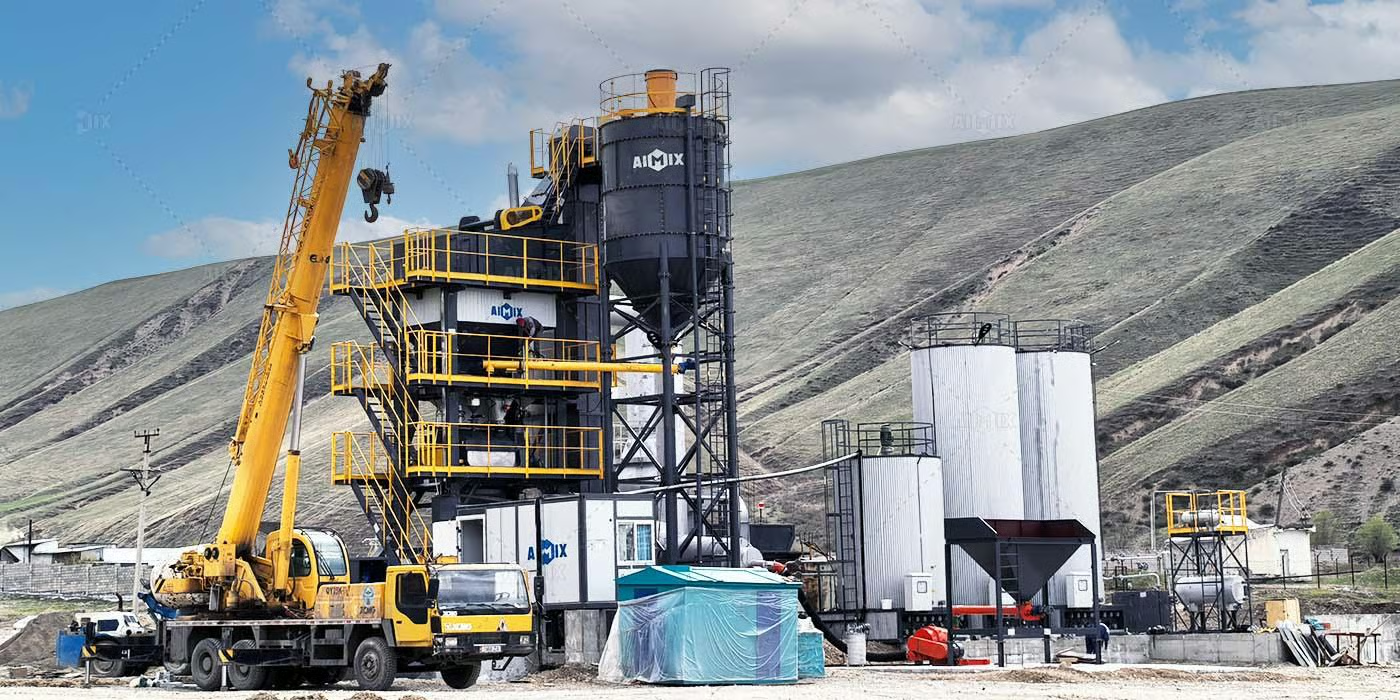
Understanding the Math: Can 100 TPH Deliver 2,500 Tons Weekly?
To evaluate if a 100 TPH plant is suitable, we must look at the numbers. A 100 TPH asphalt mixing plant can theoretically produce 100 tons of finished hot mix asphalt per hour. Assuming an average daily operation of 8 hours and a 6-day workweek:
Weekly Output Calculation
100 tons/hour × 8 hours/day × 6 days/week = 4,800 tons/week
Even with some downtime or maintenance, achieving 2,500 tons per week is well within range. In fact, your plant would likely be running at just over 50% of its capacity — leaving room for schedule flexibility, material variability, or unexpected site delays.
Why Not Go Bigger? Balancing Investment and Demand
At this point, you might ask — should I consider a 120 or 160 TPH plant instead? While higher capacity sounds attractive, it’s not always the most cost-effective or efficient choice.
Key Considerations
Fuel and Energy Use: Bigger plants often consume more fuel even when operating under partial loads.
Upfront Investment: Higher capacity plants come with higher capital costs, which may not be justified for mid-sized road projects.
Space and Transport: A 100 TPH asphalt plant typically has a smaller footprint, making it easier to install near the project site — especially in remote or narrow areas.
In many government-funded road projects with moderate throughput, a 100 TPH asphalt plant strikes the right balance between production efficiency and cost control. Get to know the harga hotmix amp at right!
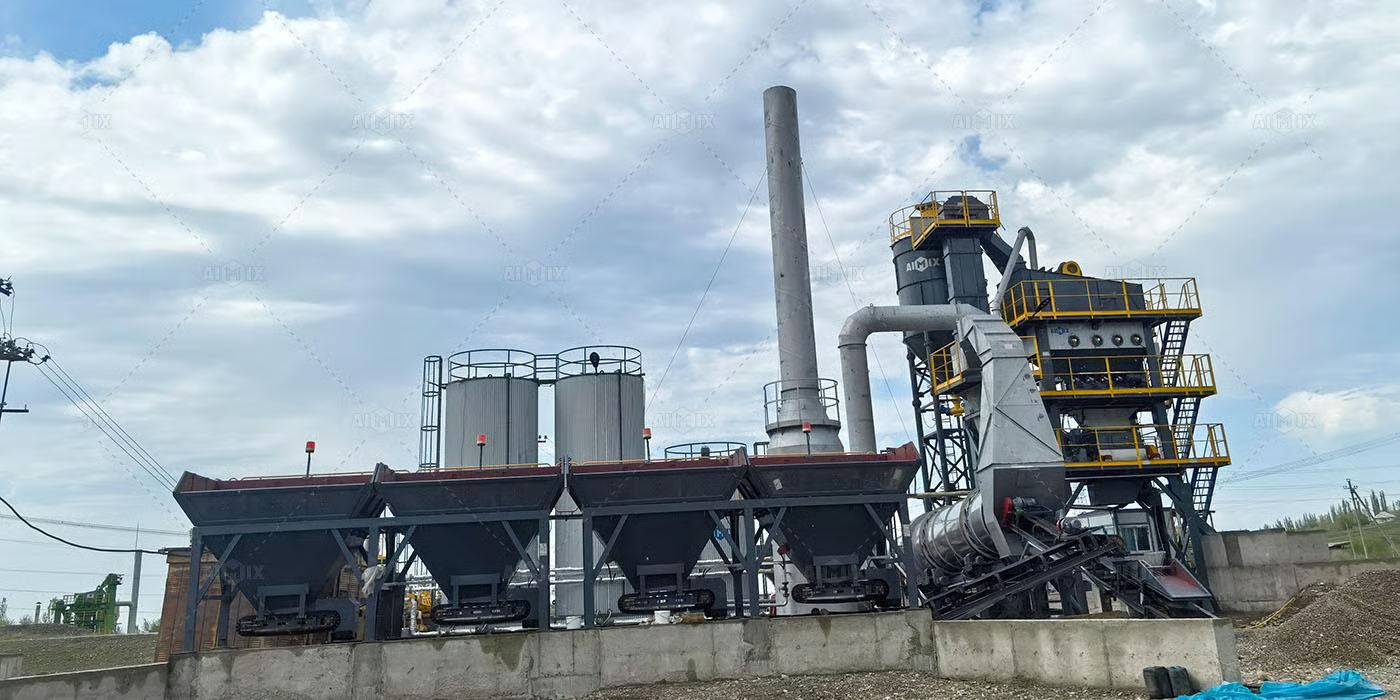
Project Suitability: What Types of Government Roads Fit This Capacity?
Let’s relate this to real-world road construction. A weekly target of 2,500 tons usually supports:
4–5 km of two-lane pavement construction per week (assuming 7–10 cm thickness)
Provincial or district road upgrades
Maintenance of national highways in segments
This capacity is especially ideal for projects spread over different islands or urban zones, where compact setup and quick mobility matter more than extreme throughput.
Adapting to Terrain, Climate, and On-Site Challenges
In Indonesia, varying terrain and weather patterns demand reliable equipment. A 100 TPH plant is typically configured for consistent output with stable temperature control. When placed near the construction zone, it reduces hauling time and improves the final pavement quality — especially important for tropical regions with high rainfall or humidity.
Optional Features That Make a Difference
Dust collection systems for clean, compliant operations
Modular design for easy disassembly and relocation
Control system upgrades for real-time production monitoring
These features increase operational stability, especially when you’re managing public-sector deadlines and audits.
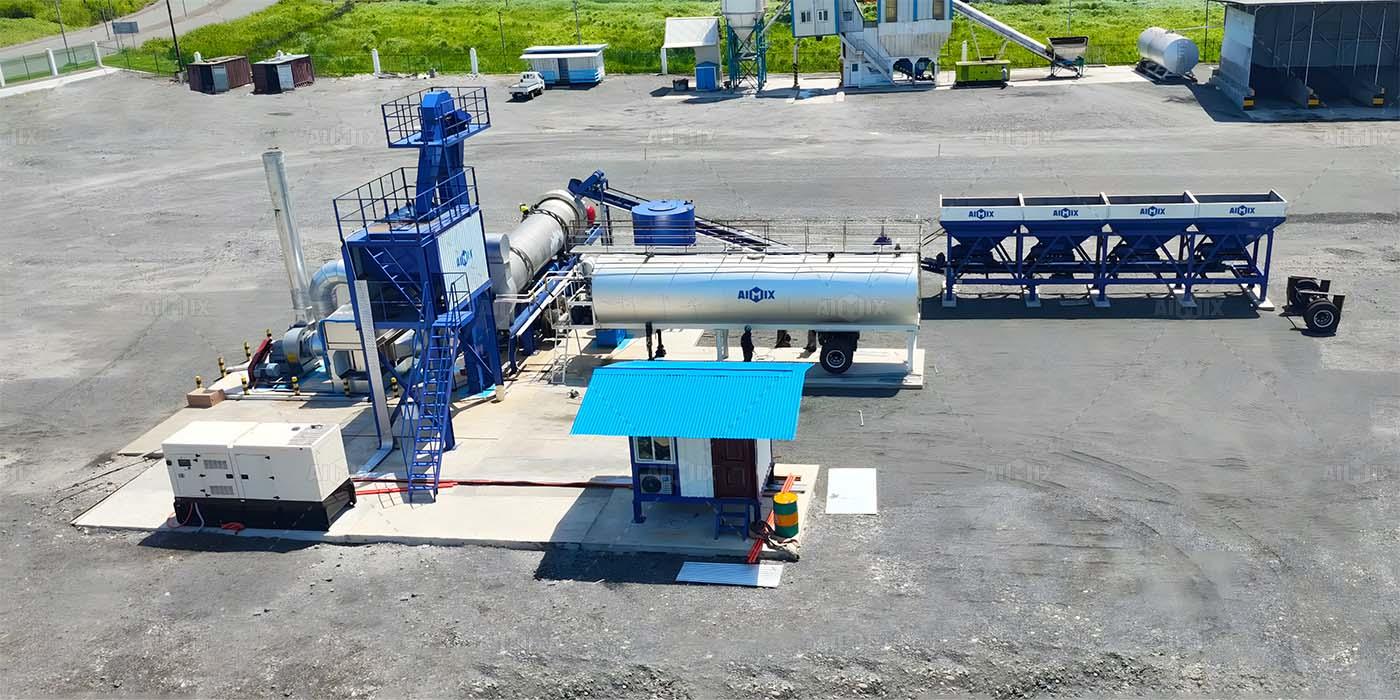
What About RAP Integration?
If your project includes recycled asphalt pavement (RAP), a 100 TPH batch mix plant can still perform well. Modern designs support up to 20–30% RAP usage, helping reduce raw material costs and align with green construction practices.
Final Verdict: A Smart Match for Medium-Scale Government Projects
For government road projects with weekly targets of around 2,500 tons, a 100 TPH asphalt plant is not only sufficient — it’s optimal. It offers enough capacity to meet deadlines while keeping operating costs in check. The compact layout, fuel efficiency, and adaptability make it especially suitable for infrastructure programs across Southeast Asia.
Need a 100 TPH Asphalt Plant for Your Next Project?
At AIMIX Indonesia, we provide complete asphalt mixing solutions tailored to your project’s scale and timeline. Our 100 TPH asphalt plants are already serving public road projects across Indonesia — from Kalimantan to Sumatra. With local after-sales support and ready stock in our Indonesian warehouses, you’ll enjoy fast delivery and responsive service.
If you're looking to improve efficiency, cut costs, and meet public construction targets with confidence, contact us today to learn how our 100 TPH asphalt plant can fit your next project.
Asphalt Mixing Plant Indonesia
Articles similaires

What Is The Best Mobile Crushing Plant Solution For Remote Island Projects In Indonesia?
Remote island projects in Indonesia face high logistics and material challenges. Learn the best mobile crushing plant solutions for efficient on-site aggregate production, lower costs, and reliable performance in remote and difficult conditions.


