
Learn how to select the right asphalt batch plant size for a long-term asphalt selling business in Indonesia, based on demand, budget, and growth plans.
How to Select Asphalt Batch Plant Size for Long-Term Asphalt Selling Business in Indonesia?
Starting an asphalt selling business in Indonesia requires careful planning. One of the most critical decisions you need to make is selecting the right asphalt batch plant size. The right plant ensures consistent production, meets customer demand, and maximizes profitability. In this guide, we will explain everything you need to know about choosing the ideal asphalt batching plant for a long-term business.
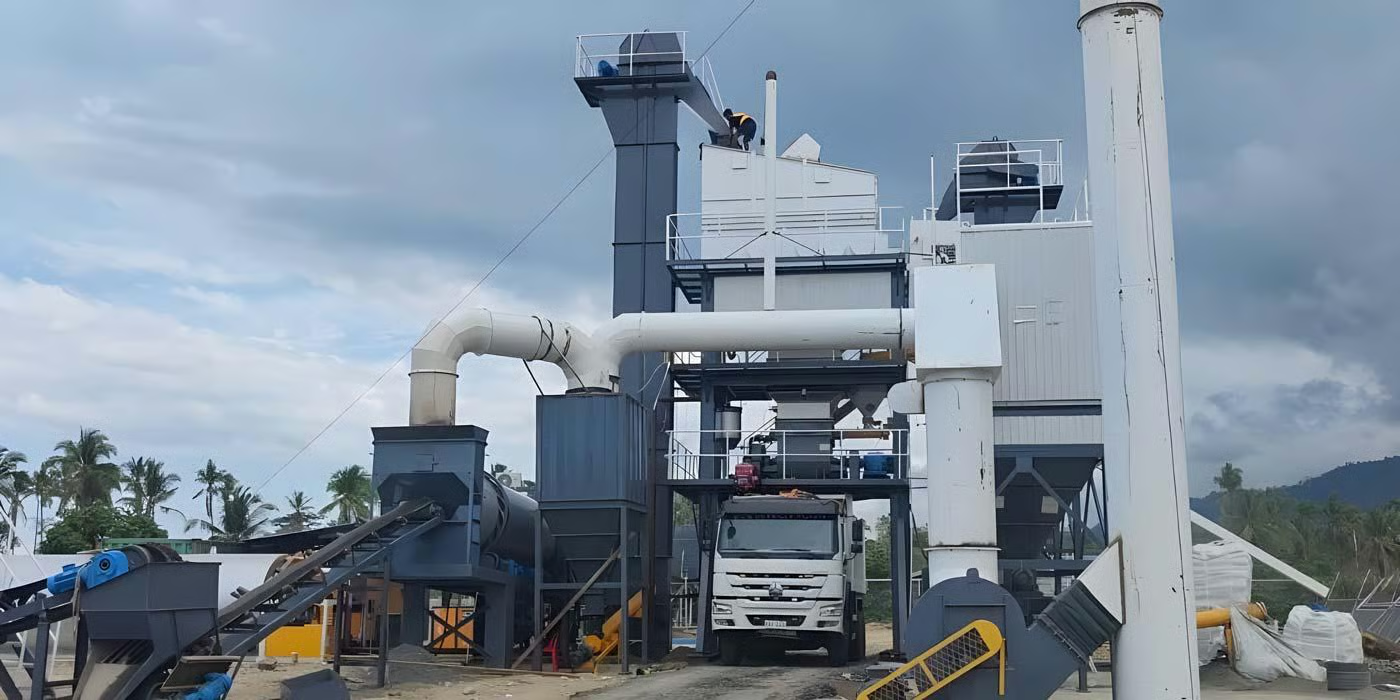
Understanding Asphalt Batch Plants
Before diving into plant size selection, it is essential to understand what an asphalt batch plant is and how it works. Asphalt batch plants are machines used to mix aggregates, bitumen, and filler to produce hot mix asphalt. They operate in batches, producing a fixed quantity of asphalt per cycle. Unlike drum mix plants, batch plants offer better control over asphalt quality, which is crucial for long-term businesses aiming to deliver consistent products.
Key Components of an Asphalt Batch Plant
An asphalt batch plant generally consists of the following main components:
Cold aggregate bins
Drying drum
Hot aggregate storage
Bitumen storage tanks
Mixing tower and mixer
Control system
Each component plays a significant role in ensuring the quality and efficiency of asphalt production. Therefore, understanding these components will help you determine the capacity you truly need.
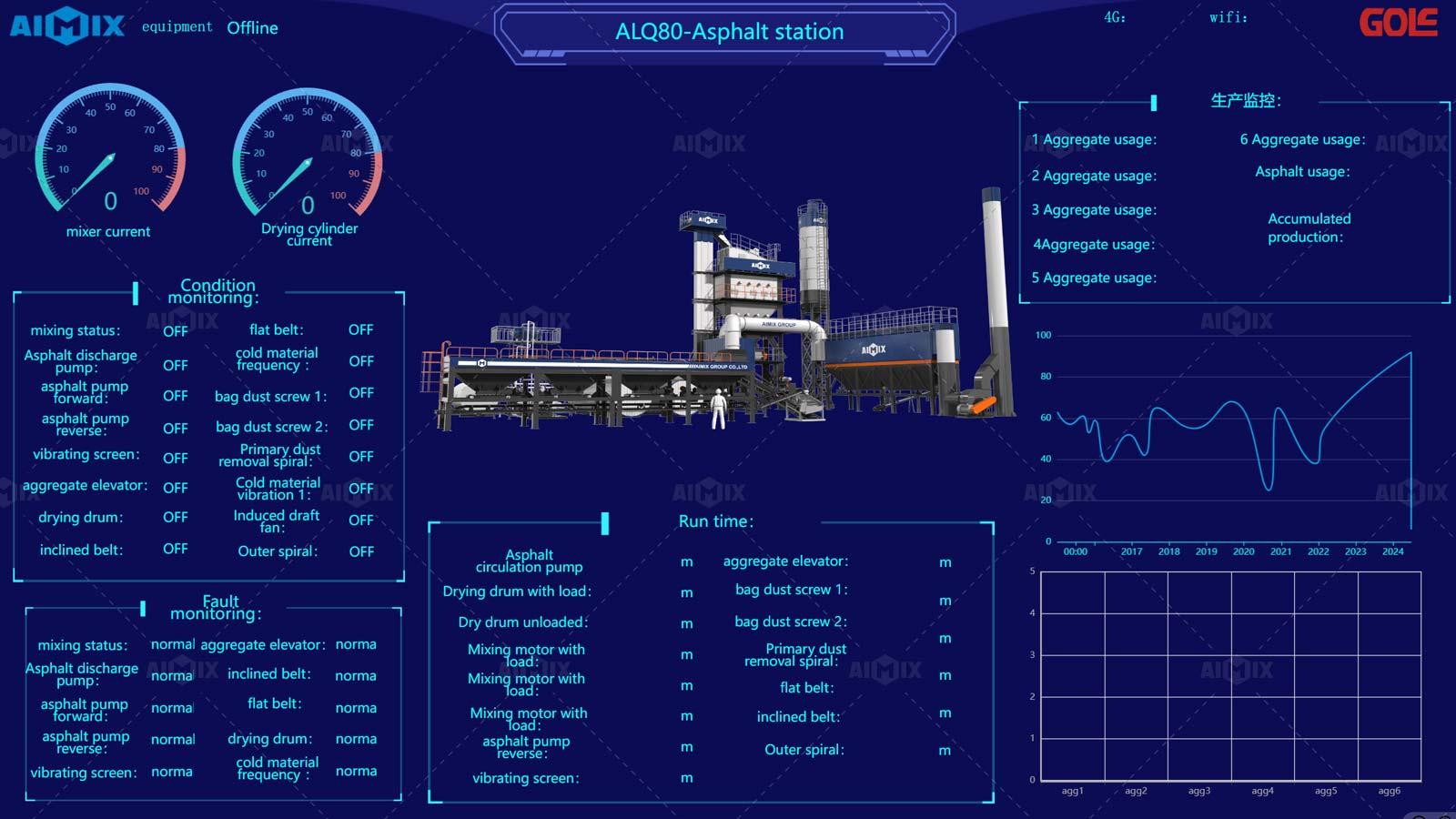
Factors to Consider When Selecting Asphalt Plant Size
Choosing the right hot mix batching plant size involves evaluating several factors. Making a hasty decision can lead to over-investment or production delays. Let’s explore the most critical aspects.
1. Estimated Daily Asphalt Demand
The first factor is your expected daily asphalt demand. For a long-term asphalt selling business, you must consider both current demand and future growth. Start by analyzing potential clients, ongoing road projects, and government contracts. For example, small road maintenance projects might require 30-50 tons per day, while large highway projects could need over 200 tons daily. Accurately estimating demand prevents overloading the plant or running under capacity, both of which affect profitability.
2. Project Type and Asphalt Mix Requirements
Different road construction projects require different asphalt mixes. Some projects need standard hot mix asphalt, while others demand specialized mixtures like SMA or OGFC. Batch plants are ideal for these projects because they allow precise control of mix ratios. Knowing your target mix types will help you choose a plant with flexible batching and mixing capabilities. In this way, you can serve a broader market while maintaining high-quality products.
3. Available Space for Installation
Another practical consideration is the physical space available for your asphalt plant. Larger batch plants with higher capacities require more land, including space for aggregate storage, mixing towers, and bitumen tanks. If your land is limited, selecting a smaller plant or modular design might be more practical. Consider future expansion options as well, so you can scale up production when business grows.
4. Budget and Investment Costs
Your budget significantly influences plant selection. Larger capacity plants cost more not only in initial investment but also in maintenance, fuel, and labor. On the other hand, a smaller plant might limit your ability to fulfill large orders. Therefore, balance your budget with expected production requirements. It is better to invest in a plant that slightly exceeds current demand to accommodate growth without unnecessary overspending.
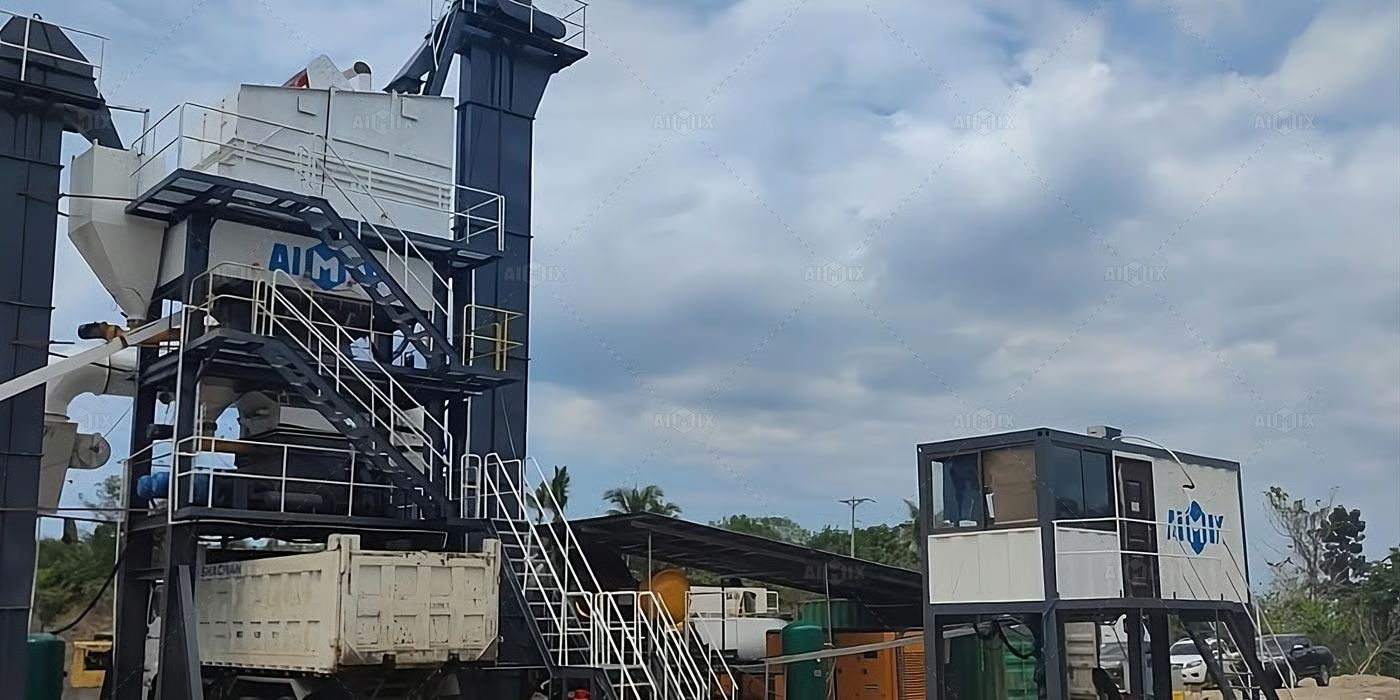
Calculating the Right Plant Capacity
Once you have considered demand, project type, space, and budget, you can calculate the ideal plant capacity. Asphalt batch plants are usually rated in tons per hour (tph). Here’s a simple method to estimate capacity:
Step 1: Determine Daily Production Requirement
Estimate how many tons of asphalt you need per day. For example, if your market research shows you can sell 150 tons per day, this number becomes your baseline.
Step 2: Calculate Operating Hours
Decide how many hours the plant will operate daily. If you plan to run 8 hours per day, divide the daily production by operating hours. Using our example: 150 tons ÷ 8 hours = 18.75 tph. This means you need a mini asphalt mixing plant that can produce at least 18-20 tons per hour.
Step 3: Consider Safety Margin
Include a safety margin of 10-20% to accommodate maintenance, breakdowns, or increased demand. In our example, adding 20%: 18.75 tph × 1.2 = 22.5 tph. Therefore, a plant with 25 tph capacity is more suitable for long-term operation.
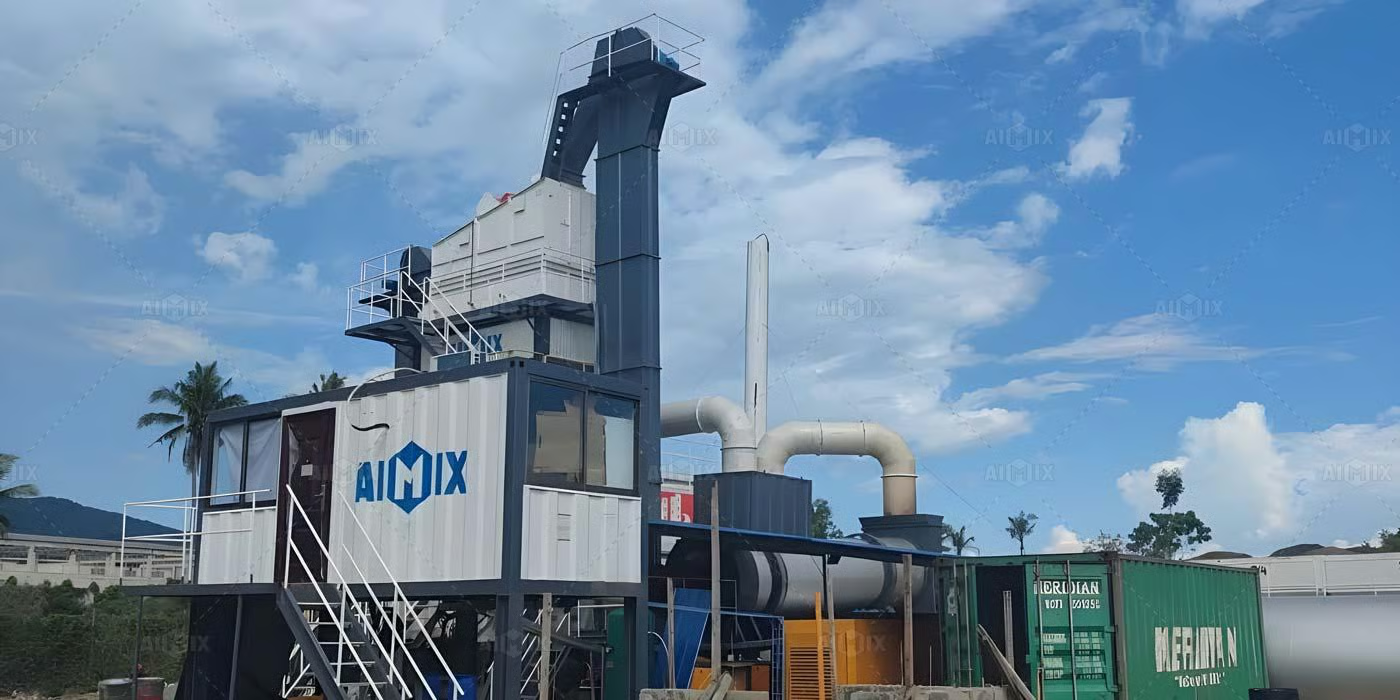
Other Practical Considerations
Reliable Supplier and After-Sales Support
Choosing a high-quality asphalt batch plant from a reputable supplier is crucial. Reliable suppliers provide spare parts, technical support, and training for your staff. In Indonesia, transportation, installation, and local service availability are essential factors. Working with a trusted supplier ensures smooth plant operation and minimizes downtime.
Energy Efficiency and Environmental Compliance
Energy-efficient plants reduce operational costs and environmental impact. Look for modern asphalt plants with advanced burners, dust collection systems, and low emission technology. Compliance with Indonesian environmental regulations not only avoids legal issues but also improves your reputation with clients.
Automation Level
Modern asphalt batch plants come with various automation levels. Fully automated plants reduce labor costs, minimize human errors, and improve consistency. Semi-automatic plants are cheaper but require more skilled operators. For long-term business, automated systems usually provide better return on investment.
Conclusion: Make an Informed Decision
Selecting the right asphalt batch plant size is not just a technical decision. It directly affects your business’s ability to meet demand, maintain quality, and stay profitable. Evaluate your market, calculate required capacity, and consider practical factors like space, budget, and future expansion. Avoid underestimating or overestimating plant size, as both can impact long-term success.
If you are planning to start or expand your asphalt business in Indonesia, working with a professional supplier can save time and ensure reliability. Our company provides a range of high-quality asphalt batch plants with capacities suitable for small to large-scale operations. We also offer installation, training, and ongoing support to help you grow your business sustainably. Contact us today to discuss your project and find the perfect asphalt batch plant for your needs.
Indonesia Asphalt Mixing Plant
Articles similaires

What Is The Best Mobile Crushing Plant Solution For Remote Island Projects In Indonesia?
Remote island projects in Indonesia face high logistics and material challenges. Learn the best mobile crushing plant solutions for efficient on-site aggregate production, lower costs, and reliable performance in remote and difficult conditions.


