
Explore essential techniques for matching asphalt plant production rates with paver and roller capacities, enhancing productivity in road construction operations.
How to Match Asphalt Plant Production Speed with the Paving Capacity of Asphalt Pavers and Road Rollers?
In road construction, matching the production speed of your asphalt mixing plant with the paving capacity of your asphalt pavers and road rollers is critical. If not well-matched, you may face problems like material wastage, paving delays, or uneven compaction. For contractors, project managers, and asphalt plant owners, understanding how to balance these speeds ensures smoother operations, better road quality, and reduced costs. Let’s explore practical ways to achieve this balance.
Why Matching Production and Paving Speeds Matters
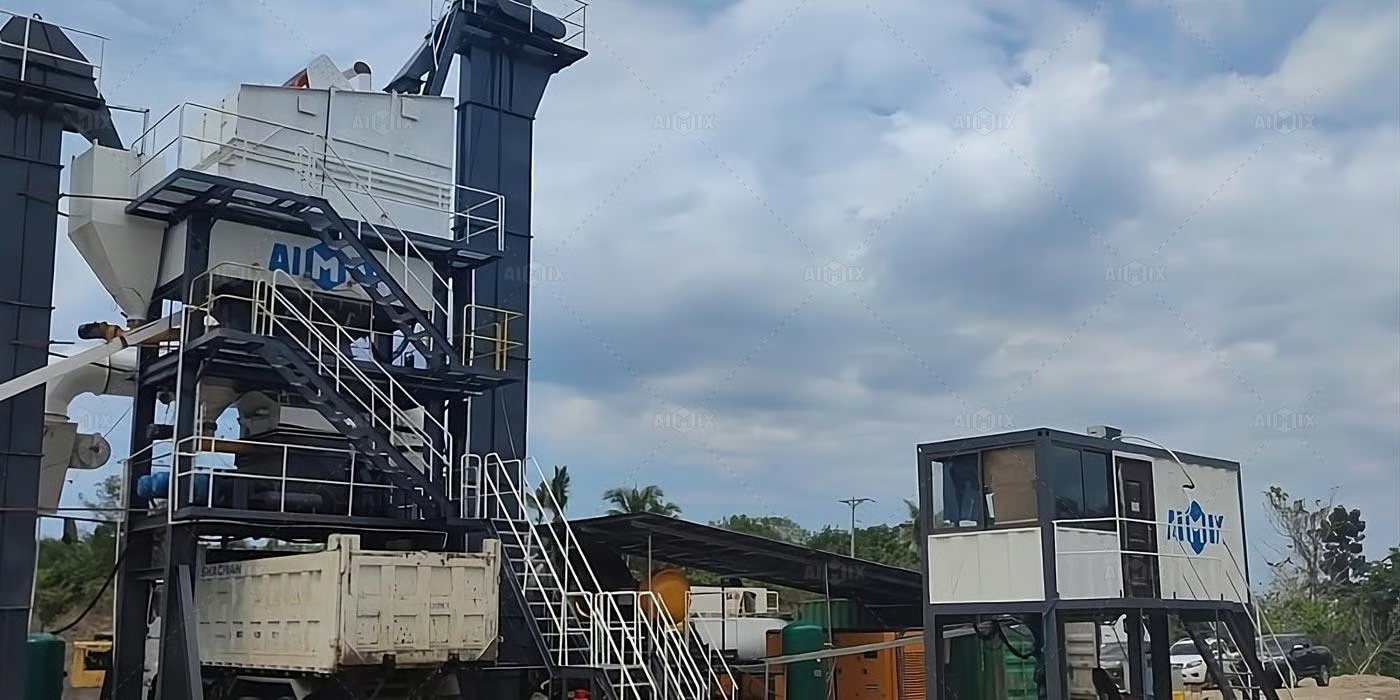
Asphalt production, paving, and compaction must work in harmony. If the pabrik aspal hotmix produces faster than the paver can lay, hot mix asphalt (HMA) will pile up, cool down, and become unusable. On the other hand, if the asphalt paver and rollers work faster than the plant can supply, paving will stop and the asphalt may cool too much, leading to weak joints and poor road durability. Both situations cause inefficiencies and financial losses.
That’s why you need a well-planned balance between asphalt plant capacity, paver laying speed, and roller compaction speed to keep the project moving smoothly.
Understand the Capacities of Your Equipment
Asphalt Plant Production Capacity
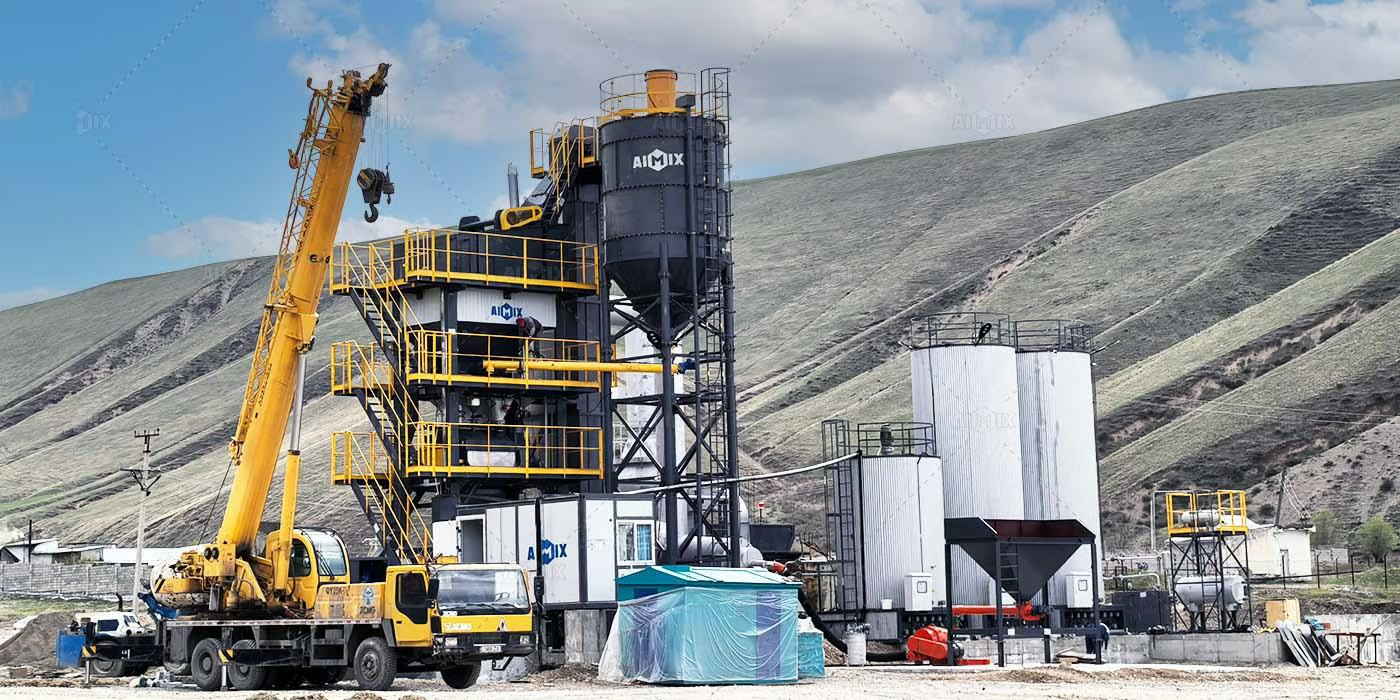
Start by knowing your asphalt plant’s actual output. For example, a plant rated at 120 tons per hour (TPH) may not always run at full capacity. Factors like material moisture, ambient temperature, and mix design can affect real production speed. Calculate your consistent output rate under your project’s working conditions.
Asphalt Paver Capacity
The paving capacity depends on paver width, paving speed, and layer thickness. For instance, a paver with a 4-meter screed width paving at 5 meters per minute with a 5 cm layer consumes about 60-70 TPH. Matching this with your plant’s production avoids unnecessary stops.
Road Roller Capacity
Compaction speed should align with the paver’s progress. Rollers typically compact at 3-5 km/h. You need to ensure that the roller team can complete initial compaction before the next asphalt mat section arrives to prevent temperature loss.
Understanding these capacities helps you plan the supply flow accurately and prevent operational gaps.
How to Calculate the Matching Speed
Once you know your equipment’s capabilities, you can calculate the required speeds to ensure continuous, balanced work. Here’s a simple step:
Asphalt Plant Output (TPH) = Paving Width (m) x Paving Speed (m/min) x Layer Thickness (m) x Asphalt Density (typically 2.4 t/m³) x 60
This formula helps you set the plant’s production rate to match the paver’s speed. If your plant’s maximum production is lower than required, you need to adjust the paving speed or reduce the paving width to maintain a steady flow.
Having these figures helps you coordinate all parts of the paving chain and avoid cold joints or production stops.
Coordinate with Transport Fleet
Even with well-matched production and paving speeds, you need reliable asphalt transport. Truck delivery cycles must be carefully planned based on distance, traffic, and loading/unloading times. Trucks must arrive consistently to prevent asphalt shortages or overstock at the paving site.
Good coordination between plant operators, truck drivers, and paving teams keeps asphalt at the right temperature and avoids waiting time for either side.
Monitor and Adjust in Real-Time
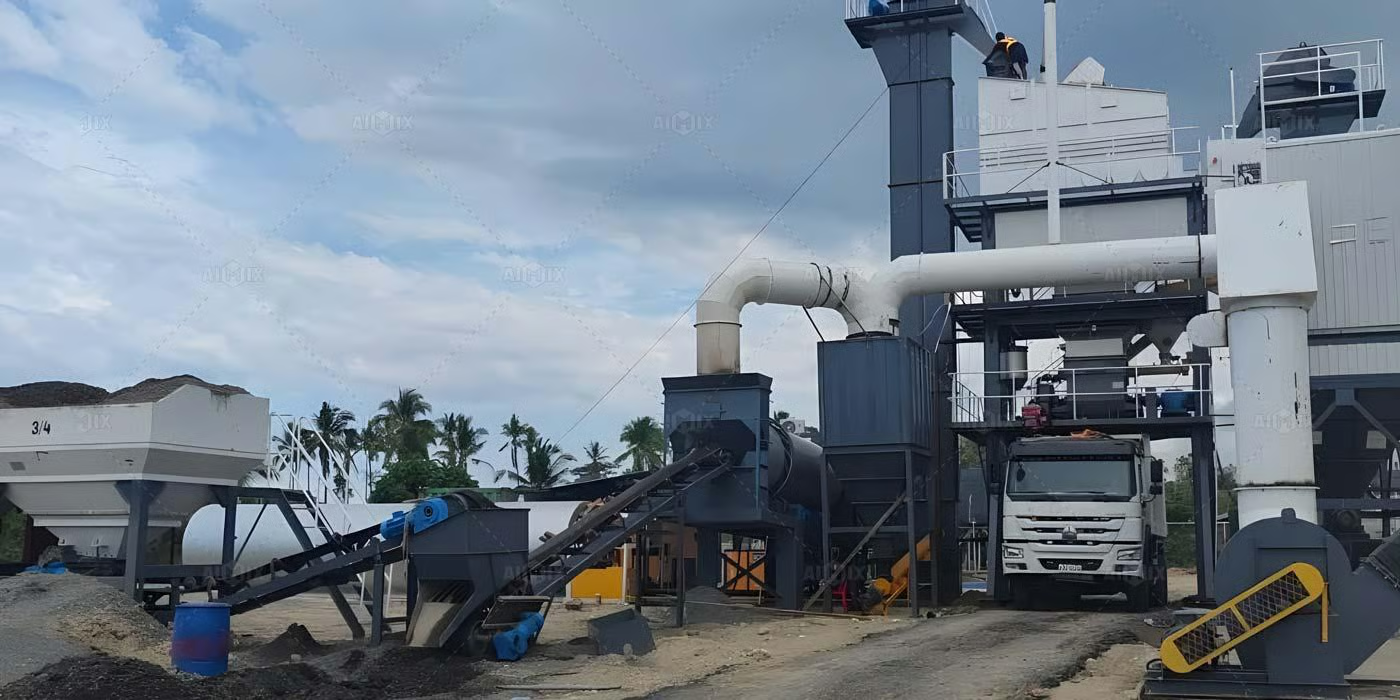
During paving, conditions often change. Rain, traffic delays, or equipment issues may slow down production or paving. Continuous communication is essential. Use plant control systems and GPS tracking on trucks to monitor delivery flow. Paving supervisors should adjust speeds based on plant output and truck arrival intervals to keep everything aligned.
Flexible operations and quick decision-making on-site help maintain efficiency and ensure paving quality.
Why Choose AIMIX for Your Asphalt Solutions?
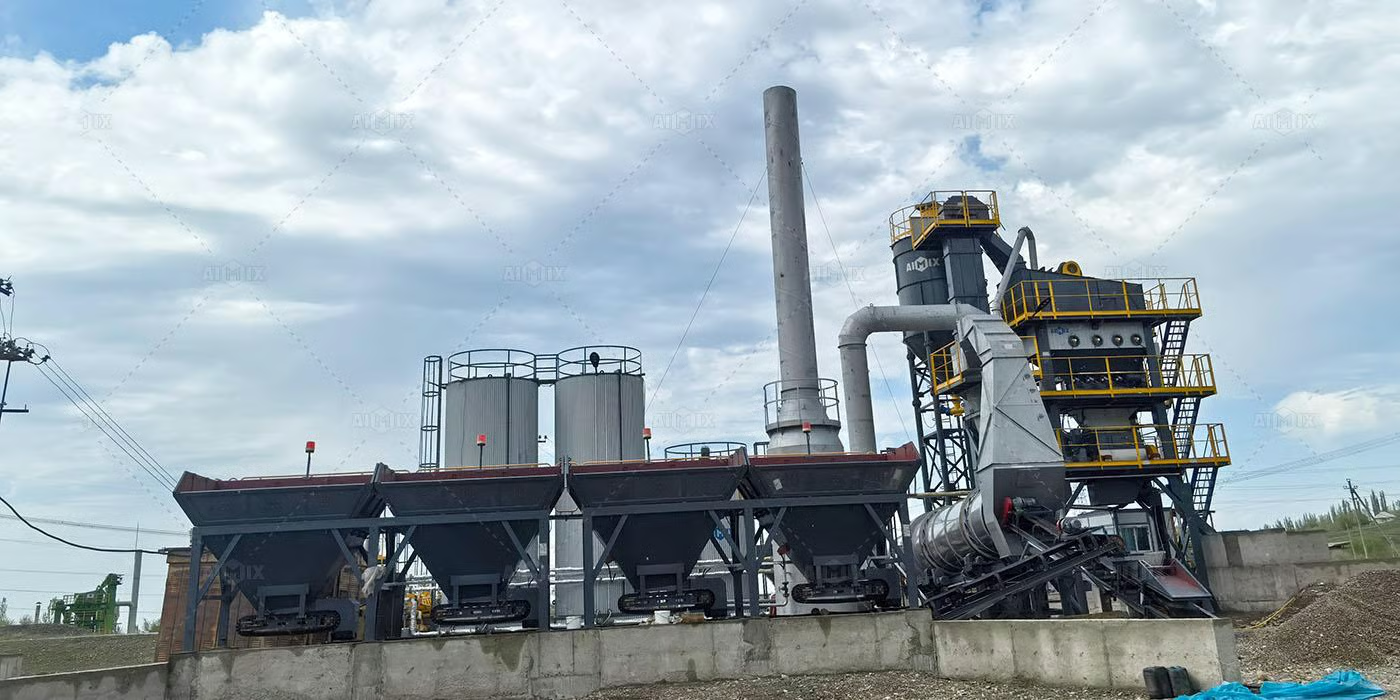
At AIMIX, we understand how important it is to match your asphalt plant, pavers, rollers, and transport fleet to achieve top-quality results. Our amp mini aspal can come with smart control systems that allow real-time adjustments and smooth coordination with your paving team. Whether you need stationary or mobile asphalt plants, we offer complete support to help you optimize your project’s workflow.
With our local service teams in Indonesia, you can count on fast after-sales support, spare parts supply, and technical guidance anytime you need it.
Contact Us Today
Let’s help you select the right asphalt plant that perfectly matches your paving and compaction capacity. Contact AIMIX now to discuss your project needs and get customized solutions that keep your operations running efficiently.
Indonesia Asphalt Mixing Plant
Articles similaires

What Is The Best Mobile Crushing Plant Solution For Remote Island Projects In Indonesia?
Remote island projects in Indonesia face high logistics and material challenges. Learn the best mobile crushing plant solutions for efficient on-site aggregate production, lower costs, and reliable performance in remote and difficult conditions.


