Discover the ROI of investing in a concrete batching plant for ready-mix production. Learn how it can enhance efficiency and profitability in your business.
What is the ROI of Investing in a Concrete Batching Plant for Ready-Mix Concrete Production?
For construction companies and contractors in the ready-mix concrete business, maximizing productivity and profitability is key to long-term success. One of the most strategic decisions you can make is investing in a concrete batching plant. But how can you measure the return on investment (ROI) of such an investment? In this post, we’ll explore the various factors that impact ROI and how a batching plant can boost your operations.
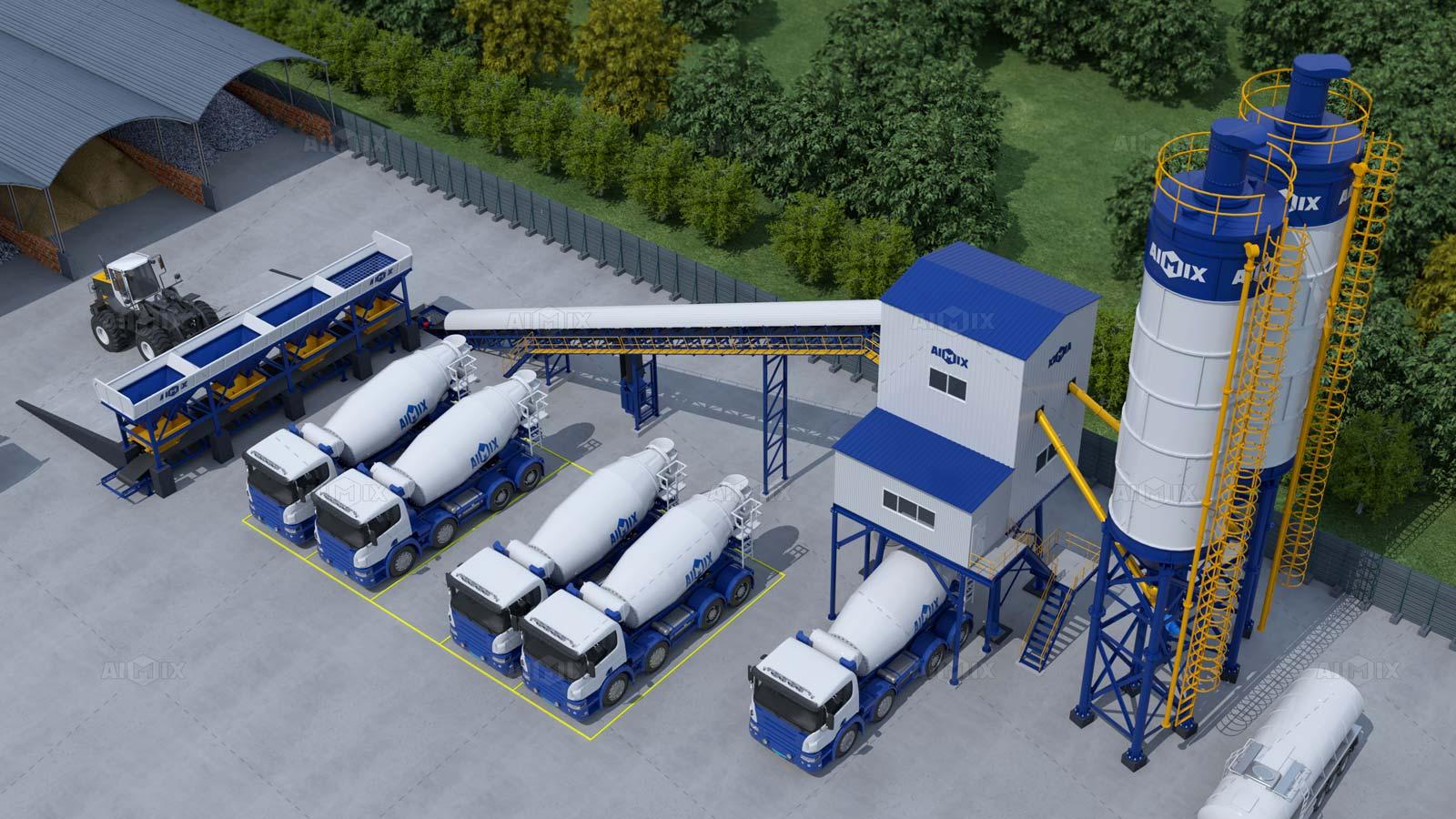
Understanding ROI in Concrete Batching Plant Investment
ROI, or Return on Investment, is a financial metric that helps you evaluate the profitability of an investment. For a concrete batching plant, the ROI is determined by comparing the costs of purchasing and operating the ready mix concrete plant against the revenue it generates. A higher ROI means better profitability. Understanding this concept is essential for any business considering such an investment.
The Initial Costs and Setup
Investing in a concrete batching plant involves several upfront costs, including purchasing the equipment, site preparation, installation, and training for your staff. These initial costs can seem high, but keep in mind that the right batching plant will pay off over time. If you’re looking for a long-term solution, it’s important to invest in quality equipment that suits your production needs and budget.
Operational Efficiency and Cost Savings
One of the most significant advantages of owning a concrete batching plant is the increase in operational efficiency. With your own plant, you can control production timelines, reduce delays, and improve overall workflow. You’ll no longer have to rely on third-party suppliers for your concrete, saving you money on purchasing and transportation costs.
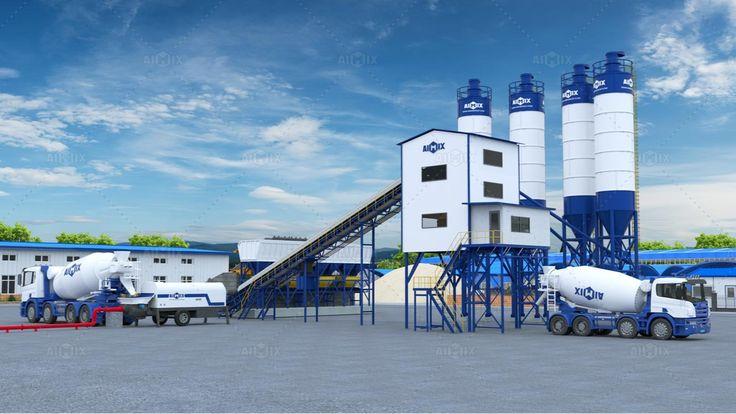
How Does a Concrete Batching Plant Impact Your Business?
Now, let’s dive into how this investment translates into tangible benefits for your business.
Reduced Transportation and Delivery Costs
When you rely on external suppliers for ready-mix concrete, transportation costs can quickly add up, especially if your construction sites are far from the supplier’s plant. By producing your own concrete, you eliminate these delivery costs. In fact, producing locally often leads to faster delivery and fresher product, which is essential for high-quality construction.
Consistent Concrete Quality
Inconsistent concrete quality can lead to project delays and costly rework. A concrete batching plant ensures consistent production, with the ability to precisely control the mix design and material quality. This results in more predictable outcomes and fewer mistakes during the construction process, which directly impacts your bottom line.
Flexibility and Adaptability
With a concrete batching plant, you gain the flexibility to produce different types of concrete mixes based on specific project requirements. Whether you need high-strength concrete for a large infrastructure project or specialized mixes for residential construction, you can easily adjust your production to meet the demands of the job. This adaptability makes your business more competitive and allows you to cater to a wider range of customers.
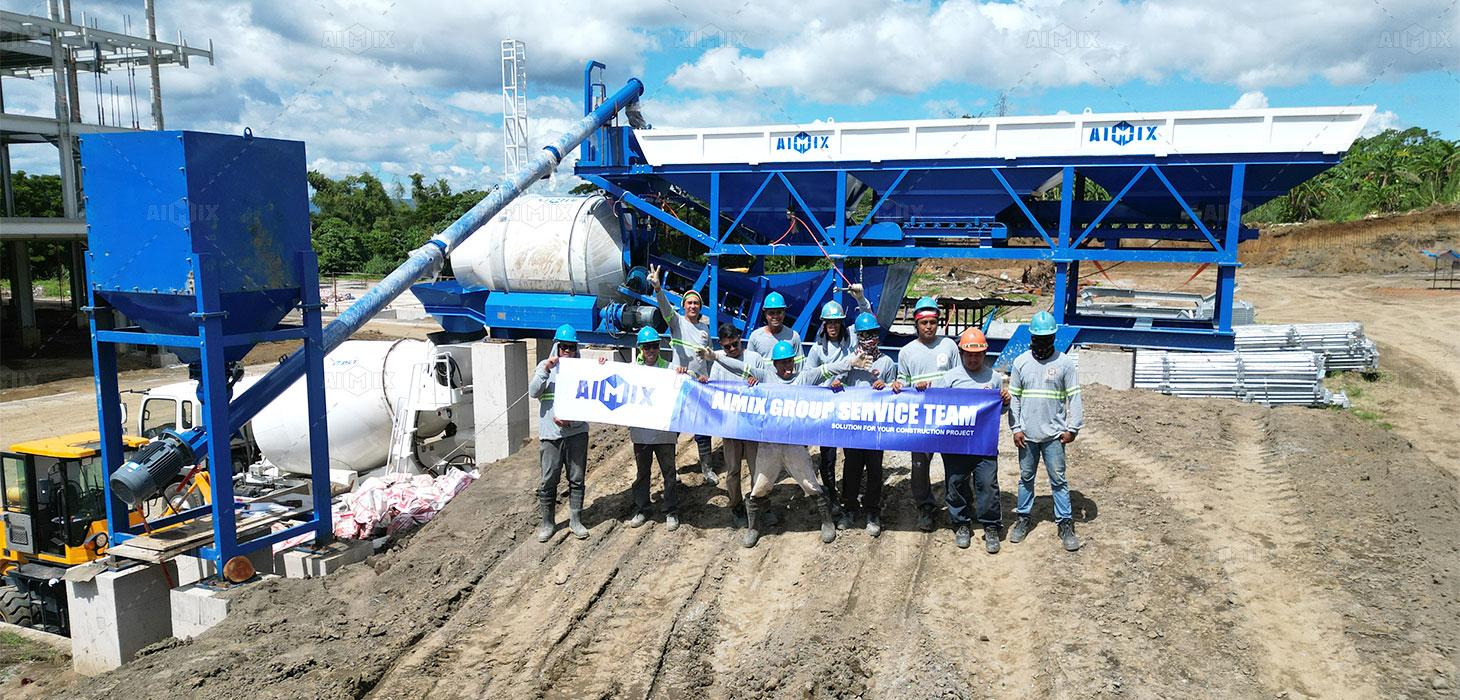
Increasing Your ROI with Improved Cash Flow
The benefits of owning a concrete batching plant extend to cash flow improvements as well. Here’s how:
Faster Project Turnaround
When you have your own batching plant, you reduce the dependency on suppliers and their schedules. This leads to faster project completion, and the quicker you finish a project, the sooner you can take on new contracts. By speeding up the turnaround time, you’re able to generate more revenue in a shorter period, positively affecting your cash flow.
Long-Term Financial Benefits
In the long term, the savings in transportation costs, improved consistency in product quality, and faster project completions all contribute to a higher ROI. Once the initial investment is recovered, the ongoing operational costs become much lower, significantly increasing profitability.
Are There Any Risks to Consider?
While the benefits are substantial, there are some risks involved in investing in a concrete batching plant. These include potential maintenance costs, the need for skilled operators, and regulatory compliance requirements. It’s essential to conduct a thorough assessment of your business’s needs and capabilities before making this investment.
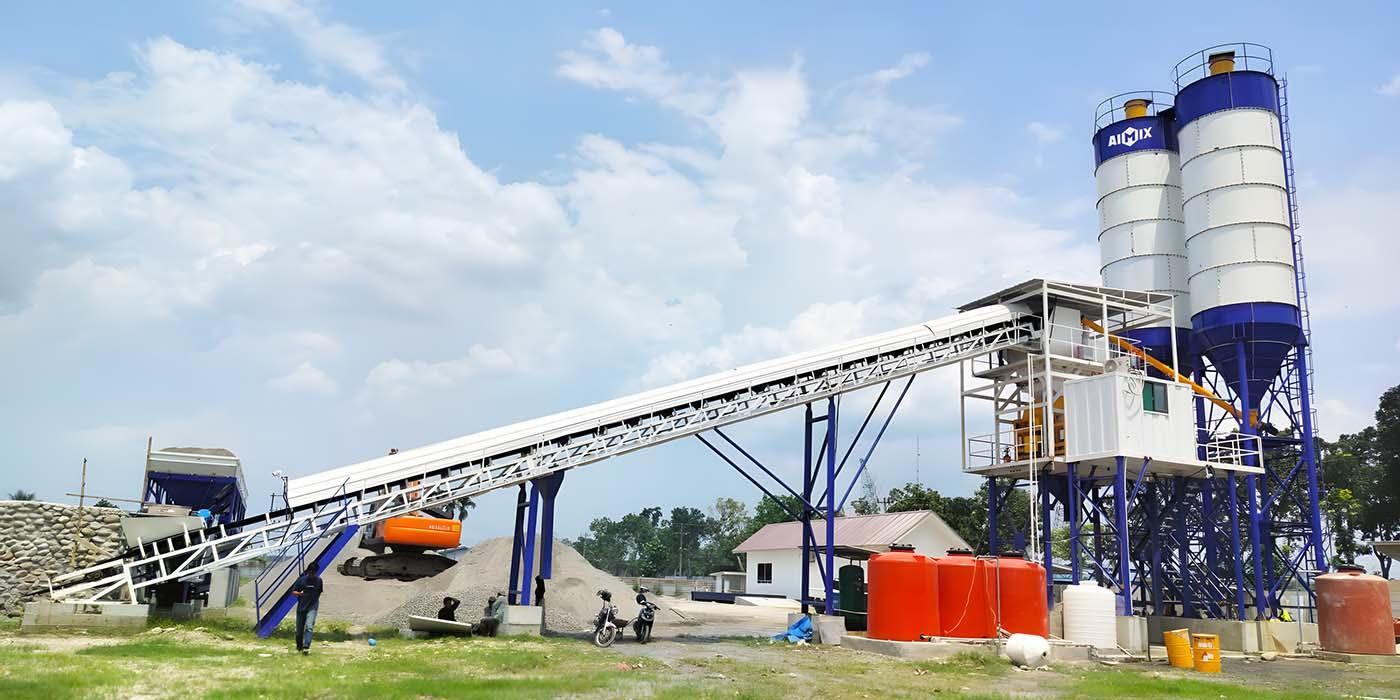
Conclusion: Is a Concrete Batching Plant Right for Your Business?
Investing in a concrete batching plant offers numerous advantages that can help increase your ROI, including cost savings, improved quality, and faster project turnaround. However, it’s important to weigh these benefits against the initial costs and operational requirements. If your business is ready to take the next step toward increased profitability and efficiency, a concrete batching plant could be the perfect solution.
If you’re interested in exploring concrete batching plants that suit your needs, contact us today for more information. Let’s work together to help your business grow and succeed in the competitive construction industry. Get to know the harga batching plant at right!
Indonesia batching plant terdekat
Articles similaires

What Is The Best Mobile Crushing Plant Solution For Remote Island Projects In Indonesia?
Remote island projects in Indonesia face high logistics and material challenges. Learn the best mobile crushing plant solutions for efficient on-site aggregate production, lower costs, and reliable performance in remote and difficult conditions.


