Learn whether a 60 m³/h batching plant can handle 2-3 medium projects with daily demands of 250-300 m³. Get expert analysis and practical solutions.
Can One 60 m³/h Batching Plant Handle 2–3 Medium Projects Needing 250–300 m³/Day Each?
For many contractors, especially those managing multiple mid-sized construction projects, the question isn’t whether to invest in a batching plant—it’s whether a single plant beton can efficiently serve more than one jobsite. If you're running two or three projects that each need around 250–300 m³ of concrete per day, you’re likely wondering: is a 60 m³/h concrete batching plant enough?
This article breaks down the numbers, the real-world performance, and the key factors you need to consider from both a technical and practical standpoint. Let’s take a closer look.
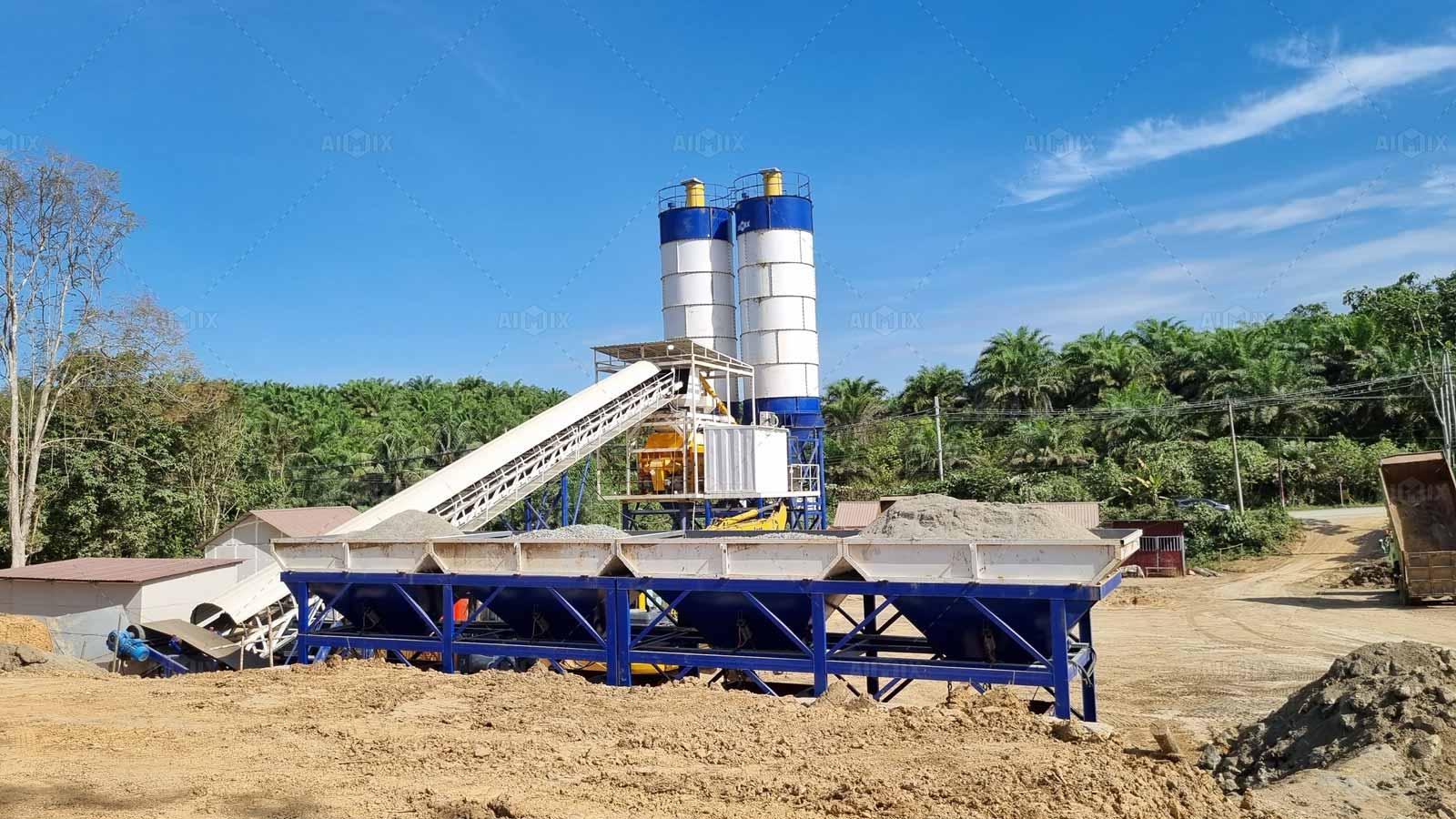
Why This Question Matters for Medium-Sized Contractors
In the concrete industry, balancing production capacity with project demand is essential. Oversizing equipment leads to wasted investment. Undersizing results in delays and quality issues. For medium contractors, especially those working on private buildings, roads, or municipal infrastructure, daily concrete needs often hover around 250–300 m³.
That volume sounds manageable—until you multiply it by two or three jobs running simultaneously. That's why knowing whether a 60 m³/h plant can truly keep up is critical to avoid jobsite bottlenecks.
Understanding the Real Output of a 60 m³/h Batching Plant
Let’s start with the basics. A 60 m³/h ready mix concrete batching plant is designed to produce 60 cubic meters of concrete per hour under ideal conditions. However, actual production is influenced by:
Shift duration (hours of operation per day)
Material supply efficiency
Transit mixer availability
Downtime due to cleaning, maintenance, or weather
On average, with a well-managed team and steady demand, a 60 m³/h plant can consistently produce 480–540 m³ in a 8–9 hour working day. That figure is critical when planning for multiple projects.
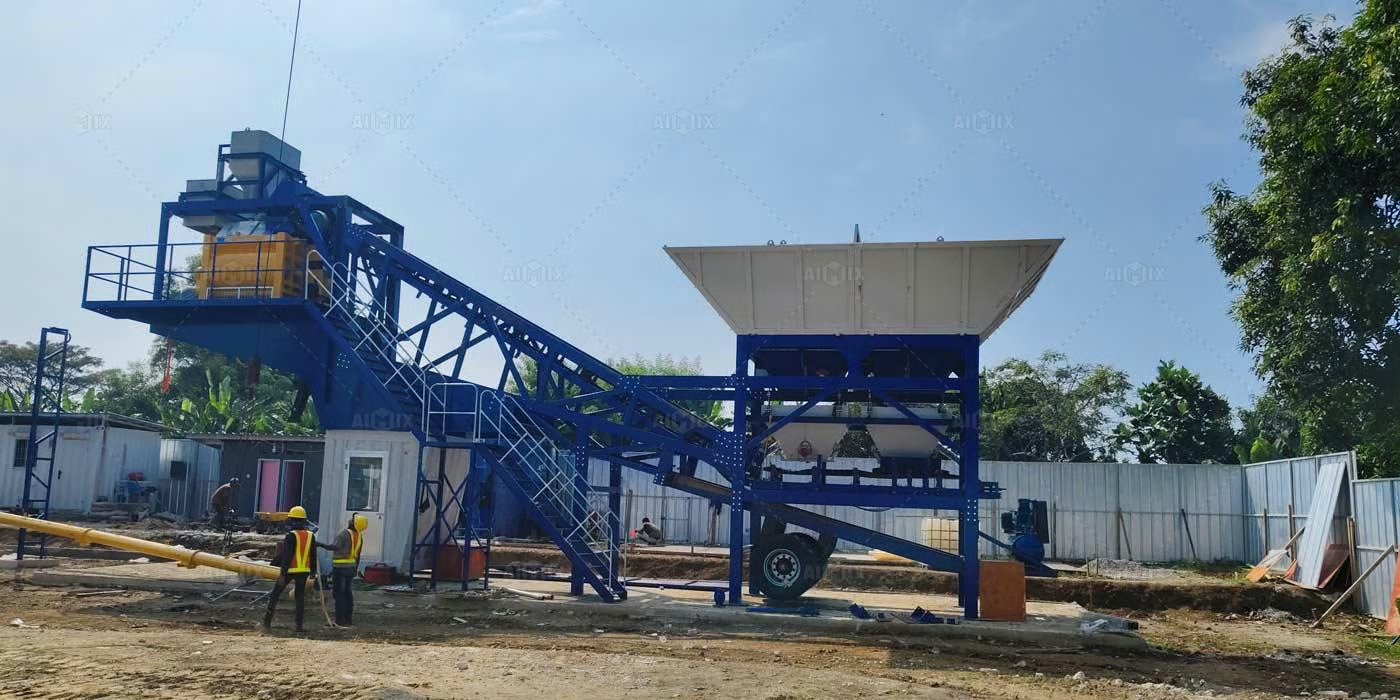
Matching Plant Output to Project Needs
Now let’s connect production output to daily project needs. Suppose each project consumes 250–300 m³ per day. That’s a combined demand of 500–900 m³/day across 2–3 jobsites.
So how do you align this with a 60 m³/h plant?
Scenario 1: Projects Are Close Together
If your jobsites are within 10–15 km of each other, concrete can be delivered in rotation using the same fleet of transit mixers. In this case, you can manage batching and delivery in cycles, and the batching plant can alternate loads based on truck availability. A 10-hour batching schedule can meet 600 m³+ if organized efficiently.
Scenario 2: Projects Are Far Apart
If the projects are located far from one another, transit times increase and truck turnaround slows down. This reduces the actual volume you can deliver each day. In such a case, relying solely on one plant for three projects may lead to delays unless delivery is staggered or night shifts are introduced.
Therefore, project distance and transport logistics play a key role. It's not just about production—it's also about distribution.
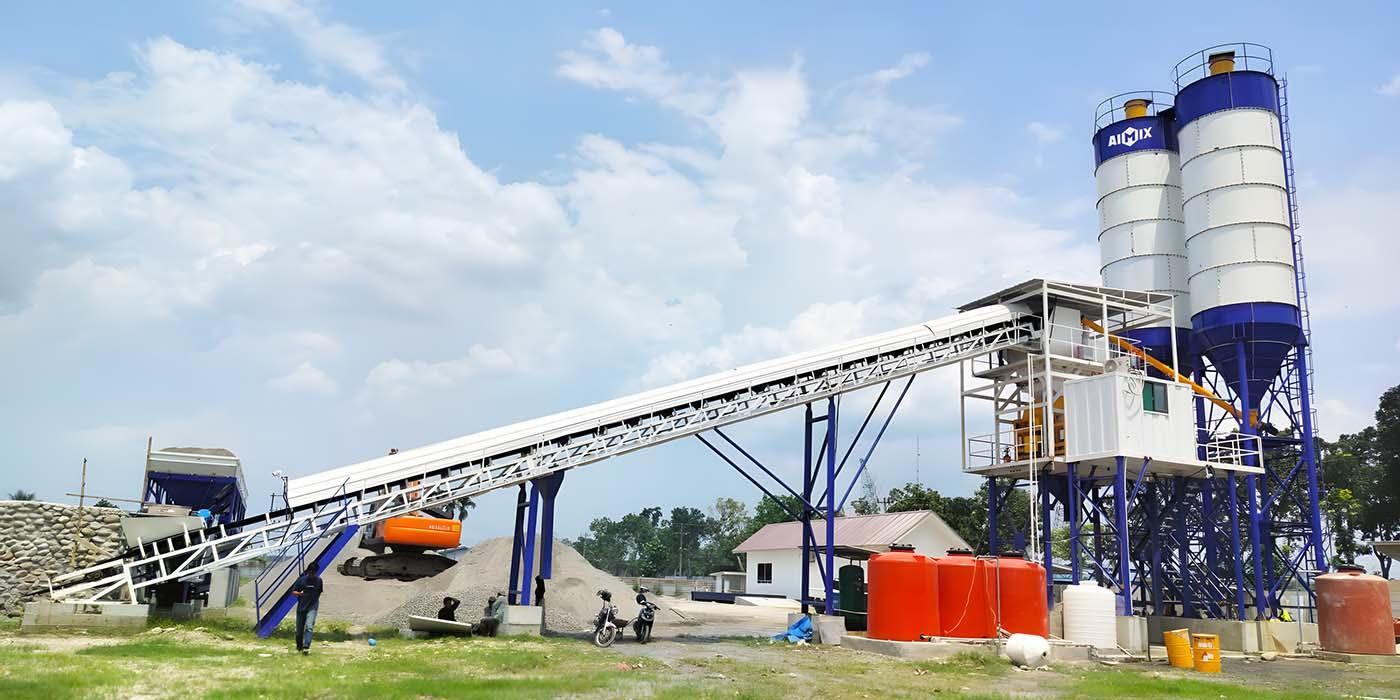
Other Factors Contractors Should Consider
Beyond output and transport, several other factors affect whether a 60 m³/h plant is suitable for multiple jobs:
1. Concrete Type and Pouring Method
High-spec concrete (e.g., for high-rise columns or road pavements) may require more precision and slower pouring. If multiple pours overlap, the plant may struggle to switch between mix designs quickly.
2. Timing and Pouring Schedule
If all projects demand concrete at the same time each day, you’ll face bottlenecks. But if pouring schedules are staggered—one in the morning, one in the afternoon—you gain flexibility without overloading the plant.
3. Number of Transit Mixers
Having enough mixers is crucial. A 60 m³/h plant can feed 5–7 trucks per hour. Without enough trucks rotating between sites, even the best batching plant won’t keep pace.
When One Plant Is Enough—And When It’s Not
To sum up, a 60 m³/h batching plant can handle two medium projects or even three if conditions are favorable. But that depends on:
Total concrete volume per day
Distance between jobsites
Availability of transit mixers
Pouring schedules and urgency
If your projects are close together, schedules don’t overlap too much, and your team is experienced in logistics, one batching plant is enough. If not, you may need to consider either adding a second plant, or switching to a higher capacity model like 90 m³/h or 120 m³/h.
Our Recommendation
For two projects needing 250–300 m³/day each, we recommend one 60 m³/h plant if the projects are nearby and you can stagger pour times. For three simultaneous projects or jobsites with long distances between them, consider upgrading or using a mobile plant for one of the remote jobs.
Need Help Choosing the Right Setup?
Every contractor’s situation is different. We’ve helped many clients across Indonesia and Southeast Asia plan efficient concrete supply setups using one or more plants. Whether you're pouring for commercial buildings, rural roads, or government housing projects, we can help you find the most cost-effective batching solution based on your real project layout and timeline.
Contact us now to discuss your project details, and let’s build a solution that delivers—on time, every time. Get to know the harga batching plant at right!
Indonesia batching plant terdekat
Articles similaires

What Is The Best Mobile Crushing Plant Solution For Remote Island Projects In Indonesia?
Remote island projects in Indonesia face high logistics and material challenges. Learn the best mobile crushing plant solutions for efficient on-site aggregate production, lower costs, and reliable performance in remote and difficult conditions.


