Can a mobile jaw, impact crushing, and screening plant handle 140 TPH andesite in Sulawesi? Learn how to produce 0–5 mm and 5–20 mm aggregates efficiently for mountain road projects while controlling cost, quality, and schedule.
Can A Mobile Jaw + Impact Crushing + Screen Plant Handle 140 TPH Andesite And Produce 0–5 Mm And 5–20 Mm Aggregates For Mountain Roads In Sulawesi?
Building mountain roads in Sulawesi is never easy. The terrain stays steep. Access roads stay narrow. Weather changes fast. At the same time, projects still need stable supply of high-quality aggregates. Many contractors ask a simple question: can one mobile crushing and screening train really handle 140 TPH of hard andesite and still deliver two clean sizes, 0–5 mm and 5–20 mm? The short answer is yes. The longer answer depends on how you plan, how you configure the portable crushing plant, and how you run it on site. In this article, we look at the question from your point of view and from the construction industry’s point of view. We focus on real work, not brochure numbers.
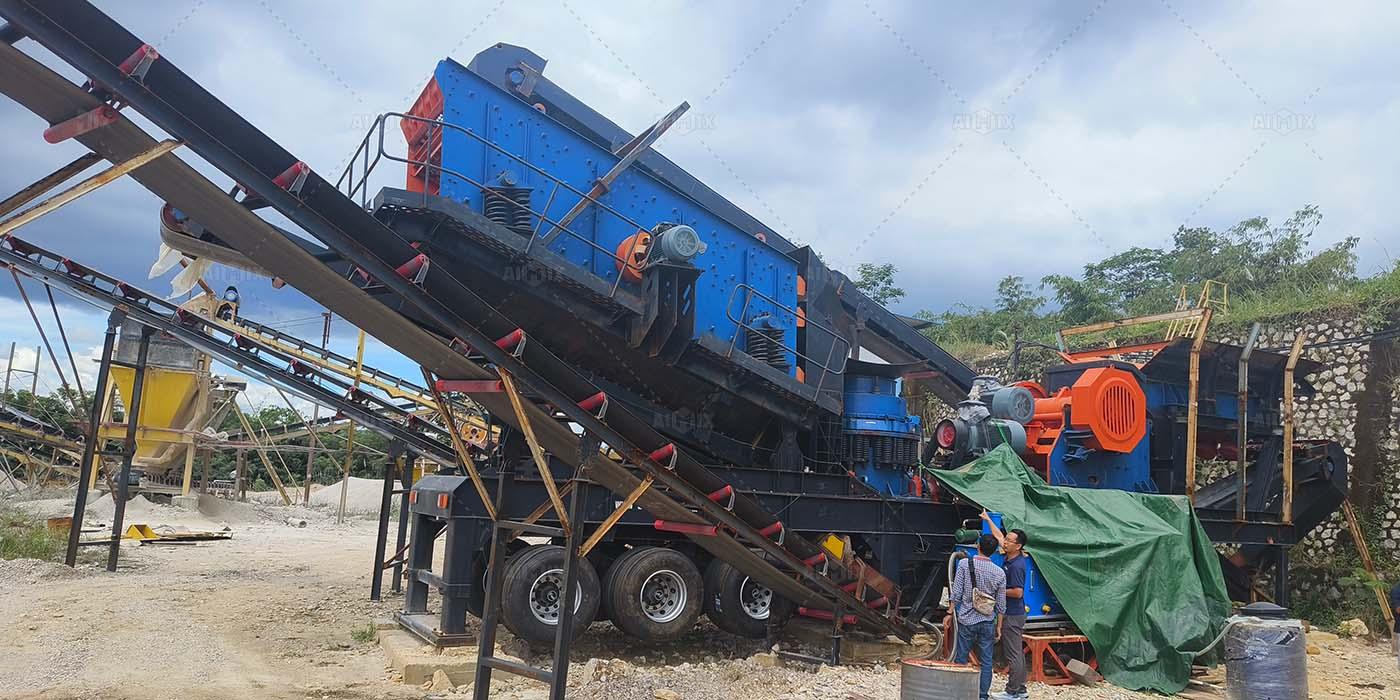
Why Andesite And Mountain Roads Change The Rules
Before we talk about machines, we should talk about the job. Andesite is hard and abrasive. Mountain roads add tight spaces and long haul distances. Because of this, many fixed plants struggle to stay efficient. You may get the output, but you lose time on transport and setup. You may get the sizes, but you lose money on fuel and labor. Therefore, the right solution must solve more than one problem at the same time.
In Sulawesi, many projects also sit far from big cities. That means you need to bring the plant to the stone, not the stone to the plant. At the same time, road layers need stable grading. Base layers often need 5–20 mm. Asphalt and concrete mixes often need clean 0–5 mm. Because of these needs, a mobile jaw + impact crushing + screen plant becomes a very practical option.
What 140 TPH Really Means On Site
On paper, 140 TPH looks simple. In reality, it means stable feeding, steady crushing, and smooth screening for many hours each day. If one part slows down, the whole line slows down. So, you should not only ask if the plant can reach 140 TPH. You should also ask if it can keep that rate with hard andesite and mixed feed sizes.
This is where a jaw crusher in the first stage helps. It handles big rocks. It breaks them to a size that the impact crusher can manage. Then, the impact crusher shapes the stone and improves the grain shape. After that, the screen sorts the material into your target sizes. Because each unit does one clear job, the whole system stays balanced.
How The Three-Stage Mobile Setup Works Together
Now let’s move from the problem to the solution. A three-stage mobile setup sounds complex. However, in daily work, it often feels simpler than a fixed plant. You move it in. You set it up. You start crushing. The logic stays clear.
First, the mobile jaw crusher takes the raw andesite. It accepts large feed. It reduces it to a manageable size. Because of its strong structure, it deals well with hard rock. More importantly, it keeps a steady output, which protects the next stage from overload.
Next, the mobile impact crusher takes over. Here, the focus changes from just breaking to shaping. Impact crushing improves the cubic shape of aggregates. This matters a lot for road construction. Better shape means better compaction. Better compaction means longer road life. At the same time, modern impact crushers can still keep a high throughput, so 140 TPH stays realistic.
Finally, the mobile screen does the sorting. It separates 0–5 mm and 5–20 mm in one pass. You can adjust the screen meshes based on your mix design. Because the screen works right after crushing, you reduce re-handling. As a result, you save both time and fuel.
Why Mobility Matters In Sulawesi
However, crushing performance is only one part of the story. Mobility changes the whole project rhythm. In mountain areas, moving raw stone to a distant plant costs money and time. By contrast, moving a mobile plant closer to the quarry face cuts that distance. Therefore, you reduce truck traffic. You also reduce road wear and fuel use.
In addition, many projects in Sulawesi progress in stages. Today you work on one section. Next month you move to another. A mobile plant follows your schedule. You do not need to build new foundations each time. Because of this, your overall project becomes more flexible and more predictable.
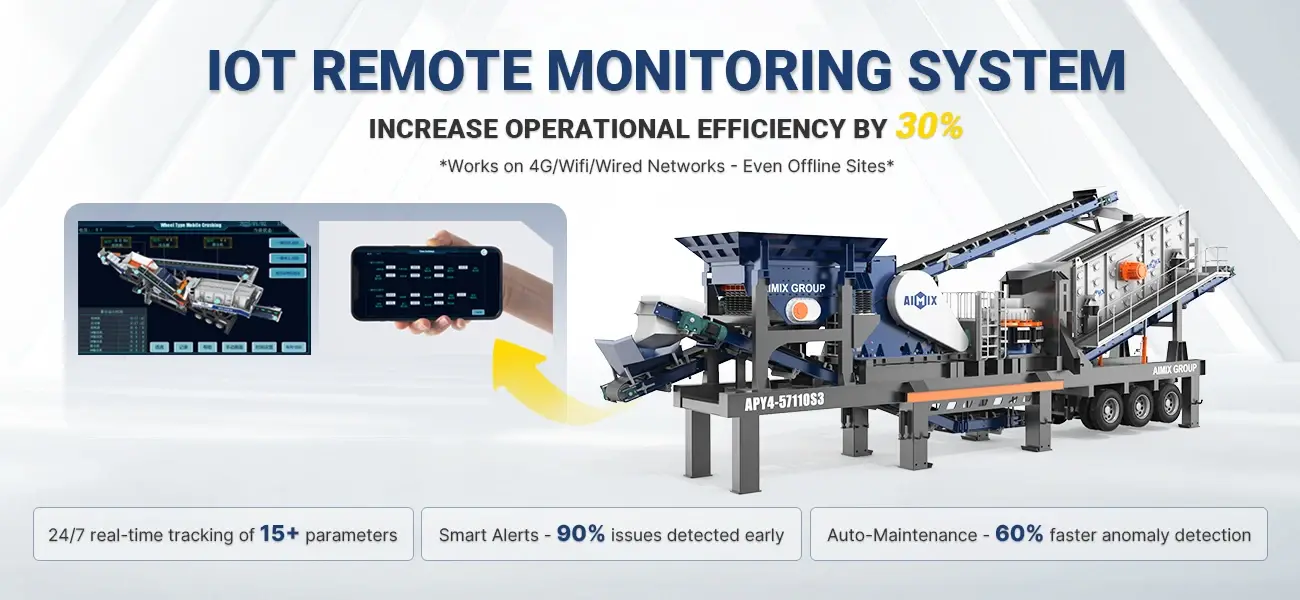
Can This Setup Really Hit 140 TPH With Andesite?
This is the key question. The honest answer is yes, if you choose the right configuration and run it correctly. Andesite is tough, so you need enough power and the right crusher settings. At the same time, you need a stable feed. A vibrating feeder with pre-screening helps a lot. It removes fines before they reach the jaw crusher. As a result, the jaw works more efficiently.
Then, you must match the impact crusher to the jaw output. If the impact crusher is too small, it becomes the bottleneck. If it is too large, you waste money and fuel. Therefore, a balanced selection is critical. When the sizes match, 140 TPH becomes a working rate, not just a peak number.
The screen also plays a big role. If the screen area is too small, material builds up. If the screen angle is wrong, separation becomes poor. So, you should choose a screen that fits your target sizes and your production rate. With the right setup, you can get clean 0–5 mm and clean 5–20 mm at the same time.
Quality Matters As Much As Quantity
Even if you reach 140 TPH, the job is not done. Road projects care about quality. The 0–5 mm fraction should stay clean and well graded. The 5–20 mm fraction should have good shape and low flakiness. Impact crushing helps here. It produces more cubic particles. Because of that, your aggregates perform better in base layers and asphalt mixes.
In practice, this means fewer problems during paving. It also means better test results. Over time, that means fewer repairs and a better reputation for your company. So, quality and quantity should move forward together.
What This Means For Your Project Costs And Schedule
Let’s connect the technical side to your business goals. A mobile jaw + impact + screen plant reduces transport costs. It shortens setup time. It also reduces the number of machines you need on site. Because of these factors, your cost per ton often drops.
At the same time, steady 140 TPH output helps you keep your schedule. You can plan daily targets with more confidence. You can also respond faster to design changes. If the mix needs adjustment, you change the screen meshes or crusher settings. You do not stop the whole project for weeks.
Therefore, this setup does not only crush stone. It also supports better project control. In competitive markets, that control often makes the difference between profit and loss.
Things You Should Check Before You Decide
Of course, not every site is the same. Before you choose, you should check a few points. First, look at your raw material size and hardness. Second, check your access roads and working space. Third, confirm your daily production target and working hours. Finally, think about after-sales support and spare parts supply in Indonesia.
When these points stay clear, choosing the right plant becomes much easier. More importantly, you avoid surprises after the machine arrives on site.
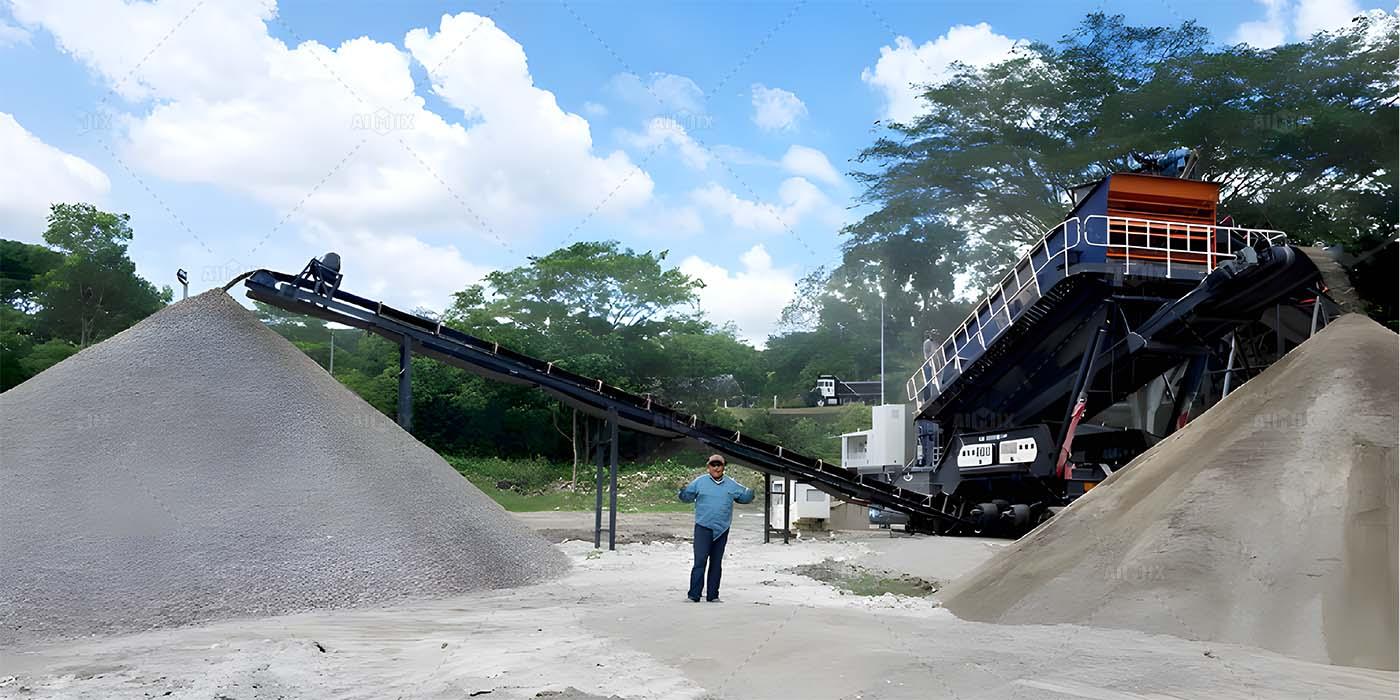
A Practical Conclusion For Contractors In Sulawesi
So, can a mobile jaw + impact crusher + screen plant handle 140 TPH andesite and produce 0–5 mm and 5–20 mm aggregates for mountain roads in Sulawesi? Yes, it can. With the right configuration, it can do the job efficiently. It can also improve your aggregate quality. At the same time, it can reduce your logistics pressure and increase your project flexibility.
In today’s market, contractors need more than just machines. They need solutions that fit real projects. A well-chosen mobile crushing and screening train offers exactly that. It brings production to the quarry face. It keeps output stable. It supports both quality and schedule.
If you are planning a mountain road project in Sulawesi and you want more control over cost, quality, and time, this type of setup is worth a serious look. Talk to a supplier who understands your material and your site conditions. With the right partner and the right plan, 140 TPH will not feel like a risk. It will feel like a reliable daily target.
Articles similaires

What Is The Best Mobile Crushing Plant Solution For Remote Island Projects In Indonesia?
Remote island projects in Indonesia face high logistics and material challenges. Learn the best mobile crushing plant solutions for efficient on-site aggregate production, lower costs, and reliable performance in remote and difficult conditions.


