
Can a 40 m³/h concrete mixer pump handle continuous slab pouring in Indonesia? Learn how it improves efficiency, controls costs, and supports stable, high-quality concrete work on real job sites.
Can a 40 m³/h Concrete Mixer Pump Support Continuous Slab Pouring in Indonesia?
For many contractors in Indonesia, continuous slab pouring is not just a technical requirement. It is a promise to the client. Once the pour starts, delays cost money, damage quality, and create stress on site. Because of that, more project managers now ask a very practical question: can a 40 m³/h concrete mixer with pump really support continuous slab pouring?
The short answer is yes. However, the long answer matters more. You need to look at site conditions, material supply, team coordination, and the real working rhythm of Indonesian projects. Let’s walk through this topic step by step and see why a 40 m³/h concrete mixer pump often becomes a smart and reliable choice.
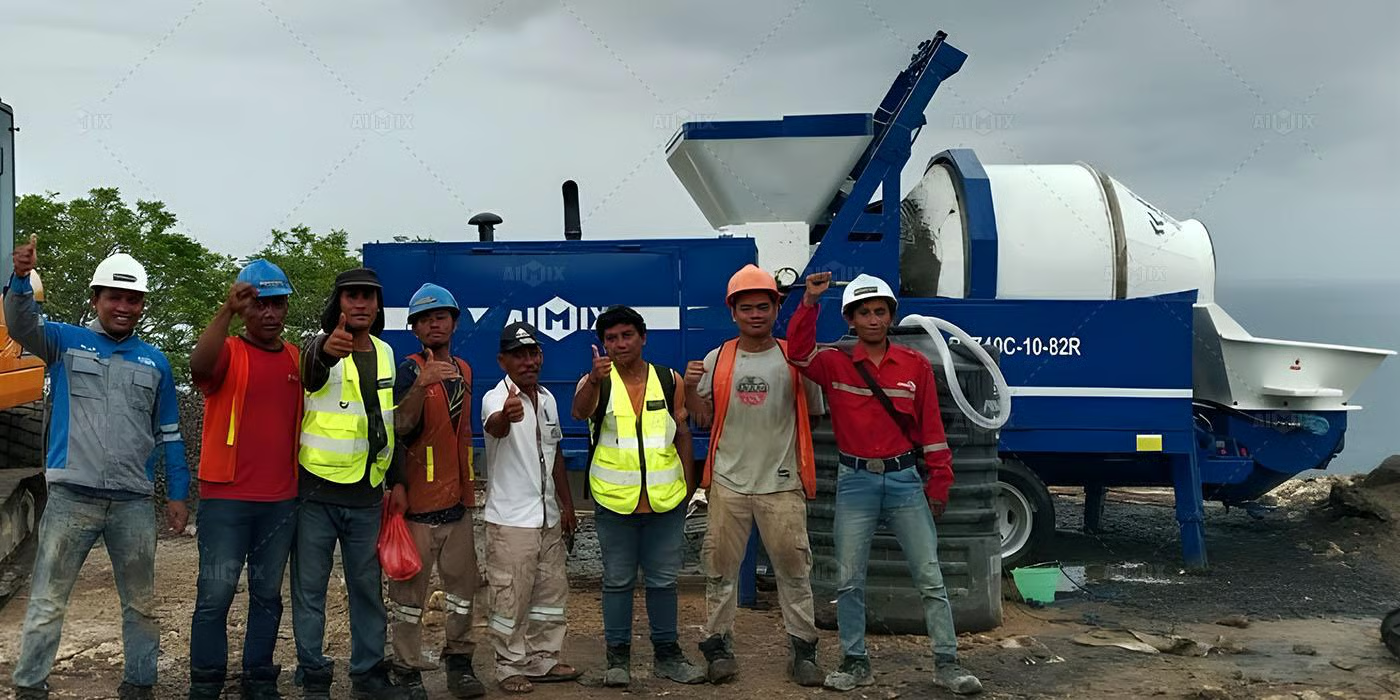
Why Continuous Slab Pouring Matters in Indonesian Projects
Before talking about machines, it helps to understand the job itself. In Indonesia, many building projects face tight schedules, unpredictable weather, and limited site space. Because of these factors, contractors prefer to finish slab pouring in one go whenever possible.
Continuous pouring improves structural quality. It reduces cold joints. It also keeps surface levels more consistent. More importantly, it saves time and labor. When you pour without long stops, you avoid rework and extra finishing costs.
However, this goal creates a new challenge. You need stable concrete supply and steady pumping speed. That is where equipment choice becomes critical. So, the next question is simple and practical: what role does a 40 m³/h concrete mixer pump play here?
What a 40 m³/h Concrete Mixer Pump Really Means on Site
To understand its value, let’s first clarify the number. A 40 m³/h concrete pump Indonesia means the machine can theoretically deliver up to 40 cubic meters of concrete per hour. In real job sites, output depends on many factors. These include mix design, operator skill, pumping distance, and site layout.
Even so, in normal working conditions, a well-matched 40 m³/h unit can keep a very stable rhythm. For slab projects, this rhythm matters more than peak speed. You do not need short bursts of very high output. Instead, you need smooth, continuous feeding and pumping.
That is why many contractors see this capacity as a “sweet spot.” It is strong enough for medium to large slabs. At the same time, it stays easy to transport, set up, and operate on Indonesian job sites.
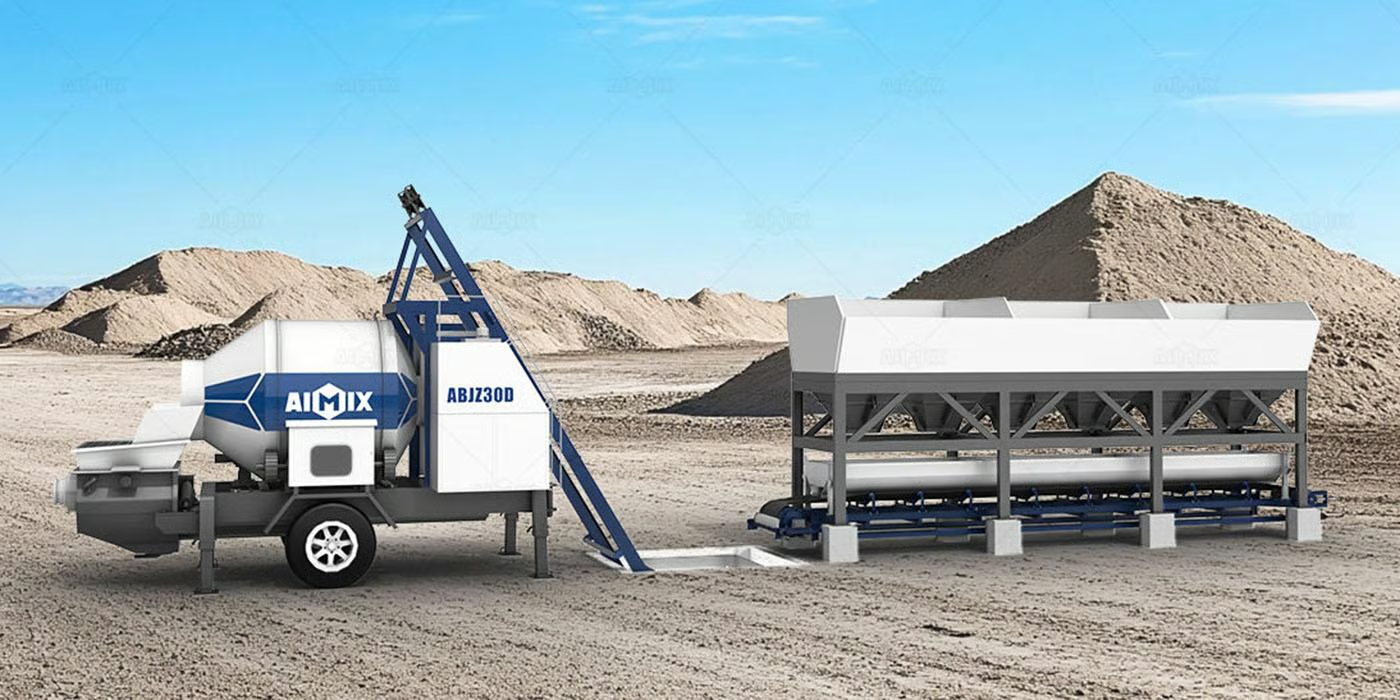
How a 40 m³/h Mixer Pump Supports Continuous Pouring
Now let’s connect capacity with real workflow. Continuous slab pouring depends on three key steps: mixing, feeding, and pumping. A concrete mixer pump combines all three into one system. This already removes one major bottleneck.
First, the built-in mixer keeps concrete supply consistent. You do not wait for external trucks every few minutes. Instead, you control the rhythm on site. Second, the pumping system moves concrete directly to the pouring area. This reduces manual handling and material loss.
As a result, the whole team works in a smoother loop. Workers place and vibrate concrete while the machine keeps feeding. Because the output stays stable, you avoid sudden stops. And because stops disappear, cold joints become less likely.
In practice, many Indonesian contractors use a 40 m³/h unit to pour floor slabs for residential buildings, small commercial blocks, and factory floors. In these cases, one machine often matches the daily target very well.
What Site Conditions in Indonesia You Should Consider
However, no machine works alone. Site conditions in Indonesia can change from project to project. Therefore, it makes sense to look at a few real factors before you decide.
First, think about space. Many urban projects have tight access roads and limited staging areas. A 40 m³/h diesel concrete mixer with pump usually fits these sites better than larger systems. It needs less space and simpler setup.
Second, think about material supply. Continuous pouring only works if sand, aggregate, cement, and water arrive on time. If your supply chain stays stable, the machine can do its job without interruption.
Third, think about weather. Sudden rain or high heat can affect concrete work in Indonesia. A stable, predictable pumping speed helps your team react faster and keep quality under control.
When you connect these points, you see a clear pattern. The 40 m³/h class does not just offer capacity. It offers balance between power, flexibility, and control.
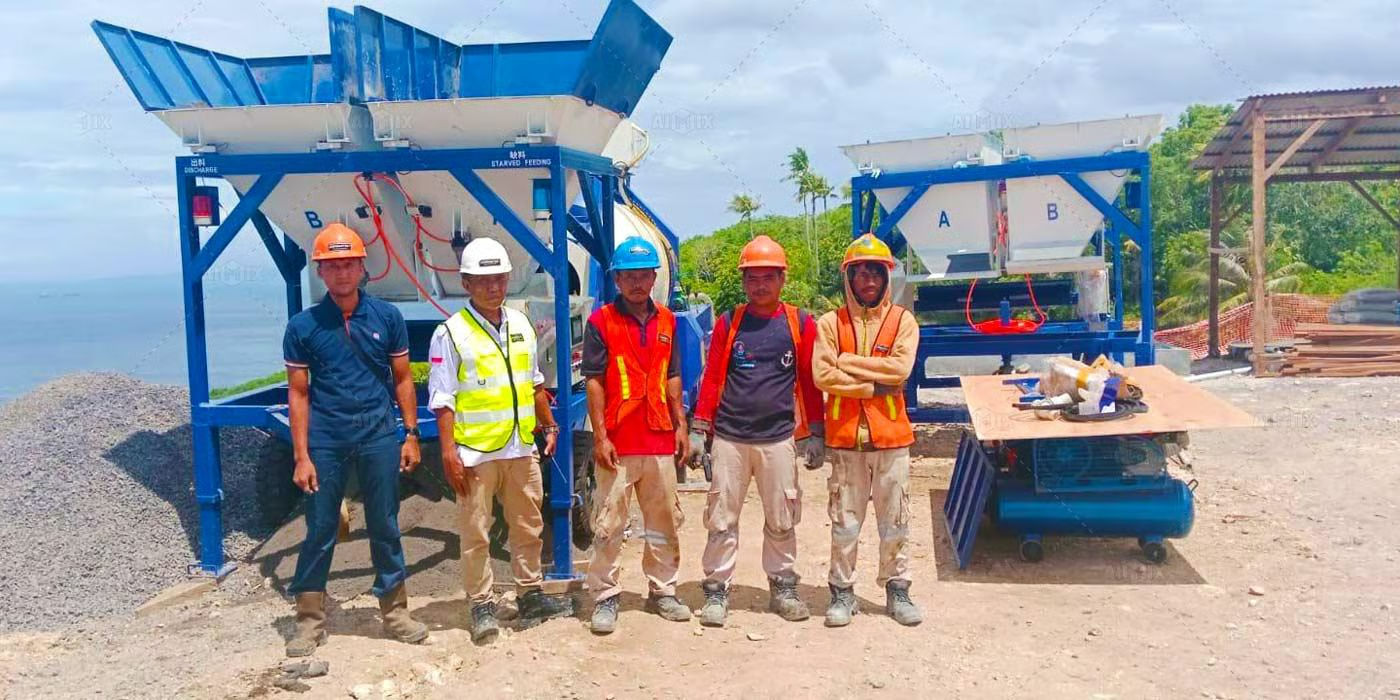
Is 40 m³/h Enough for Your Slab Size?
This is the question most project managers ask. The answer depends on slab area, thickness, and working hours. Let’s look at a simple example.
If you plan to pour 200 cubic meters in one day, a 40 m³/h machine can theoretically finish in about five hours of pure pumping time. In reality, you should add time for setup, movement, and finishing. Even then, you still stay within a normal working shift.
For many low-rise and mid-rise projects in Indonesia, this capacity fits very well. It keeps the team busy without creating chaos on site. At the same time, it avoids the higher cost and complexity of very large pumping systems.
So, instead of asking only “Is it enough?”, a better question is “Is it efficient for my project size?” In most medium-scale slab jobs, the answer is yes.
Cost, Efficiency, and Long-Term Value
From a business point of view, equipment choice is never just about technical performance. You also care about cost, fuel consumption, maintenance, and resale value.
A 40 m³/h concrete mixer pump usually sits in a very reasonable investment range. It costs less than high-capacity systems. It also uses less fuel and simpler wear parts. Over time, this reduces your operating cost per cubic meter.
More importantly, this type of machine often works on many different projects. Today it pours slabs. Next month it handles beams, columns, or small foundations. This flexibility improves your equipment utilization rate, which directly improves your return on investment.
In other words, you do not just buy capacity. You buy a tool that fits many jobs in the Indonesian construction market.
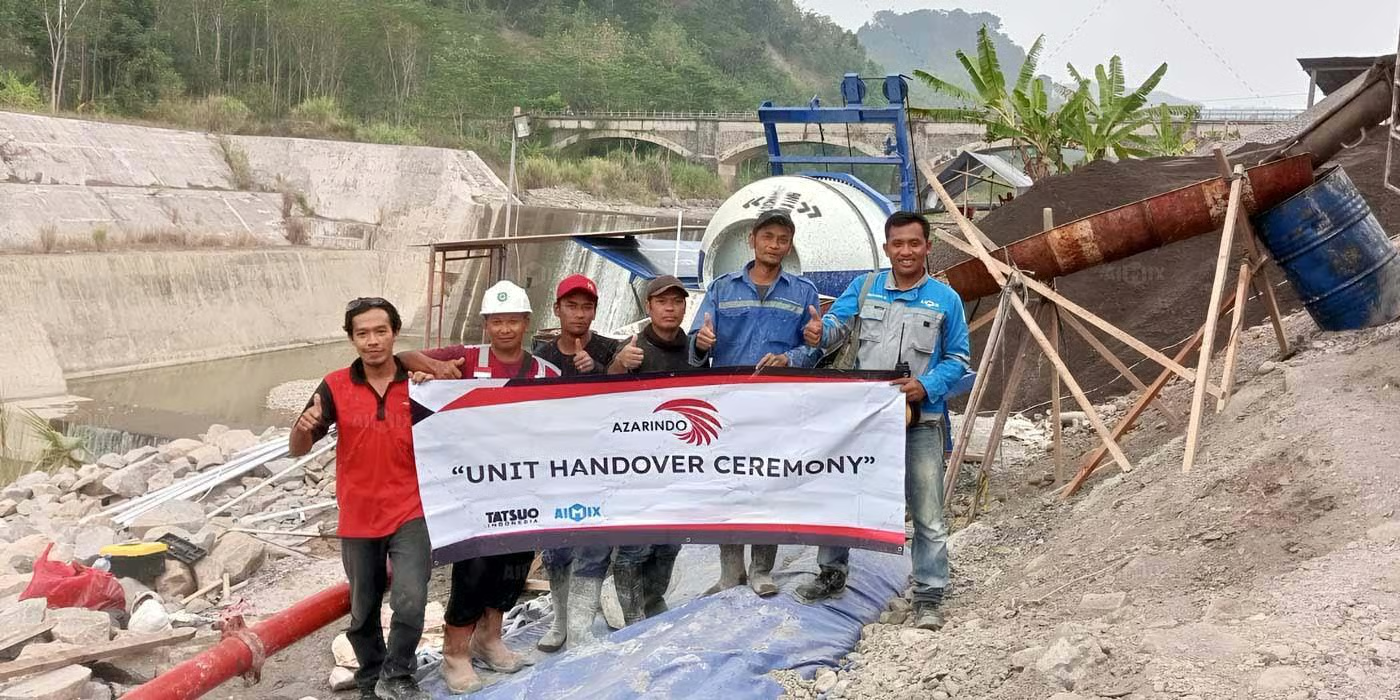
How to Make Sure You Get the Best Result on Site
Even the right machine needs the right setup. To get the best result from a 40 m³/h mixer pump, you should focus on three simple points.
First, train your operators well. Smooth operation keeps output stable and reduces breakdown risk. Second, plan your material supply carefully. Continuous pouring only works when materials never stop. Third, maintain the machine on schedule. Small checks prevent big delays.
When you combine good equipment with good management, continuous slab pouring becomes much easier and more predictable.
Final Thoughts: Is It the Right Choice for Your Project?
So, can a 40 m³/h concrete mixer pump support continuous slab pouring in Indonesia? In most medium-scale projects, the answer is clearly yes. It offers the right balance between capacity, flexibility, and cost. It fits local site conditions. It supports stable, uninterrupted work.
More importantly, it helps contractors keep promises to their clients: better quality, faster schedules, and smoother site management.
If you are planning your next slab project and want a reliable, efficient solution, now is the right time to look closer at a 40 m³/h concrete mixer pump. Choose the right model, match it to your site, and let your team pour with confidence. A smarter equipment choice today can make your next project faster, cleaner, and more profitable.
Articles similaires

What Is The Best Mobile Crushing Plant Solution For Remote Island Projects In Indonesia?
Remote island projects in Indonesia face high logistics and material challenges. Learn the best mobile crushing plant solutions for efficient on-site aggregate production, lower costs, and reliable performance in remote and difficult conditions.


