Discover how a 3.5 m³ self loading concrete mixer can replace manual slab casting for low-rise apartments in Indonesia. Improve productivity, ensure consistent concrete quality, and reduce labor costs with AIMIX solutions.
Can a 3.5 m³ Self Loading Concrete Mixer Replace Manual Slab Casting for Low-Rise Apartments in Indonesia?
In many parts of Indonesia, low-rise apartment projects still rely on manual slab casting. Workers mix concrete on site, move it by wheelbarrow, and pour it section by section. At first glance, this method looks cheap and flexible. However, as labor costs rise and schedules become tighter, many contractors start to ask a critical question: can a 3.5 m³ self loading concrete mixer really replace manual slab casting?
This article looks at the issue from a real construction perspective. We focus on productivity, cost control, quality, and site conditions in Indonesia. Step by step, we explore whether a self loading concrete mixer is a practical upgrade rather than a risky change.
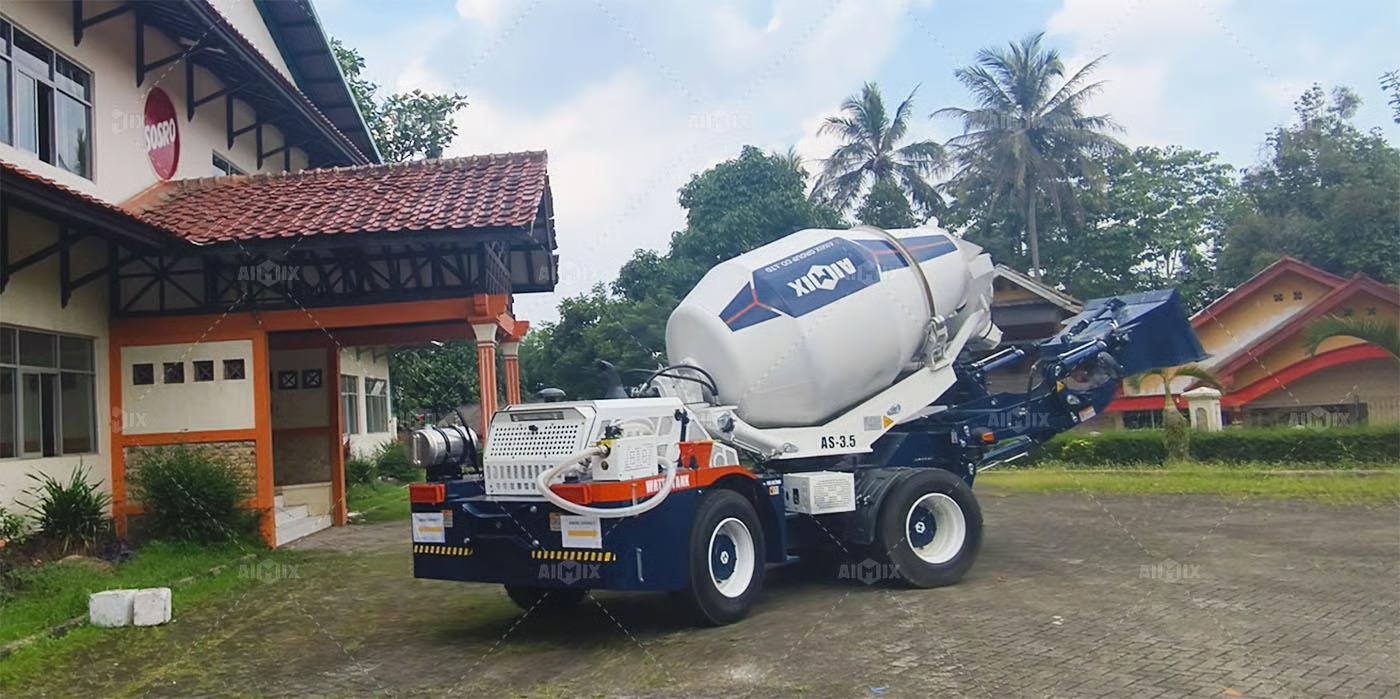
Understanding the Reality of Manual Slab Casting in Indonesia
Before discussing machines, we need to understand the current situation. Manual slab casting remains popular for small and medium low-rise apartments, especially outside major cities. Contractors choose it because it requires low initial investment and simple tools.
However, this approach brings hidden problems. Mixing quality depends heavily on worker experience. Output changes every day. Labor availability becomes unpredictable during peak seasons or holidays. As a result, project timelines often slip.
Because of these challenges, many contractors now look for a more stable solution. This naturally leads to interest in compact self loading concrete mixers.
What a 3.5 m³ Self Loading Concrete Mixer Actually Delivers
To evaluate replacement potential, we must first clarify real output. A 3.5 m³ self loading concrete mixer produces 3.5 m³ per batch. Under normal site conditions, it completes about four batches per hour. Therefore, hourly output reaches approximately 14 m³ per hour.
This capacity already exceeds most manual slab casting teams. More importantly, output stays consistent. The mixer loads aggregates, adds water, mixes, and discharges in one integrated cycle.
With this baseline in mind, we can now compare performance more clearly.
Stable Output Changes Daily Planning
Manual teams often plan by manpower. In contrast, a self loading mixer allows planning by volume. Contractors know how much concrete they can pour each hour and each day. As a result, slab casting becomes more predictable.
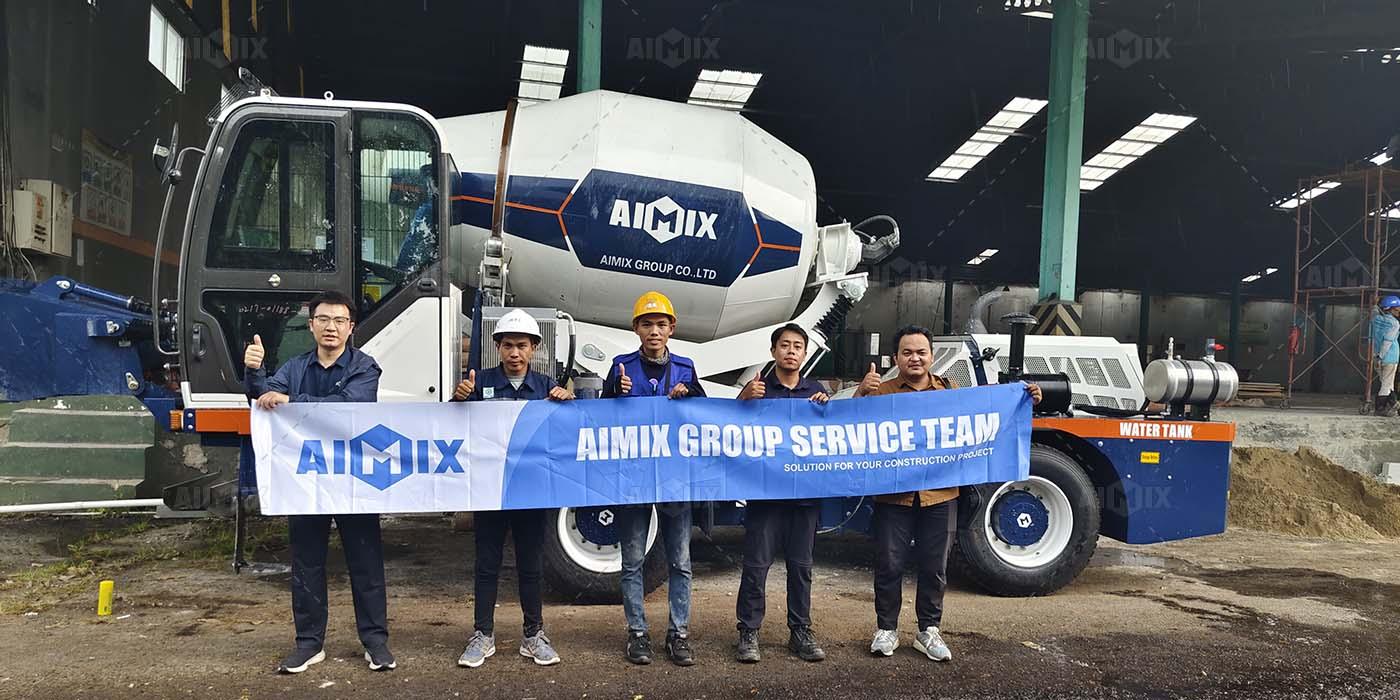
Productivity Comparison: Manual Labor vs Self Loading Mixer
Productivity is the first deciding factor for most project managers. A typical manual slab casting crew may produce 6–8 m³ per hour under good conditions. Fatigue, weather, or material delays quickly reduce this number.
In comparison, a 3.5 m³ self load concrete mixer for sale maintains around 14 m³ per hour. Even with short pauses, daily output remains higher. This difference shortens slab casting cycles and reduces waiting time for formwork and reinforcement teams.
Because faster slabs mean faster floors, the entire project timeline benefits. This explains why many low-rise apartment builders now rethink their old methods.
Cost Perspective: Initial Price vs Long-Term Savings
At first, manual casting seems cheaper. There is no machine purchase, and wages appear manageable. However, this view changes when projects last several months.
Labor costs accumulate every day. Overtime becomes common when schedules slip. Rework also increases costs when concrete quality varies.
A self loading concrete mixer reduces labor dependence. One operator and a small support team can replace many workers. Fuel and maintenance costs remain predictable. Over time, the cost per cubic meter often drops.
Therefore, the mixer does not just replace labor. It reshapes cost structure and financial control.
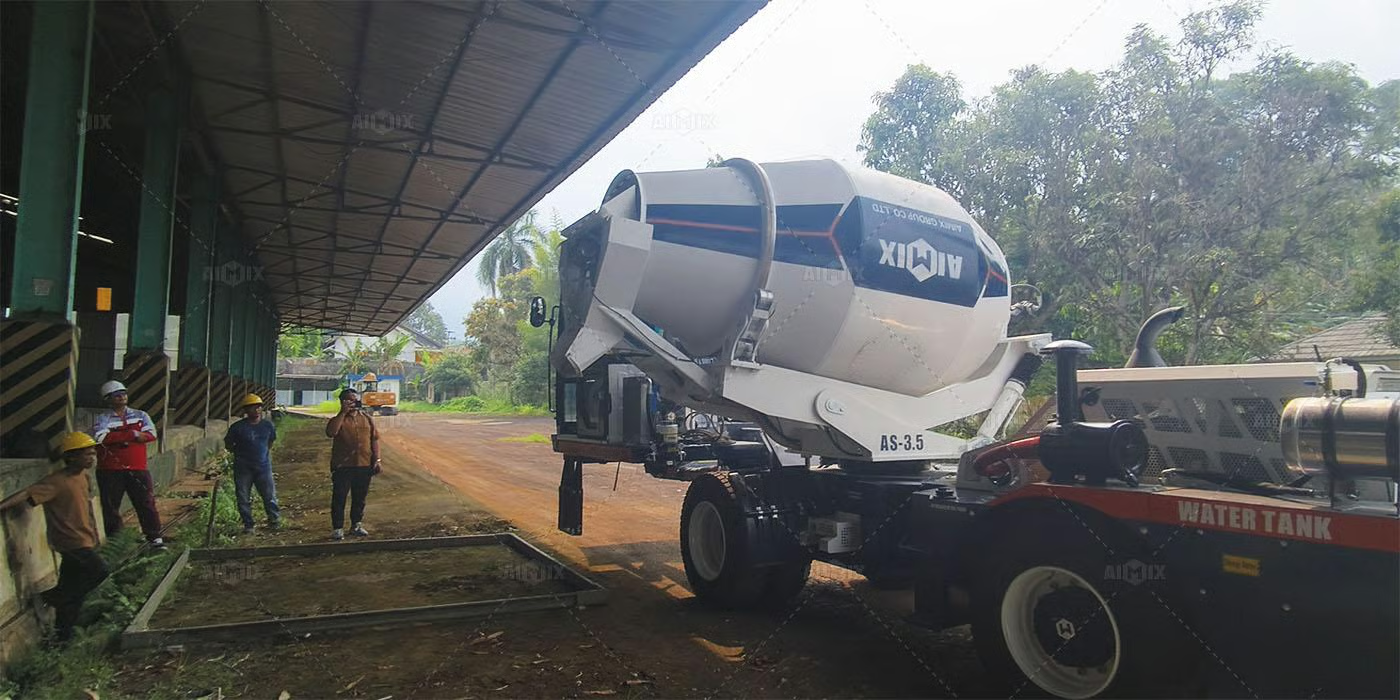
Concrete Quality and Structural Consistency
Quality matters even more than speed. Manual mixing often creates uneven ratios. Water content changes with worker judgment. These variations affect slab strength.
In contrast, a self loading concrete mixer uses measured loading and controlled mixing time. Each batch stays consistent. This consistency improves compressive strength and reduces cracks.
For low-rise apartments, this reliability increases buyer confidence and reduces future maintenance risks.
Site Conditions: Why Self Loading Mixers Fit Indonesian Projects
Some contractors worry about access and space. However, 3.5 m³ self loading concrete mixers are designed for tight sites. They combine loader, mixer, and transporter in one unit.
They move easily on narrow roads and uneven ground. They also work well in areas without stable power supply or nearby batching plants.
Because many Indonesian projects face exactly these conditions, the machine fits naturally into local workflows.
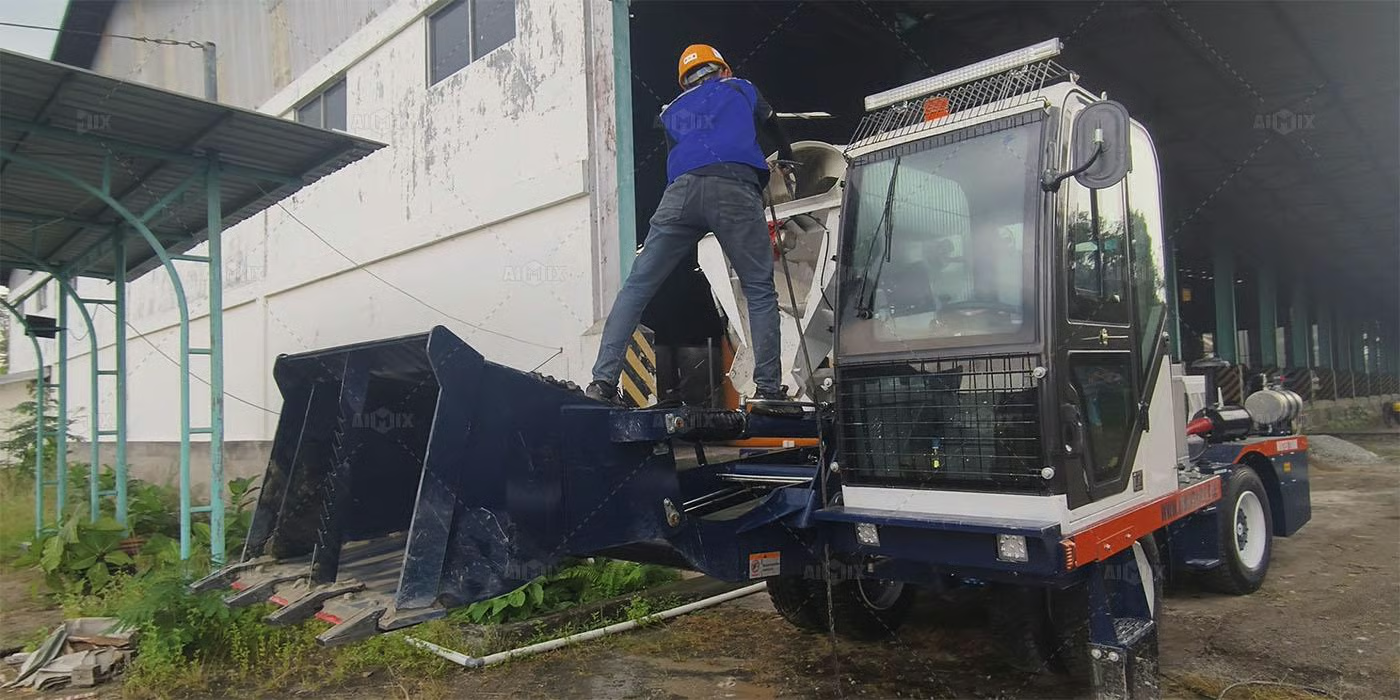
From Partial Replacement to Full Transition
Many contractors do not switch overnight. They first use a self loading mixer for slabs while keeping manual work for small pours. Over time, they notice better efficiency and lower stress.
Gradually, the mixer becomes the core concrete solution on site. Manual labor shifts to support roles rather than heavy mixing tasks.
This step-by-step transition reduces risk and builds confidence.
Why More Indonesian Contractors Choose AIMIX
At this stage, equipment quality and support become critical. AIMIX self loading concrete mixers are designed for tropical conditions and intensive use. Each model clearly defines output: *m³ per batch multiplied by four equals hourly capacity.
AIMIX also provides technical guidance, spare parts support, and real project experience in Indonesia. This combination helps contractors move from manual slab casting to mechanized efficiency with confidence.
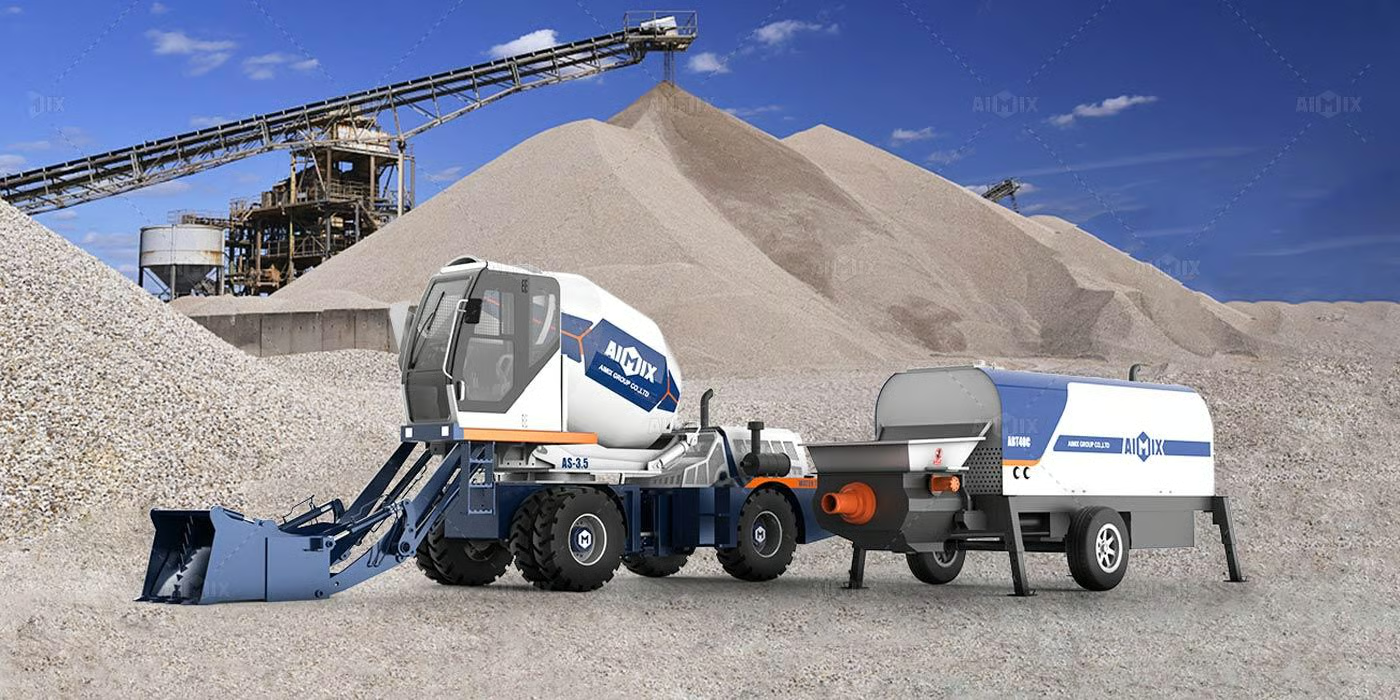
Final Call: Rethink Slab Casting for Your Next Project
So, can a 3.5 m³ self loading concrete mixer replace manual slab casting for low-rise apartments in Indonesia? In most cases, the answer is yes. It improves productivity, stabilizes quality, and controls long-term costs.
If you plan your next apartment project and want faster slabs with fewer headaches, now is the time to reconsider your method. Contact AIMIX to explore how a 3.5 m³ self loading concrete mixer can fit your site, your budget, and your construction goals.
self loading concrete mixer Indonesia
Articles similaires

What Is The Best Mobile Crushing Plant Solution For Remote Island Projects In Indonesia?
Remote island projects in Indonesia face high logistics and material challenges. Learn the best mobile crushing plant solutions for efficient on-site aggregate production, lower costs, and reliable performance in remote and difficult conditions.


