Discover whether a 100 TPH asphalt mixing plant is suitable for both highway construction and village road repair projects. Learn about its capacity, flexibility, and benefits for different road works.
Can a 100 TPH Asphalt Mixing Plant Handle Both Highways and Village Road Repair Works?
When contractors plan to invest in an asphalt mixing plant, one of the most common questions is whether a 100 TPH (tons per hour) pabrik aspal can meet the needs of both large highway projects and small village road repairs. The answer depends on project scale, production demand, and the flexibility required on-site. In this article, I will explain how a 100 TPH asphalt plant performs across different scenarios and why it could be a smart choice for many contractors in Indonesia.
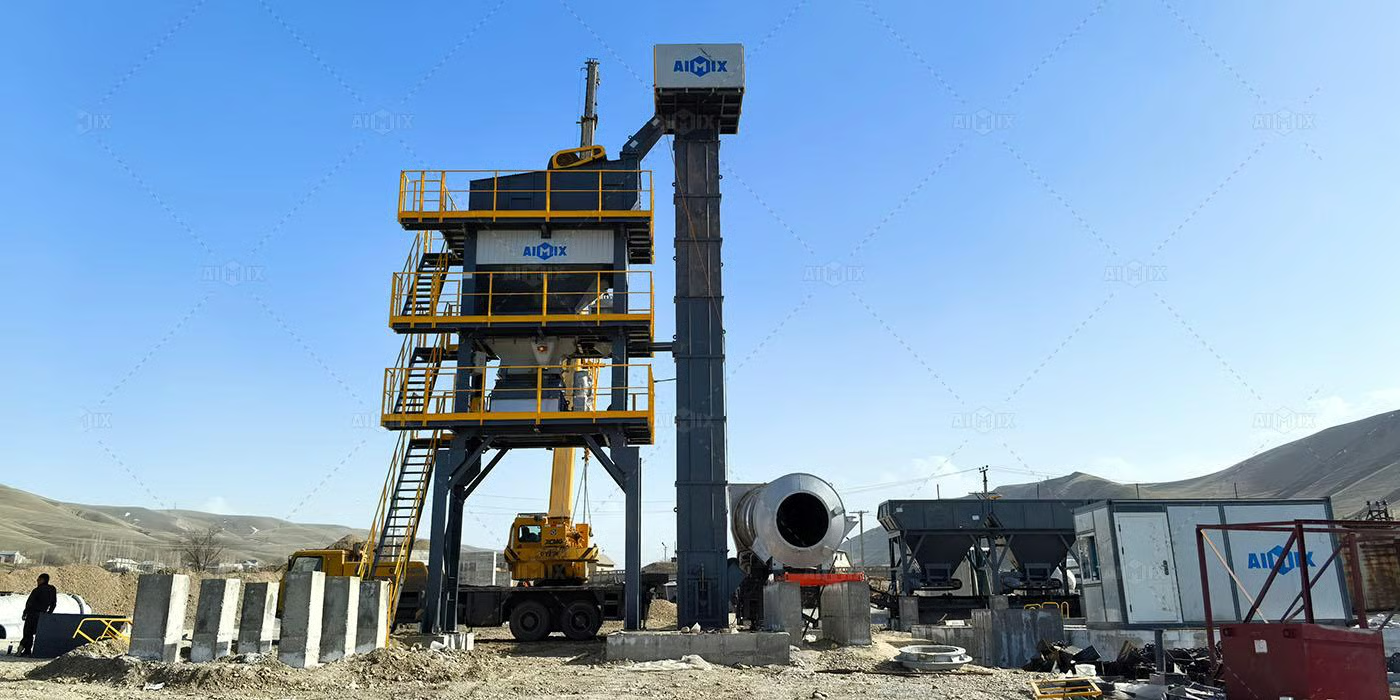
Understanding the Capacity of a 100 TPH Asphalt Mixing Plant
A 100 TPH asphalt mixing plant can produce about 100 tons of asphalt per hour. For context, this means it can supply enough asphalt to pave roughly 800–1,000 square meters of road in one hour, depending on thickness. For highway construction, where continuous and large-scale supply is important, this capacity falls into the medium range. For village road repairs, which usually require smaller batches, it is more than sufficient. Therefore, this plant size balances between efficiency and flexibility.
Performance on Highway Construction Projects
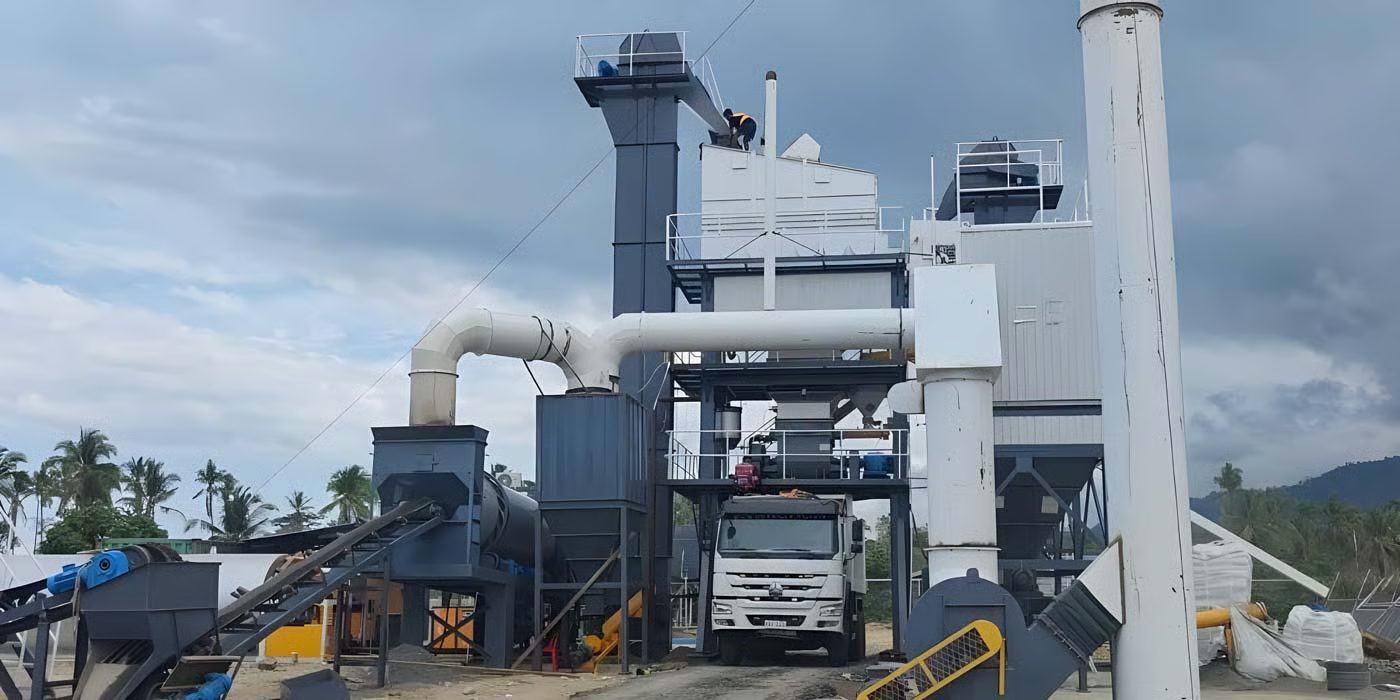
Highway projects demand consistency and reliability. Asphalt needs to be produced continuously and delivered on time to avoid delays. A 100 TPH asphalt hot mix plant can handle medium-scale highway projects effectively, especially when contractors do not need to pave many kilometers in one day. For very large expressways, bigger plants like 160 TPH or 240 TPH are often chosen, but a 100 TPH unit still fits well for regional highways and national roads. It allows contractors to maintain stable production without overinvesting in oversized equipment.
Performance on Village and Rural Road Repairs
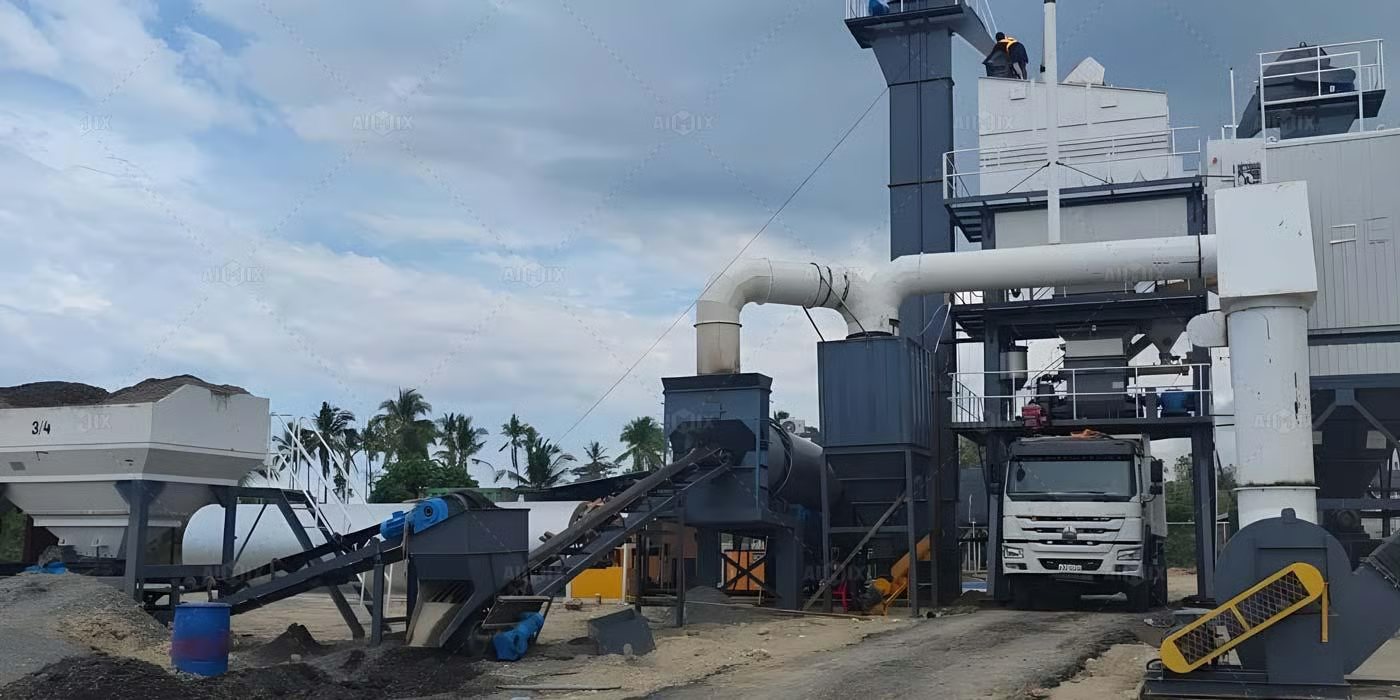
In contrast, village road repairs require flexibility more than capacity. Projects are smaller, the asphalt demand is lower, and work often happens in scattered areas. A 100 TPH plant can easily adjust to such needs. Contractors can run it at partial load to save fuel and reduce wear, while still having the capacity ready for bigger projects. This flexibility makes it ideal for local governments and contractors handling mixed projects in both rural and urban areas.
Balancing Both Highway and Village Projects
Because of these strengths, a 100 TPH asphalt plant works well when contractors face diverse job types. Instead of buying two different plants, one for large highways and another for small roads, a single 100 TPH unit can cover both. This reduces investment, simplifies maintenance, and increases return on equipment. Moreover, the plant can be designed as mobile or stationary, giving contractors more control over how they deliver asphalt in different locations.
Cost Efficiency and Practical Considerations
Contractors often look not only at capacity but also at overall cost efficiency. A 100 TPH plant consumes less fuel than larger plants, yet still provides enough production to meet most project requirements. It also requires fewer operators and simpler logistics. This balance helps contractors lower operating costs while keeping project deadlines under control. In addition, if demand increases in the future, the plant can still handle expansion within reasonable limits.
Is 100 TPH the Right Choice for You?
Choosing the right asphalt plant is not only about capacity but also about project type, budget, and long-term strategy. If your work mainly involves highway projects with very high daily output, a larger plant may suit you better. However, if your projects include a mix of highways, local roads, and village repairs, a 100 TPH stationary or mobile asphalt mixing plant offers a flexible and practical solution. It provides enough production for big jobs while remaining efficient for smaller works.
Conclusion: Invest in the Plant That Matches Your Projects
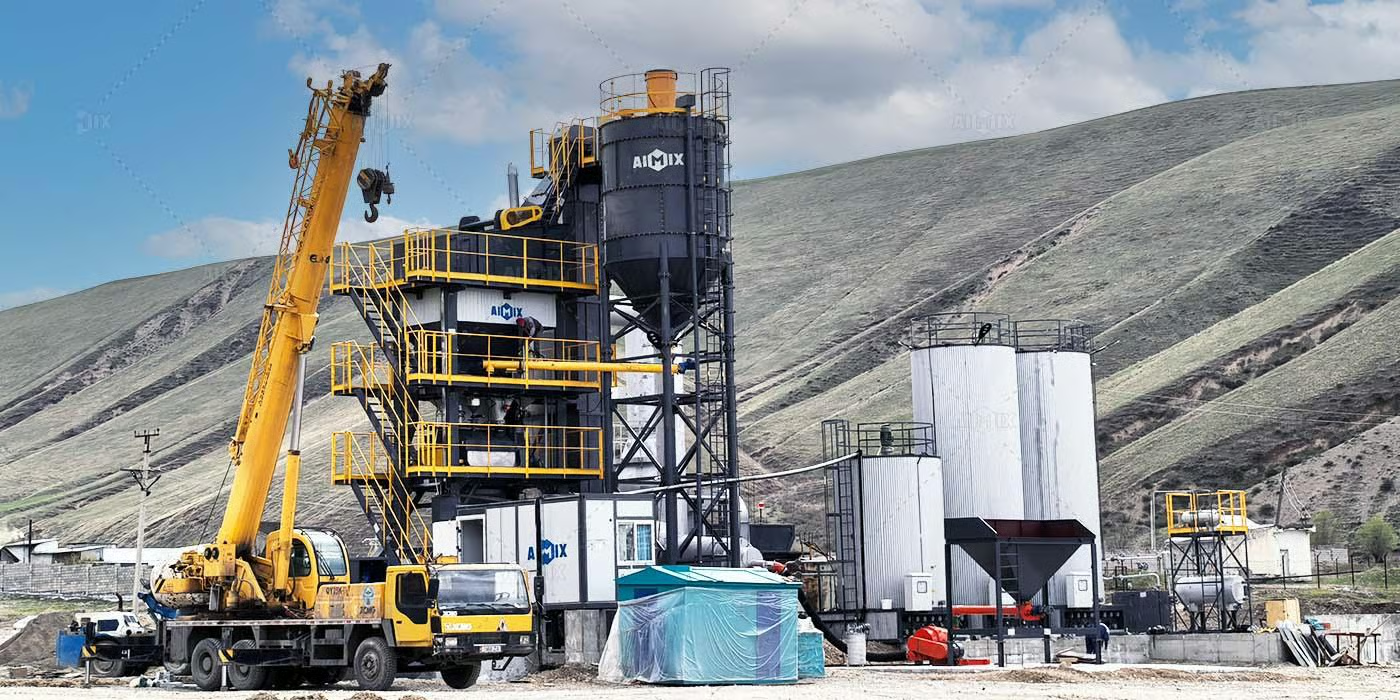
To sum up, a 100 TPH asphalt mixing plant can handle both highway construction and village road repair works. It gives contractors flexibility, reliable output, and cost efficiency, making it a versatile choice for the Indonesian market. If you want to learn more about whether this plant fits your projects, feel free to reach out to us. Our team can guide you through technical details, customization options, and real project cases to ensure you make the right investment.
Contact Us Today
If you are planning to set up an asphalt mixing plant in Indonesia, we can provide solutions tailored to your needs. Get in touch with us now to discuss your project and explore how a 100 TPH asphalt plant can support both your highway and village road construction goals.
Indonesia Asphalt Mixing Plant
Articles similaires

What Is The Best Mobile Crushing Plant Solution For Remote Island Projects In Indonesia?
Remote island projects in Indonesia face high logistics and material challenges. Learn the best mobile crushing plant solutions for efficient on-site aggregate production, lower costs, and reliable performance in remote and difficult conditions.


